Is Zucchini And Squash The Same Thing

There’s something genuinely fun about wandering through a farmer’s market in the summer, spotting all those glossy green and yellow gems piled high on wooden crates. You see z...
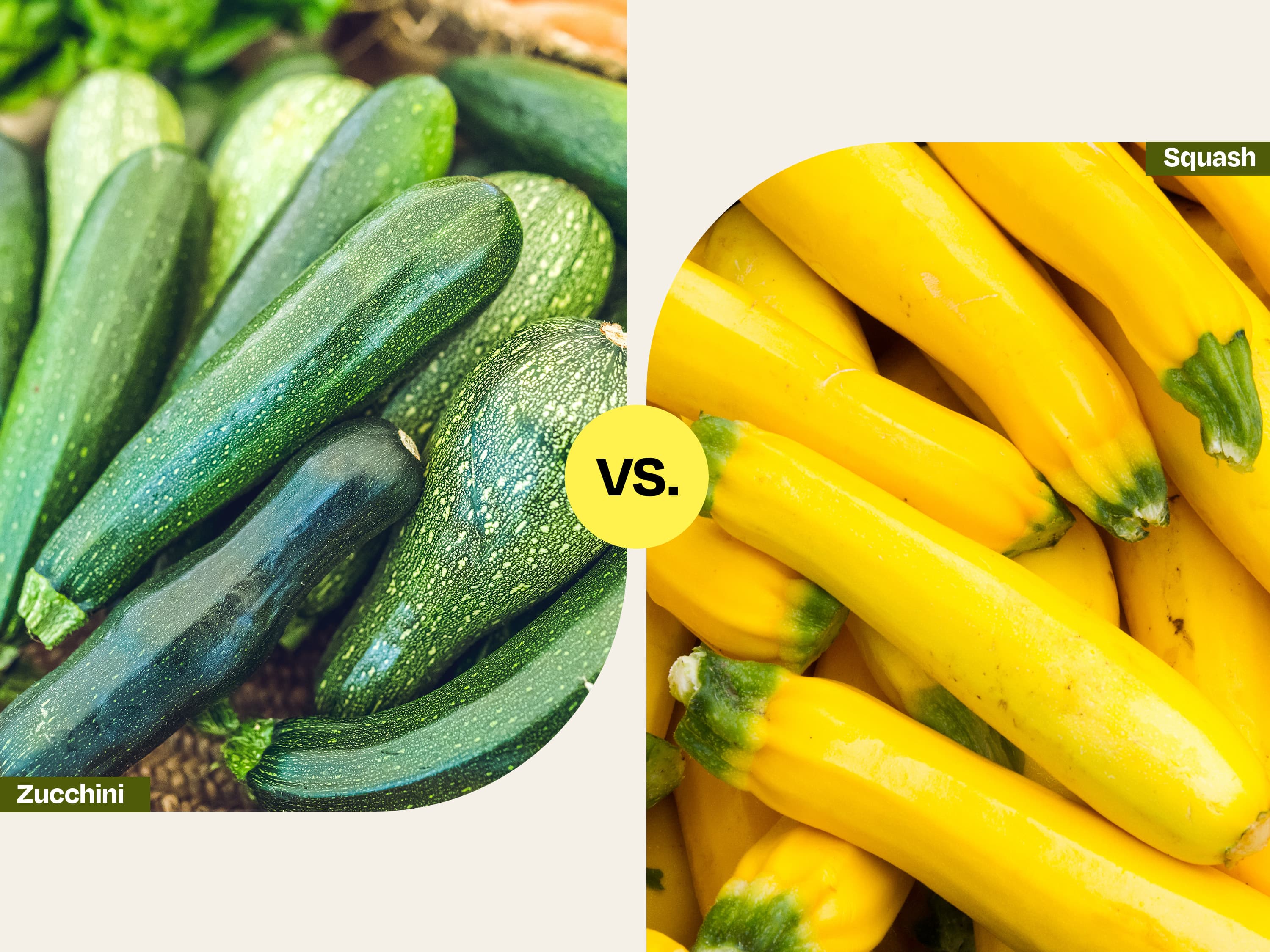
There’s something genuinely fun about wandering through a farmer’s market in the summer, spotting all those glossy green and yellow gems piled high on wooden crates. You see zucchini and yellow squash sitting side by side, and the question bubbles up naturally: are they the same thing? This topic is so enjoyable because it’s not just a technical botany lesson—it’s a practical kitchen riddle that almost anyone who loves fresh produce can appreciate. Whether you’re a home cook trying to nail a recipe, a gardener harvesting your own bounty, or just someone who wants to eat more veggies, untangling this little mystery brings clarity and confidence.
The main purpose of understanding the difference is simple: it helps you cook better and waste less food. If you know that zucchini and yellow squash are basically interchangeable in many dishes, you can swap them freely without worrying about ruining a recipe. That’s a huge benefit for busy weeknights when you only have one type in the fridge. It also saves money and time—no more buying a specific variety just because a recipe demands it when the other works just as well. For gardeners, knowing they’re cousins (not strangers) means you can plant either with similar care and still get a delicious harvest.
So, are they the same? Technically, no—they are different cultivars of the same species, Cucurbita pepo. Zucchini is usually a dark green, cylindrical squash, while yellow squash (often called summer squash) comes in a bright yellow shade and may have a slightly bulbous bottom or a straight neck. But here’s the kicker: they taste nearly identical, with a mild, slightly sweet flesh and a tender skin. The main difference is texture: yellow squash can be a bit more watery and tender, while zucchini holds its shape a little better when cooked. That said, in a stir-fry, frittata, or roasted medley, most people wouldn’t tell them apart blindfolded.
Must Read
Common variations you’ll see at the store or farmer’s market include green zucchini (the classic), golden zucchini (a yellow version of the same plant), crookneck squash (a curvy yellow type with a bumpy skin), and pattypan squash (a cute, scalloped shape in green or yellow). All of these belong to the summer squash family, meaning they have thin, edible skins and soft seeds. Unlike winter squashes like butternut or acorn, you don’t need to peel them—just give them a quick rinse and chop them up. That’s part of what makes them so easy and fast to use.
If you want to make the most of zucchini and squash, here are a few actionable tips that are simple enough for a Tuesday night. First, don’t peel them—the skin is packed with fiber and nutrients, and it adds nice color. Second, salt them lightly before sautéing to draw out excess moisture and prevent a soggy dish. Just sprinkle them, let them sit for 10 minutes, then pat dry. Third, try them raw in salads—shred or ribbon them with a vegetable peeler for a crunchy, fresh element. For a quick dinner, toss diced zucchini and yellow squash with olive oil, garlic, and herbs, then roast at 425°F for 15 minutes. It’s practically foolproof.
 Is Green Squash And Zucchini The Same? - 🌱 Grower Today
Maybe the best tip is this: use them interchangeably unless your recipe explicitly calls for a specific texture. For example, yellow squash tends to break down a bit more in soups and stews, so zucchini is a better choice for grilling or sautéing if you want distinct pieces. But for a simple summer side dish, grab whatever is in your crisper or on sale. The flavor difference is minimal, and you’ll save yourself a trip to the store. Also, both are excellent for spiralizing into “zoodles”—they make a wonderful low-carb pasta alternative.
In the end, this little vegetable mystery is a reminder that cooking doesn’t have to be complicated. A little knowledge goes a long way: zucchini and yellow squash are not identical, but they are best friends in the kitchen. So next time you’re at the market, feel free to mix and match. Embrace the subtle differences—the green versus the yellow, the straight versus the curved—and enjoy the fact that both bring a sunny, mild flavor to your plate. That’s the real win: not worrying about perfection, but savoring the easy, delicious results.
:max_bytes(150000):strip_icc()/Simply-Recipes-Summer-Squash-Guide--LEAD-09_Labelled-5f1f2383895f476c831f043845bd0bff.jpg)
