Is Width The Same As Diameter

So, you’re standing in the hardware aisle, holding a pipe and a measuring tape, and a tiny, existential dread creeps in. “Is width the same as diameter?” you whisper to no one...

So, you’re standing in the hardware aisle, holding a pipe and a measuring tape, and a tiny, existential dread creeps in. “Is width the same as diameter?” you whisper to no one. The fluorescent lights hum. A stranger sneezes. The pipe feels heavier. Friend, I have been there. Let’s grab a coffee (or a crescent wrench) and sort this out.
First, the quick answer: No. They are not the same thing—but they are beautifully, confusingly related. Think of it this way: All diameters are widths, but not all widths are diameters. Mind blown? Let me un-mind-blow it with a slice of pizza.
Imagine you have a perfect, hot, gooey cheese pizza. The diameter is that magic straight line that cuts right through the center—from crust edge to crust edge—passing through the dead-center point. It’s the longest possible line you can draw across that circle. Now, the width is… well, it’s also a straight line from one edge to another, but it doesn’t have to go through the center. You can draw a width line anywhere across that pizza—closer to the edge, a little off-center. That line is still a “width,” but it’s shorter than the diameter. So: diameter is the king of widths for a circle. The widest width. The CEO of widths.
Must Read
Here’s where the confusion really bubbles up like a bad science fair volcano: people use “width” for everything that isn’t a circle. A rectangle? You measure its width across the short side (or the long side, depending on your perspective—designers love to argue about this). A table? Its width is between the two long sides. But diameter is a snob. It only hangs out with circles and spheres. A circle’s width is its diameter, yes, but only because circles are perfectly symmetrical. If you try to talk about the “diameter” of a rectangle, geometry teachers will appear in a puff of chalk dust to correct you. Don’t do it.
Let’s test this in real life. You buy a new frying pan. The box says “12-inch diameter.” You measure the pan across its top—from rim to rim, through the center. That’s the diameter. But if you only measured half the pan, or a wonky angle? That’s just a width, and you’d get a weird number. Now, what about a garden hose? You ask for a “1-inch wide hose.” The salesperson gives you a look. Why? Because hoses are cylindrical, so you need the diameter of the opening. Saying “width” is too vague—it could mean the hose’s squishy flat width when you press it. Clarity demands “diameter” here.
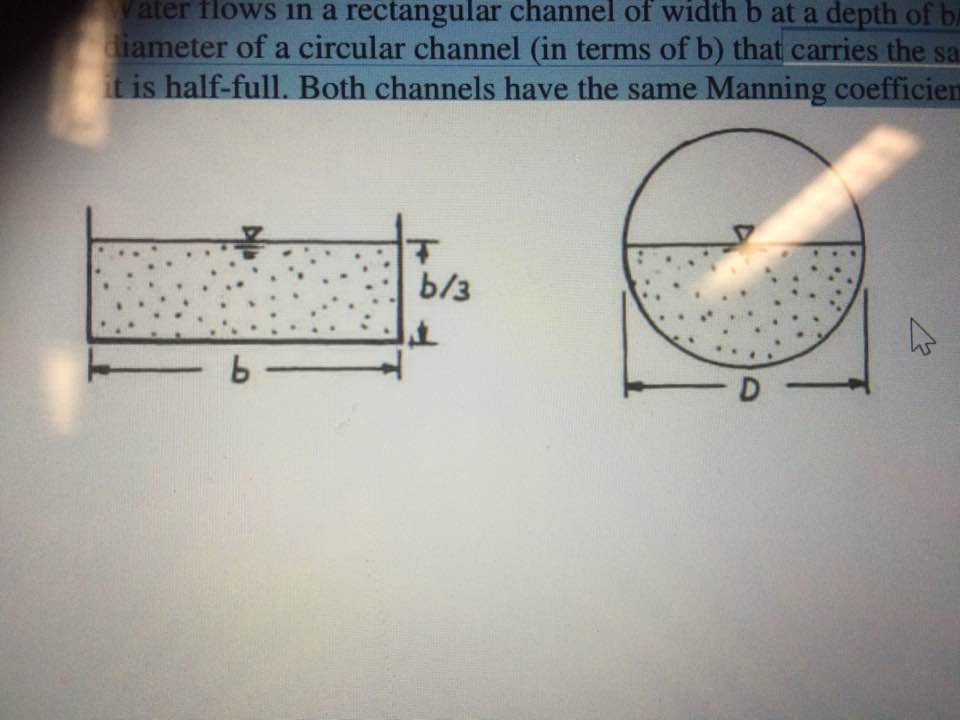 Is Width And Diameter The Same
Pro tip from a reformed confusion-sufferer: If you’re talking about anything round or spherical (pizza, planets, pipes, cookie cutters), use diameter. It’s the only word that guarantees you’re measuring through the center. For everything else (books, doors, your couch, your pet’s neck), use width. And if you’re ever in doubt? Just say “across.” As in, “How across is this thing?” It’s the cheat code of spatial confusion.
But wait, I hear you typing into the void, what about when someone says “width” for a circle? Are they wrong? Technically, no—but they’re being a little sloppy, like wearing socks with sandals. It works, but it’s not elegant. Use diameter for circles. Be the elegant person in the room. The one who doesn’t trigger geometry teachers.
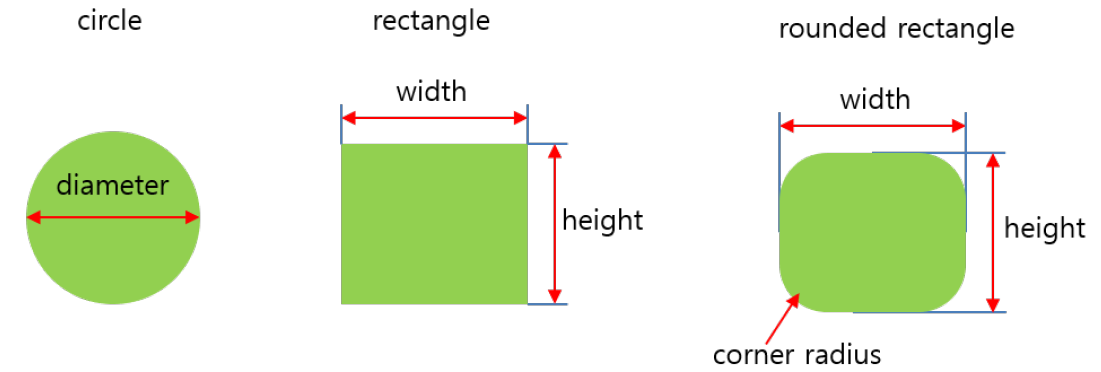 Size Dimension
So, next time you’re in that aisle, hold your head high. You now know that width is the generalist—the friendly, flexible term for any crosswise measurement. Diameter is the specialist—the precise, center-seeking artist of the circle world. They’re cousins, not twins. And that’s a beautiful thing.
Here’s the uplifting part: Life is full of widths. We measure our days by their breadth, not by their perfect circular centers. But every now and then—when you find a true friend, or a perfectly round pancake—you get to call it a diameter. A moment that cuts straight through the center of everything. So measure boldly, laugh at your mistakes, and remember: whether it’s width or diameter, you’re always going across. And that’s exactly where you need to be. Smile, you measurer of beautiful things.
