Is Whole Black Pepper The Same As Peppercorns

There’s something quietly satisfying about standing in the spice aisle, staring at a jar labeled “whole black pepper” and another labeled “peppercorns,” and wondering if you’r...
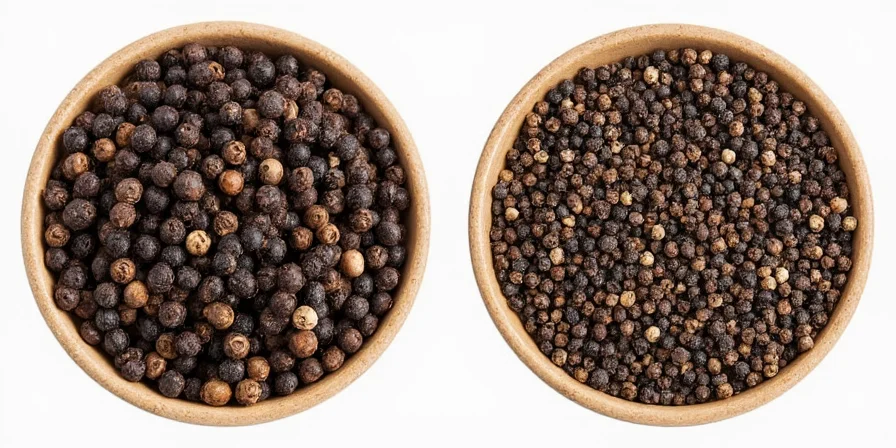
There’s something quietly satisfying about standing in the spice aisle, staring at a jar labeled “whole black pepper” and another labeled “peppercorns,” and wondering if you’re about to make a costly mistake. This is the kind of question that makes cooking enjoyable—a small, practical mystery that, once solved, makes your kitchen life immeasurably easier. The good news? For most of us, the answer is delightfully simple, and it unlocks a world of fresh, pungent flavor that pre-ground pepper can only dream of.
So, let’s cut to the chase: yes, whole black pepper is the same thing as peppercorns. The term “peppercorns” is the generic name for the dried, unground fruit of the Piper nigrum vine, and “whole black pepper” simply describes that same fruit in its whole form—as opposed to ground. When you buy a jar labeled “whole black pepper,” you are buying black peppercorns. The only real variation you might encounter is the source, such as Tellicherry, Malabar, or Lampong, which are names of growing regions that slightly alter the flavor profile (for example, Tellicherry peppercorns are often larger and more aromatic). But functionally, they are the same ingredient.
This clarity brings a practical benefit to everyone from the novice home cook to the seasoned chef. If a recipe calls for “10 peppercorns,” you can confidently use your “whole black pepper” jar. If it asks for a teaspoon of “whole black pepper,” you know to count out a teaspoon of peppercorns. The main purpose here is freshness: pepper’s volatile oils, which give it that sharp, woody heat, degrade quickly once ground. By keeping the peppercorns whole, you preserve that punch until the moment you crush them with a grinder, a mortar and pestle, or even a heavy pan.
Must Read
Common variations you’ll see on the shelf include black, white, and green peppercorns, and sometimes pink peppercorns (which are actually from a different plant, the Schinus molle tree). Black peppercorns are the most common—they’re harvested unripe and dried until the skin shrivels and darkens. White peppercorns are the same berry, but the outer skin is removed, giving a milder, earthier taste often used in light sauces. Green peppercorns are also the same berry, but they’re picked unripe and preserved fresh or brined, offering a fresher, almost grassy kick. So, while “whole black pepper” and “black peppercorns” are identical, do not assume any whole pepper is the same as a peppercorn if the label says “green” or “white.”
Getting started with whole peppercorns is one of the easiest upgrades you can make in the kitchen. Buy a simple pepper mill—even a cheap one is miles ahead of the pre-ground stuff. Fill it with whole black peppercorns from your spice jar. Then, make it a habit to grind fresh pepper directly over your food: over a steak before searing, into a salad dressing, or onto a bowl of pasta. For a quick experiment, try crushing a few peppercorns with the flat side of a knife and tossing them into a simmering soup or stew—the aroma alone will transform your dish.
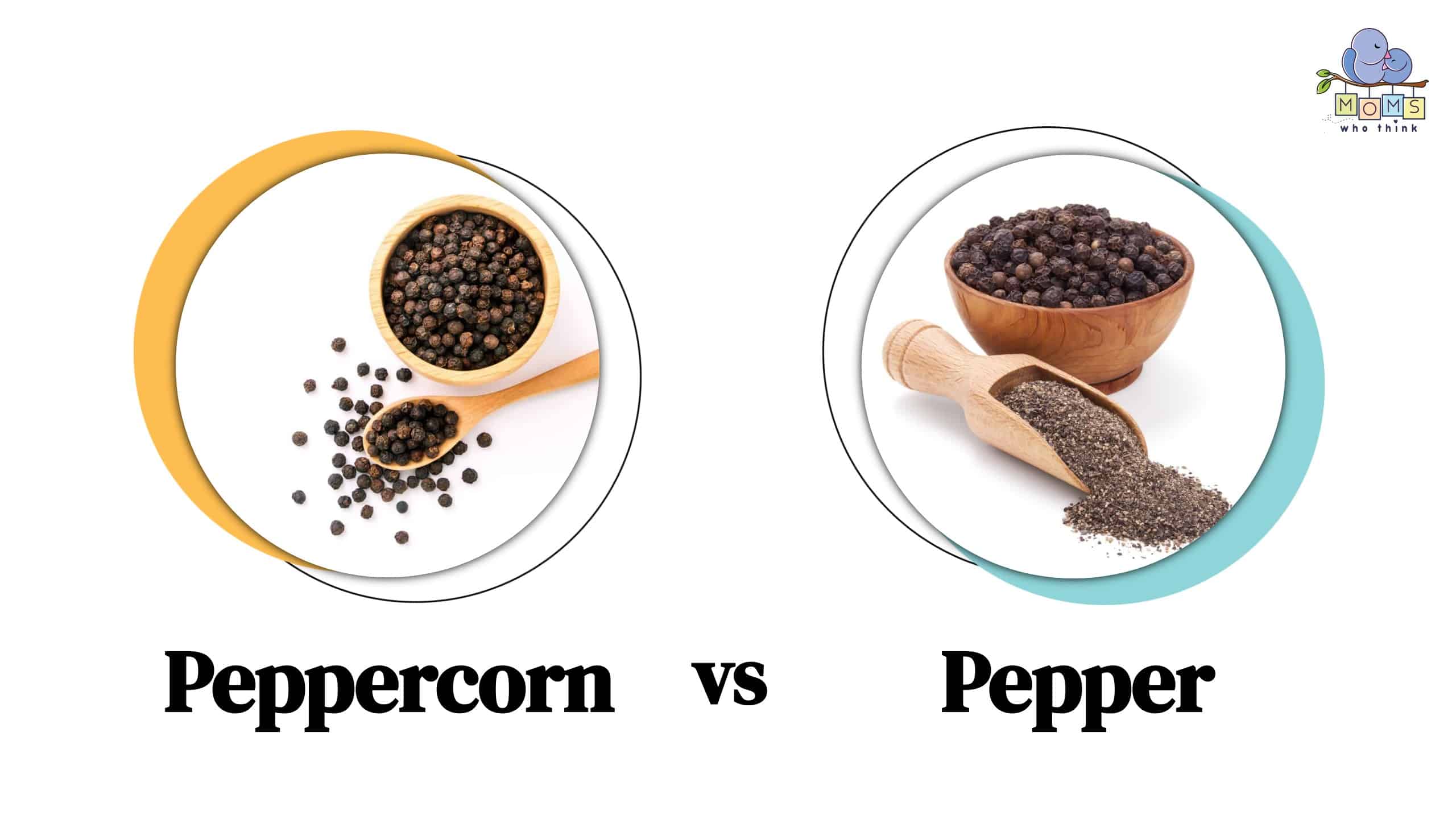 What’s The Difference Between Peppercorn And Black Pepper? – OG Artland
To make the most of it, store your peppercorns properly. Keep them in an airtight container in a cool, dark place, away from sunlight and heat. Unlike ground pepper, whole peppercorns stay potent for up to two years, but for the best flavor, try to use them within one year. A simple test: if you crush a peppercorn and it smells flat or dusty, it’s time to replace it. For an even better experience, explore blends like “Tellicherry peppercorns” from India’s Malabar Coast, which are prized for their bold, fruity heat—often considered the pinnacle of black pepper.
In short, whole black pepper and peppercorns are best friends, not strangers. They free you from the tyranny of dusty, pre-ground spice and invite you to enjoy one of the world’s most common seasonings at its peak. So next time you reach for that jar, smile at the simplicity, and give it a good grind. Your taste buds—and your dinner guests—will thank you.
