Is Wheat Bread Good For High Cholesterol

For many, the simple pleasure of a slice of toast in the morning, or a hearty sandwich at lunch, is a daily comfort. Bread is a staple that brings warmth and satisfaction to o...

For many, the simple pleasure of a slice of toast in the morning, or a hearty sandwich at lunch, is a daily comfort. Bread is a staple that brings warmth and satisfaction to our tables. Yet, for the millions managing high cholesterol, this everyday joy often comes with a side of worry. The question of whether wheat bread is a friend or foe is a common one, and the answer is far more encouraging than you might think. Understanding this difference is not about giving up comfort food, but about making informed, heart-healthy choices that support a life you love, without unnecessary sacrifice.
The key purpose of addressing this question is to separate whole grains from refined flours. Not all "wheat bread" is created equal. The bread that most benefits cholesterol levels is 100% whole-grain wheat bread. Unlike white bread, which is stripped of its bran and germ during processing, whole-wheat bread retains these vital components. The bran is rich in soluble fiber, a substance that acts like a sponge in your digestive system. It binds to cholesterol-rich bile acids and helps excrete them from the body, forcing your liver to use more circulating cholesterol to produce new bile. This natural process can lead to a measurable reduction in LDL (the "bad" cholesterol).
The benefits for everyday life are tangible and practical. Imagine starting your day not with a simple sugar spike from white toast, but with a slice of 100% whole-wheat toast topped with a thin layer of avocado or a poached egg. The fiber and protein combination provides sustained energy and keeps you feeling fuller for longer, curbing mid-morning cravings for processed snacks. For lunch, a sandwich on whole-grain bread with lean turkey and plenty of vegetables becomes a powerful, cholesterol-friendly meal. This isn't about bland dieting; it's about adding flavor and texture—like the nutty, earthy taste of a dense seeded loaf—while actively supporting your cardiovascular health. The real-world impact is a lower risk of heart disease, better weight management, and a more stable mood throughout the day.
Must Read
Consider a common scenario: you are at the grocery store, confronted by a wall of "wheat" breads. A loaf labeled "wheat bread" may simply be white bread dyed brown with molasses or caramel coloring. It offers virtually no cholesterol benefit and can even spike your blood sugar. In contrast, a loaf with the label "100% whole wheat" or "stone-ground whole wheat" is your ally. This distinction is critical. The fiber content in a true whole-wheat loaf is your primary weapon. Eating just two to three servings of whole grains per day has been shown in studies to lower total cholesterol and triglycerides, making this simple swap a cornerstone of a heart-smart diet.
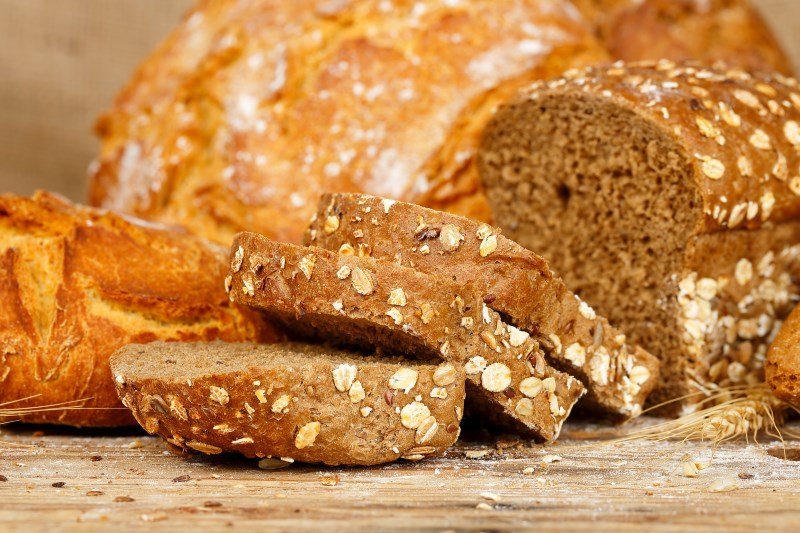
To explore this on your own, start with a simple, critical habit: read the ingredient list. The first ingredient should explicitly say "100% whole wheat flour" or "whole grain whole wheat flour." Beware of misleading terms like "enriched wheat flour" or "unbleached wheat flour," which are code for refined white flour. Look for a loaf that lists at least 3 to 5 grams of dietary fiber per slice. Another easy tip is to choose bread with visible seeds and grains, like oats, flax, or sunflower seeds. These add healthy unsaturated fats and extra fiber, which further help manage cholesterol by reducing inflammation and supporting good HDL cholesterol levels.
 11 High-Cholesterol Foods That Are Super Healthy - Well-Being Secrets
Beyond the store shelf, you can experiment at home. Try a sandwich where you make a "open-faced" version with just one slice of good whole-wheat bread, piling on beans, roasted vegetables, and a sprinkle of nuts. This reduces your overall carbohydrate intake while maximizing fiber and nutrient density. You might also discover that toasting 100% whole-wheat bread changes its texture, making it crunchier and more satisfying. For a simple breakfast, spread it with a thin layer of unsweetened nut butter (rich in heart-healthy monounsaturated fats) and top with banana slices. These small, deliberate choices transform a potential source of guilt into an active part of your cholesterol management plan.
In summary, wheat bread can be excellent for high cholesterol, but only when it is the right kind. It is not a cure-all, but a powerful, delicious tool within a broader strategy of exercise, weight control, and a diet low in saturated fats. The joy of bread does not have to end with a cholesterol diagnosis. By being a savvy shopper and choosing true 100% whole grains, you can enjoy your daily slice as a functional, healing food that adds both comfort and decades of better heart health. Your next sandwich can be a small, delicious victory for your well-being.

