Is Water Turning Into Ice A Chemical Change

So, you’re standing in your kitchen, staring at an ice cube tray. You’re probably thinking, “Should I make a martini?” But instead, a rogue thought bubbles up: “Wait… is water...
So, you’re standing in your kitchen, staring at an ice cube tray. You’re probably thinking, “Should I make a martini?” But instead, a rogue thought bubbles up: “Wait… is water turning into ice a chemical change?” It’s the kind of question that hits you at 10 PM on a Tuesday, right after you’ve binge-watched three episodes of a science documentary. Don’t worry—I’ve got you. Let’s crack this frozen mystery together, preferably with a warm blanket nearby.
First, the short answer: No, it is not a chemical change. It’s a physical change. But don’t let the simplicity fool you—this is where science gets delightfully weird. A chemical change is when a substance becomes something entirely new. Think of burning toast: you start with bread, you add fire, and suddenly you have charcoal that smells like a campfire apology. The molecules have reshuffled into carbon dioxide and water vapor. You can’t “un-toast” that bread. It’s a one-way ticket to flavor-town… or flavor-sadness, depending on your toaster settings.
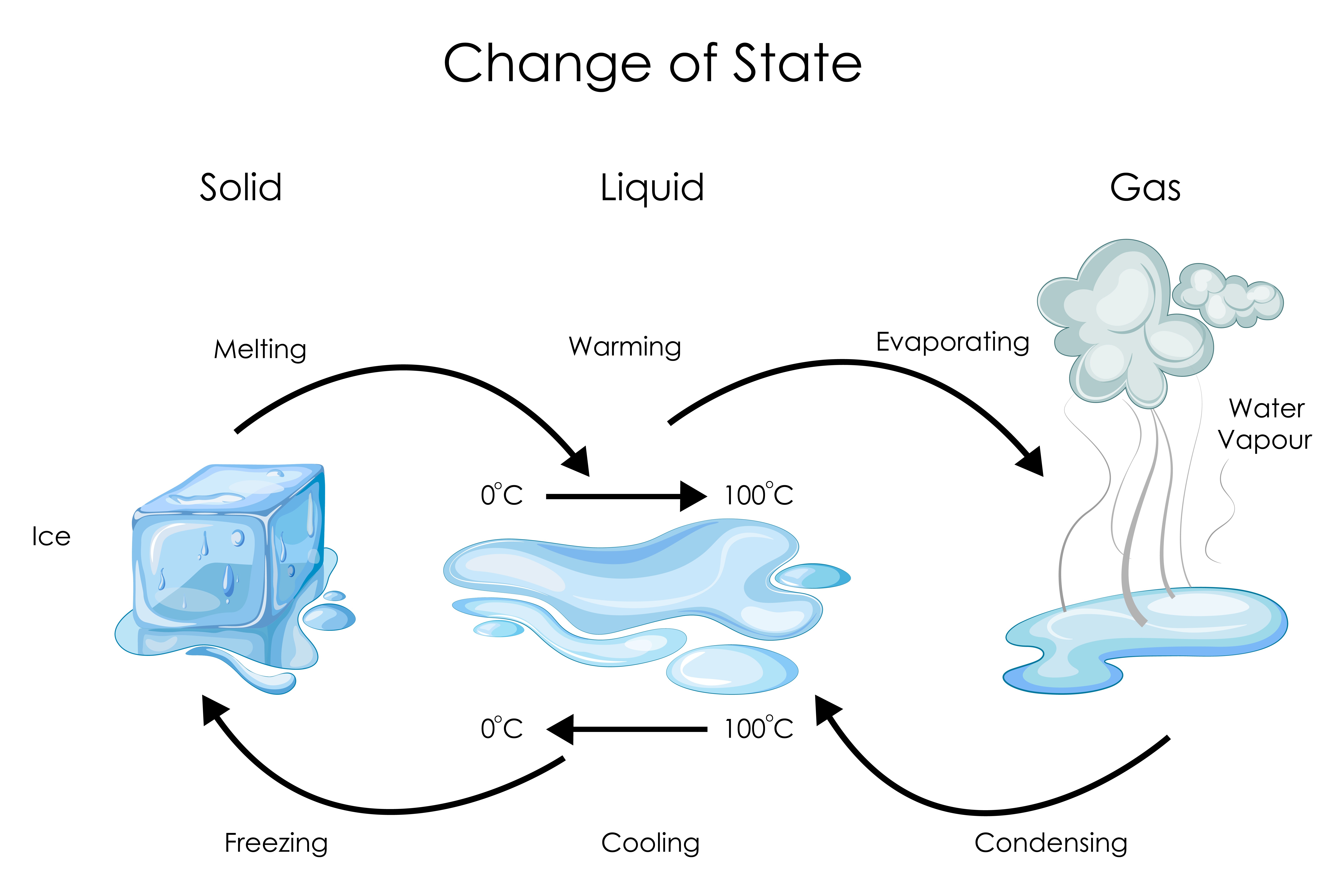
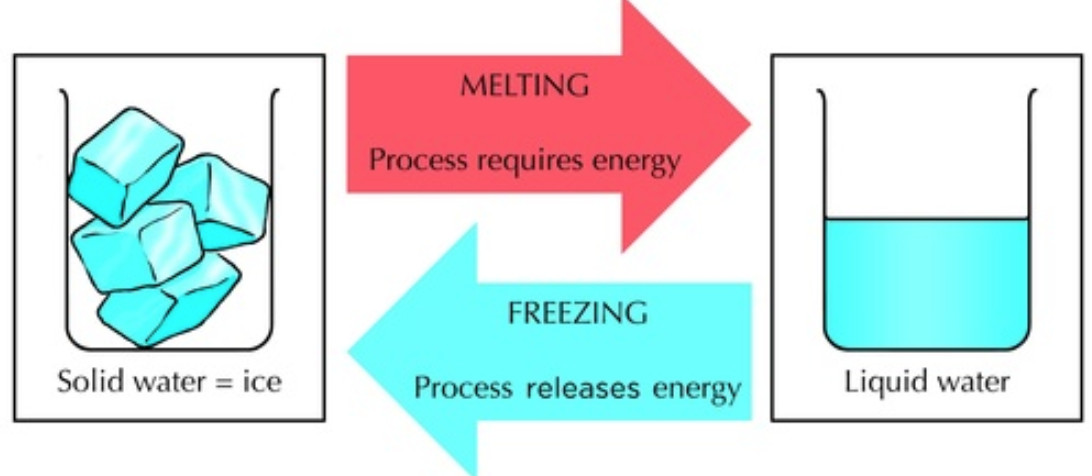
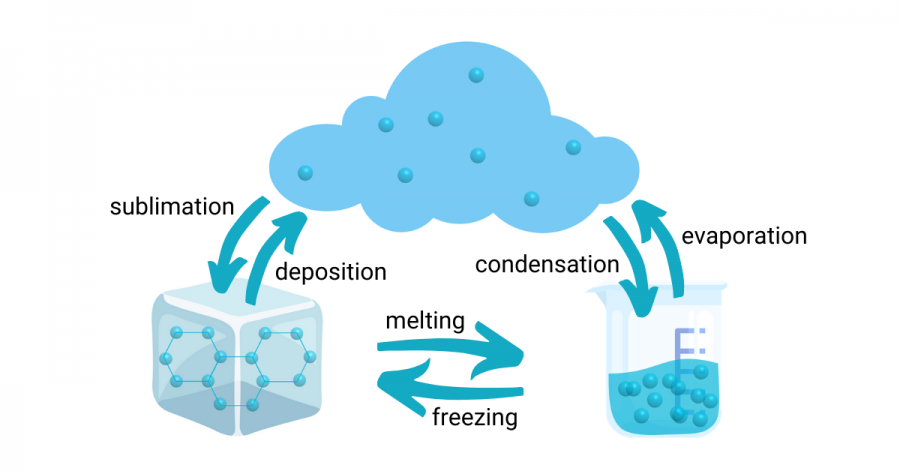
Now, freezing water? It’s the opposite of dramatic. Water molecules are like a crowd at a concert: when it’s warm, they bounce around, high-fiving and shoving. When it gets cold? They slow down, hold hands, and form a tidy pattern—a crystal lattice. But here’s the kicker: every single H₂O molecule remains exactly that—H₂O. It’s still water on a molecular level, just in a different dance formation. If you melt that ice, you get liquid water again. No new substances, no chemical makeover. It’s like putting jeans in the freezer to avoid washing them—still jeans, just colder and slightly less questionable.
Must Read
“But wait!” you say, spilling your tea. “What about all that hydrogen bonding and energy exchange?” Ah, my curious friend, that’s the physics part—the cozy sweater of science. Chemical changes involve breaking and forming chemical bonds, which is like a messy divorce between atoms. Freezing water only rearranges intermolecular forces—the polite, temporary attractions between molecules. It’s the difference between getting married (chemical change) and just doing a synchronized dance with your friends (physical change). Both can be beautiful, but only one requires a ring and a notary.
Why does this matter in your everyday life? Because understanding this saves you from awkward dinner party debates. Imagine your uncle Bob insisting that ice is a “new form of matter” while you casually drop, “Actually, it’s a physical state, Bob. Much like your sense of humor—solid, but still fundamentally the same.” (Don’t actually say that. Holidays are hard enough.) It also helps you stop worrying about your drink’s “chemical integrity.” Your ice cubes are loyal soldiers—they melt back into water at room temperature, never betraying their H₂O nature. Ice is just water’s chill, introverted phase.
 Deposition Water Ice
So, the next time you fill an ice cube tray, smile. You’re not creating a new compound. You’re just giving your water molecules a spa day. They slow down, get their crystals in order, and take a nice, solid nap. When they wake up, they’re ready to hydrate you again, unchanged and unbothered. Isn’t that kinda beautiful? In a world of constant chemical chaos—oxidation, combustion, digestion—freezing is water’s quiet act of self-care. It’s a gentle reminder that sometimes, the most profound things in life aren’t about becoming something else. They’re about staying exactly who you are, even when the temperature drops.
So go on. Make your ice. Sip your drink. And know that you’ve just performed a tiny, perfect miracle of physics. No drama, no change, just pure, glorious H₂O—chillin’ like a villain.