Is Vegetable Oil And Sunflower Oil The Same

For many home cooks, the humble bottle of cooking oil is a kitchen staple that quietly powers everything from a simple stir-fry to a batch of crispy roasted potatoes. It’s eas...
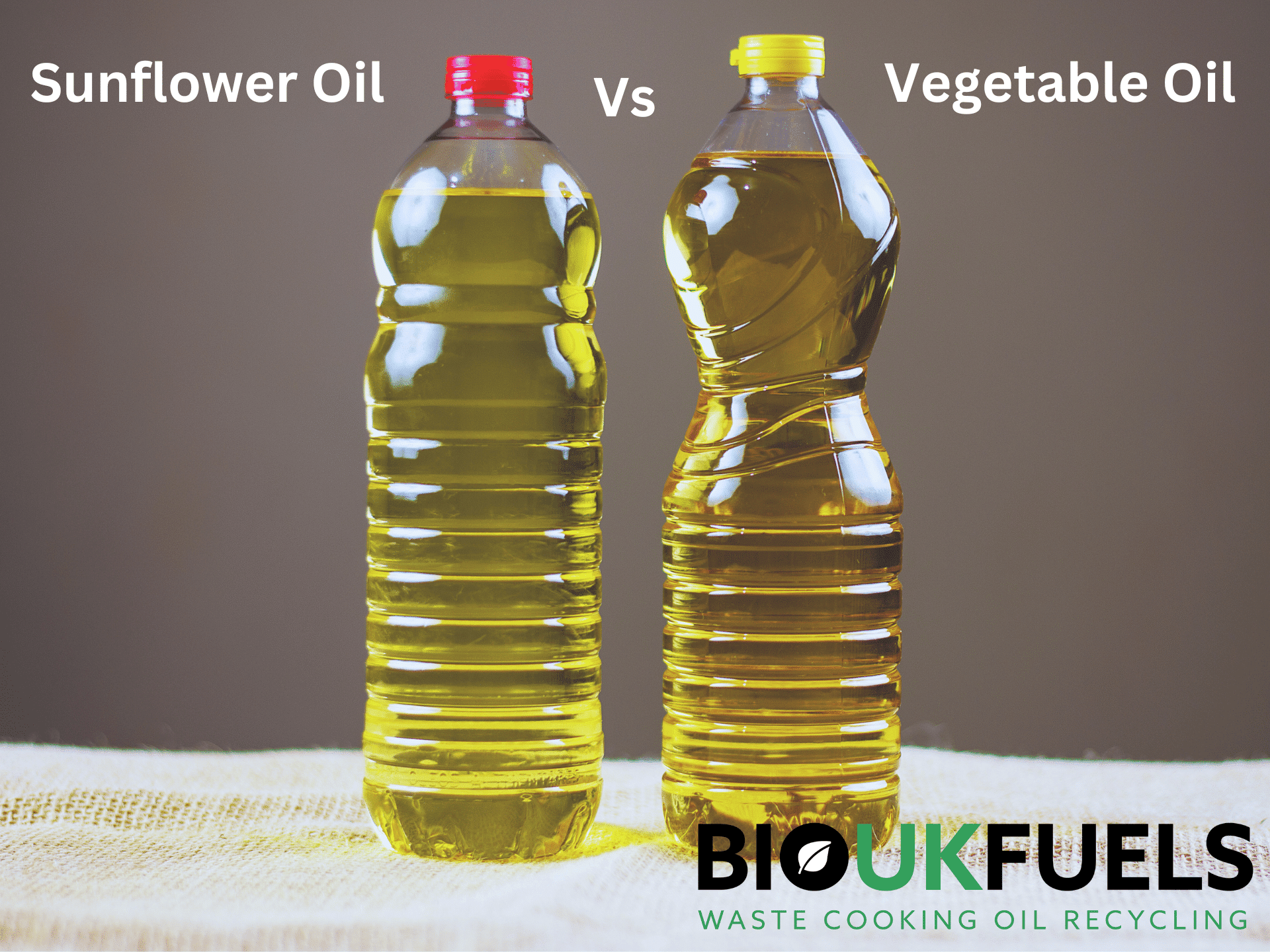
For many home cooks, the humble bottle of cooking oil is a kitchen staple that quietly powers everything from a simple stir-fry to a batch of crispy roasted potatoes. It’s easy to reach for whatever is on sale or closest at hand, often a bottle labeled “vegetable oil” or “sunflower oil.” But are these two pantry essentials truly the same? Understanding the difference matters because the oil you choose can subtly alter the flavor of your food, affect its nutritional profile, and even influence how it performs under high heat. For those who enjoy cooking as a daily ritual, knowing which oil to grab is a small but powerful step toward better meals and better health.
At first glance, the confusion is understandable. Both vegetable oil and sunflower oil are neutral-tasting oils with high smoke points, making them ideal for frying, sautéing, and baking. They are both liquid at room temperature and are widely used in processed foods, salad dressings, and marinades. A typical scenario: you are making a vinaigrette for a fresh garden salad, and the recipe calls for “vegetable oil.” You might substitute sunflower oil without noticing a major difference in taste or texture. However, the key purpose of each oil diverges significantly once you examine what is actually in the bottle.
The first major distinction lies in their source ingredients. Sunflower oil is, by definition, pressed exclusively from sunflower seeds—a single plant source. Vegetable oil, on the other hand, is a blend of oils from various plant sources, most commonly soybeans, canola, corn, cottonseed, or palm oil. When you buy a bottle labeled “vegetable oil,” you are never sure exactly which oils are inside, as manufacturers often change the blend based on cost and availability. For example, a budget-friendly vegetable oil might be primarily soybean oil, while another brand might use a mix of canola and corn oil. Sunflower oil offers transparency in origin, which some cooks prize for consistency in recipes.
Must Read
Nutritionally, the two oils are not created equal, and this is where the everyday benefits become most apparent. Sunflower oil is generally higher in unsaturated fats, particularly polyunsaturated fatty acids, including vitamin E—a powerful antioxidant that supports skin health and immune function. Vegetable oil’s nutrient profile varies wildly depending on its blend. For instance, a vegetable oil heavy in canola or soybean oil may contain more monounsaturated fats and omega-3s, but also potentially more trans fats if partially hydrogenated oils are used (though modern regulations have reduced this). If you are mindful of your heart health, choosing sunflower oil can provide a steady, predictable source of beneficial fats, whereas vegetable oil’s nutritional value is a “grab bag” that may or may not align with your goals.
In practical kitchen use, the smoke point—the temperature at which an oil starts to break down and burn—can make or break a dish. Sunflower oil typically has a smoke point between 440–450°F (227–232°C), making it excellent for high-heat searing, deep-frying, and wok cooking. Vegetable oil, depending on its composition, often has a slightly lower smoke point, around 400–440°F (204–227°C). Imagine you are preparing golden-brown tempura or crispy fried chicken: using sunflower oil allows you to push the heat higher without introducing burnt, bitter flavors or releasing harmful smoke. Conversely, for medium-heat roasting or sautéing vegetables at around 350°F, either oil works fine—but the stability of sunflower oil gives it a slight edge for more intense cooking.
 Difference Between Sunflower Oil and Vegetable Oil
Flavor is another subtle but real difference. While both are marketed as neutral, sunflower oil can sometimes have a mild, nutty undertone that enhances certain dishes like roasted root vegetables or homemade mayonnaise. Vegetable oil, especially if it contains soybean or canola, tends to be completely bland, which is ideal when you want the ingredients—not the oil—to shine. For example, in a delicate cake recipe where the oil’s flavor could compete with vanilla or citrus, vegetable oil’s absolute neutrality is a benefit. But for a simple vinaigrette or a pan-fried fish fillet, the slight character of sunflower oil can add a pleasing background note.
To explore this on your own, start with a simple test: buy a small bottle of each and use them in the same recipe, such as a basic stir-fry or a batch of homemade french fries. Note how each oil behaves when heated—does one smoke earlier? Does the final dish taste different? Label each bottle with the date and source so you can track freshness, as sunflower oil is more prone to oxidation due to its higher polyunsaturated fat content. Store both oils in a cool, dark cupboard to extend shelf life. For daily use, consider reserving sunflower oil for high-heat cooking and vegetable oil for baking or dressings where you want zero flavor interference. Finally, read the ingredient list on your vegetable oil—if it names “soybean oil” or “canola oil” first, you now know exactly what you’re cooking with. This small habit will make you a more confident, informed cook, and help you appreciate that not all oils are the same—even when they look identical on the shelf.