Is Vaping Water Vapor Bad For You

Vaping: The Water Vapor Question So, you've seen them - the clouds of vapor billowing from the lips of your friend, colleague, or maybe even your neighbor. Vaping has become...
Vaping: The Water Vapor Question
So, you've seen them - the clouds of vapor billowing from the lips of your friend, colleague, or maybe even your neighbor. Vaping has become a cultural phenomenon, with e-cigarettes and vaping devices popping up everywhere from music festivals to your local coffee shop. But the big question on everyone's lips is: is vaping water vapor bad for you?
Let's Break It Down
First things first, let's talk about what vaping actually is. At its core, vaping is the act of inhaling and exhaling the vapor produced by an e-cigarette or similar device. This vapor is created when a heating element, called an atomizer, heats a liquid - known as e-juice or e-liquid - to the point where it turns into a gas.
Now, here's where it gets interesting. This e-liquid is primarily made up of four ingredients: propylene glycol, vegetable glycerin, flavorings, and nicotine (which is optional). Propylene glycol and vegetable glycerin are both food-grade ingredients, widely used in the food industry as thickeners and solvents. So, in theory, the water vapor produced by vaping should be relatively harmless, right?
Must Read
But Wait, There's More
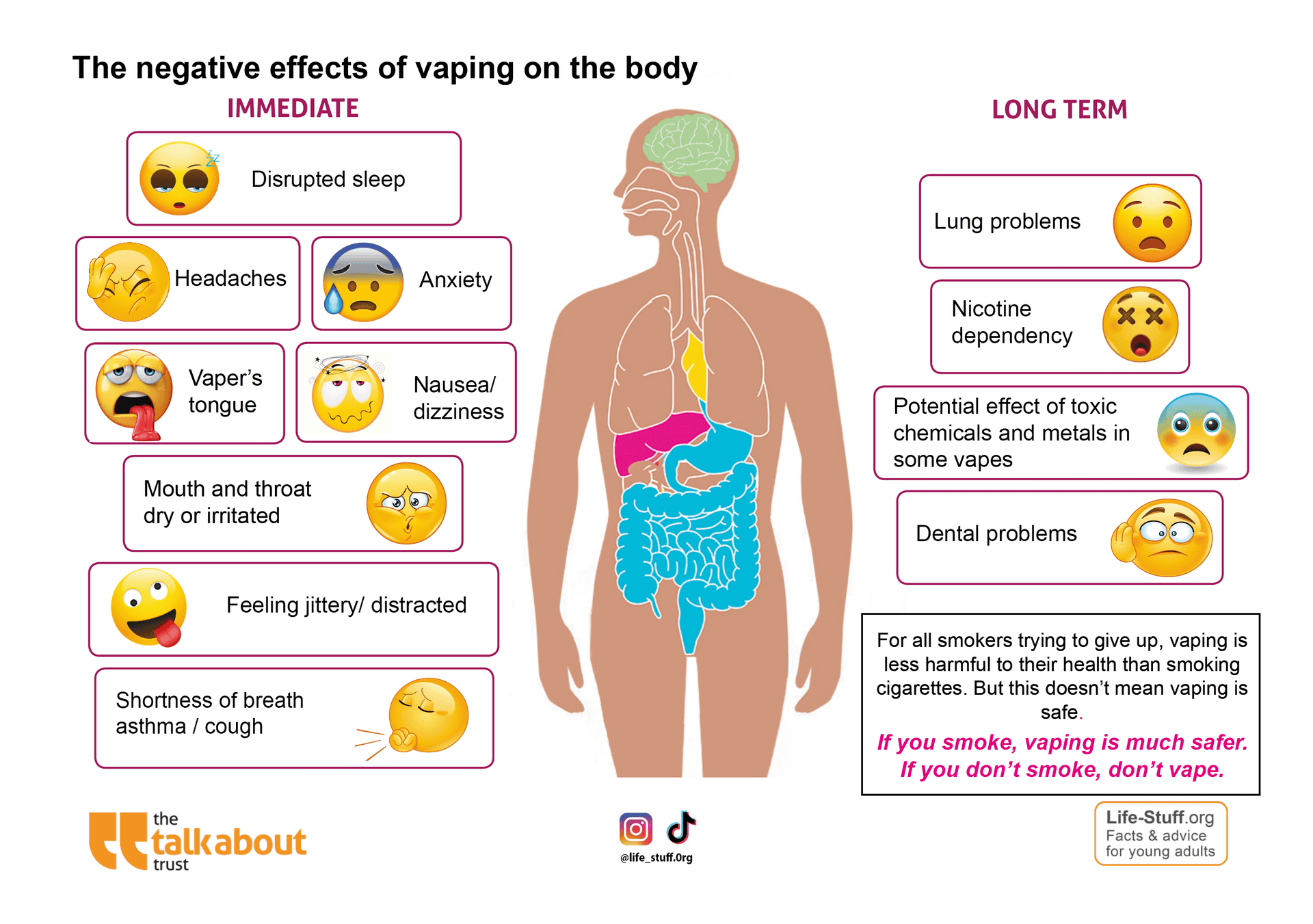
While the ingredients in e-liquid might seem innocuous, it's important to remember that they're not intended for inhalation. Propylene glycol, for instance, can cause throat irritation and allergic reactions in some people when inhaled. And while vegetable glycerin is generally well-tolerated, it can lead to increased production of mucus in the lungs.
Then there's the issue of flavorings. These can contain a whole host of chemicals, some of which have been linked to health issues. For example, diacetyl - a butter-like flavoring - has been linked to a serious lung condition called bronchiolitis obliterans, or 'popcorn lung'.
Nicotine: The Elephant in the Room
Let's not forget about nicotine, the addictive substance found in tobacco and, often, e-liquid. Nicotine is a stimulant that can raise your heart rate, increase blood pressure, and prime your brain's reward pathways. While it's not as harmful as the thousands of chemicals found in tobacco smoke, it's still a powerful drug that can have negative effects on your health.
Moreover, nicotine is highly addictive. According to the Centers for Disease Control and Prevention (CDC), nicotine can be as addictive as heroin or cocaine. So, while vaping might seem like a safer alternative to smoking, it can still lead to nicotine addiction and all the health problems that come with it.
Vaping and the Lung
In recent years, there have been several cases of a severe lung injury associated with vaping, collectively known as EVALI (E-cigarette, or Vaping, product use Associated Lung Injury). As of February 2021, the CDC has reported over 2,800 cases of EVALI, including 68 deaths.
While the exact cause of EVALI is still not fully understood, researchers believe that vitamin E acetate, a thickening agent used in some THC-containing e-liquids, plays a significant role. However, other chemicals, such as diacetyl and other flavorings, may also contribute to lung injury.
 What Is Vape Aerosol? What You Inhale (2026) | G'DayVape
So, Is Vaping Water Vapor Bad For You?
The short answer? It's complicated. While vaping might produce water vapor, the e-liquid it's made from contains a host of chemicals that can have negative effects on your health. Moreover, the long-term effects of vaping are still not fully understood, and more research is needed to fully grasp the potential risks.
That being said, it's important to remember that vaping is not a safe alternative to smoking. In fact, the Royal College of Physicians estimates that vaping is around 95% less harmful than smoking. So, if you're a smoker looking to quit, vaping could be a useful tool. But if you're a non-smoker, it's probably best to steer clear of e-cigarettes altogether.
Practical Tips
If you do choose to vape, here are some practical tips to minimize the risks:
- Buy from reputable sources - Ensure your e-liquid is from a trusted manufacturer to minimize the risk of harmful contaminants.
- Avoid flavored e-liquids - Stick to plain e-liquids to reduce your exposure to potentially harmful flavorings.
- Don't modify your device - Tampering with your vaping device can increase the risk of injury and exposure to harmful chemicals.
- Be mindful of nicotine strength - Start with a lower nicotine strength and gradually reduce it to minimize the risk of addiction.
Reflection: A Cloud of Uncertainty
At the end of the day, vaping is a relatively new phenomenon, and we're still learning about its potential effects on our health. So, while it might seem like a harmless way to blow clouds of water vapor, it's important to approach vaping with caution.
After all, as the great philosopher Forrest Gump once said, "Life is like a box of chocolates - you never know what you're gonna get." And when it comes to vaping, it's the same thing - we don't yet know the full extent of what we're inhaling, or the long-term effects it might have on our health.
So, let's be smart about vaping. Let's enjoy the clouds, but let's not forget that there's a lot we still don't know. And until we do, it's probably best to keep our vaping habits in check.
