Is Tuna Fish Good For You

So, Should We Be Swimming in Tuna? Let's Dive In! Ever wondered why your grandma always packed you a tuna salad sandwich for lunch? Or why your mom's 'Tuna Helper' was the hi...
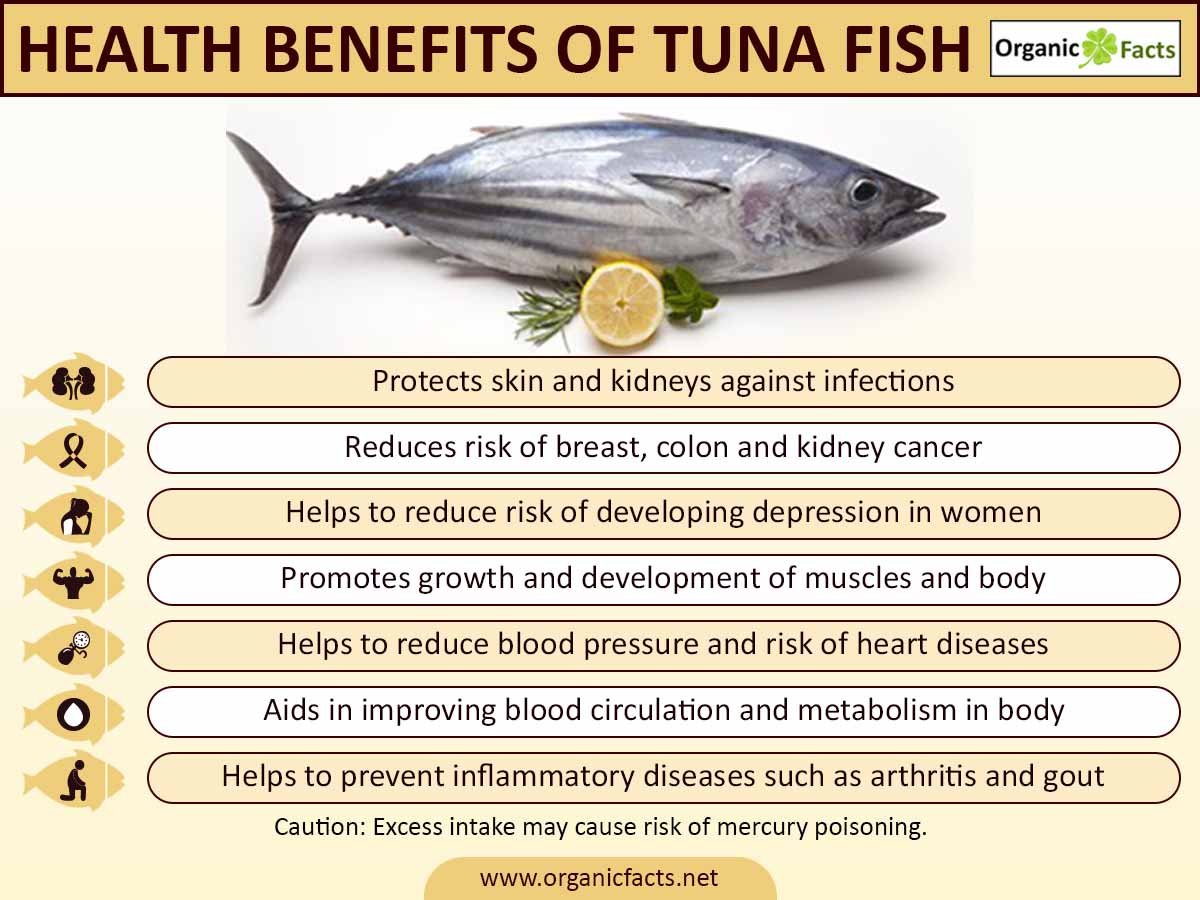
So, Should We Be Swimming in Tuna? Let's Dive In!
Ever wondered why your grandma always packed you a tuna salad sandwich for lunch? Or why your mom's 'Tuna Helper' was the highlight of your childhood dinners? Well, it's not just because they were easy to make (although, let's be real, that was a big part of it). No, no, there's more to this fishy friend than meets the eye. Let's take a little journey together and find out if tuna fish is really as good for us as they say.
First things first, what's so special about tuna?
Imagine tuna as the superhero of the sea. It's packed with all sorts of goodies that our bodies love. We're talking about protein, omega-3 fatty acids, and a whole bunch of vitamins and minerals. In fact, a 3-ounce serving of canned tuna has about 25 grams of protein, which is more than a quarter of what we need in a day. That's like having a small, tasty protein shake from the ocean!
Now, you might be thinking, "That's all well and good, but what are these omega-3s you keep mentioning?" Well, let me tell you, omega-3s are like the sidekick that every superhero needs. They're essential fats that our bodies can't make on their own, and they're super important for our heart health, brain function, and even our eyes. So, when you eat tuna, you're not just getting a big hit of protein, you're also giving your body a boost of these amazing fats.
Must Read
But wait, isn't tuna a bit... fishy?
Alright, alright, I hear you. Tuna can have a bit of a, shall we say, 'unique' flavor. But here's the thing, that's not always a bad thing. In fact, it's that 'fishy' taste that makes tuna so versatile. You can mix it with mayo and some celery for a classic sandwich filling, or you can get all fancy and make a tuna tartare. And if you're feeling really adventurous, you can even try your hand at making sushi at home (just make sure to get the sushi-grade tuna, okay?).
But what if you're not a fan of the fishy taste? Well, there's good news for you too. Canned tuna, which is often used in those easy-to-make meals we talked about earlier, has a much milder flavor. It's so mild, in fact, that you can often use it as a substitute for chicken in recipes. So, even if you're not a fan of the taste of tuna on its own, you can still reap the benefits by sneaking it into your meals.
Okay, so tuna's healthy, but what about all that mercury talk?
Alright, let's address the elephant in the room. You've probably heard about mercury and how it's not so great for us. And it's true, tuna can have higher levels of mercury than other types of fish. But here's the thing, the type of tuna that's most commonly used in canned tuna - skipjack and chunk light tuna - actually have lower mercury levels. So, you can still enjoy your tuna salad sandwiches without having to worry too much.
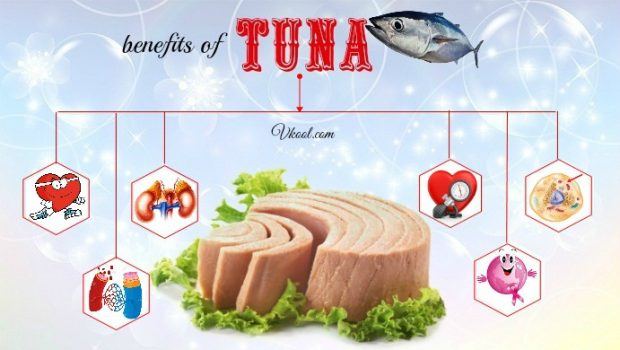 Top 19 Nutritional Benefits Of Tuna Fish For The Whole Health
But, if you're pregnant or planning to become pregnant, it's still a good idea to be a little more careful. The FDA recommends that you limit your intake of albacore (or white) tuna to no more than 6 ounces per week, and avoid eating other types of tuna altogether. It's always a good idea to talk to your doctor if you're not sure.
So, should we be swimming in tuna?
Well, maybe not literally. But the short answer is yes, tuna can be a great addition to your diet. It's packed with protein, omega-3s, and a whole host of other goodies that our bodies need. And the best part? It's super versatile, so you can add it to all sorts of meals without even realizing it's there. So, go on, give tuna a chance. Your body will thank you!
And remember, as with all things, moderation is key. While tuna is great, it's still important to vary your diet and make sure you're getting a wide range of nutrients. So, go ahead and enjoy that tuna melt, but don't forget to have some veggies on the side too. Your body (and your taste buds) will be happy you did.
