Is Tomato Sauce And Tomato Paste The Same Thing

Welcome, kitchen explorers and pasta enthusiasts! If you’ve ever stood in the grocery aisle, squinting at a can of tomato sauce and a tube of tomato paste, wondering if they’r...
Welcome, kitchen explorers and pasta enthusiasts! If you’ve ever stood in the grocery aisle, squinting at a can of tomato sauce and a tube of tomato paste, wondering if they’re secretly the same thing, you are not alone. This is one of the most common—and most fun—mysteries of the culinary world. Why is it helpful to untangle this red, saucy riddle? Because knowing the difference can save you from a watery lasagna or a brick-red, overly intense stew. It’s the secret handshake of confident cooking. Once you master this, you’ll not only save money and reduce food waste, but you’ll also unlock a world of flavor shortcuts that turn a simple meal into something sangiovese-sipping Italians would approve of. So, let’s dive into the tomato-y truth!
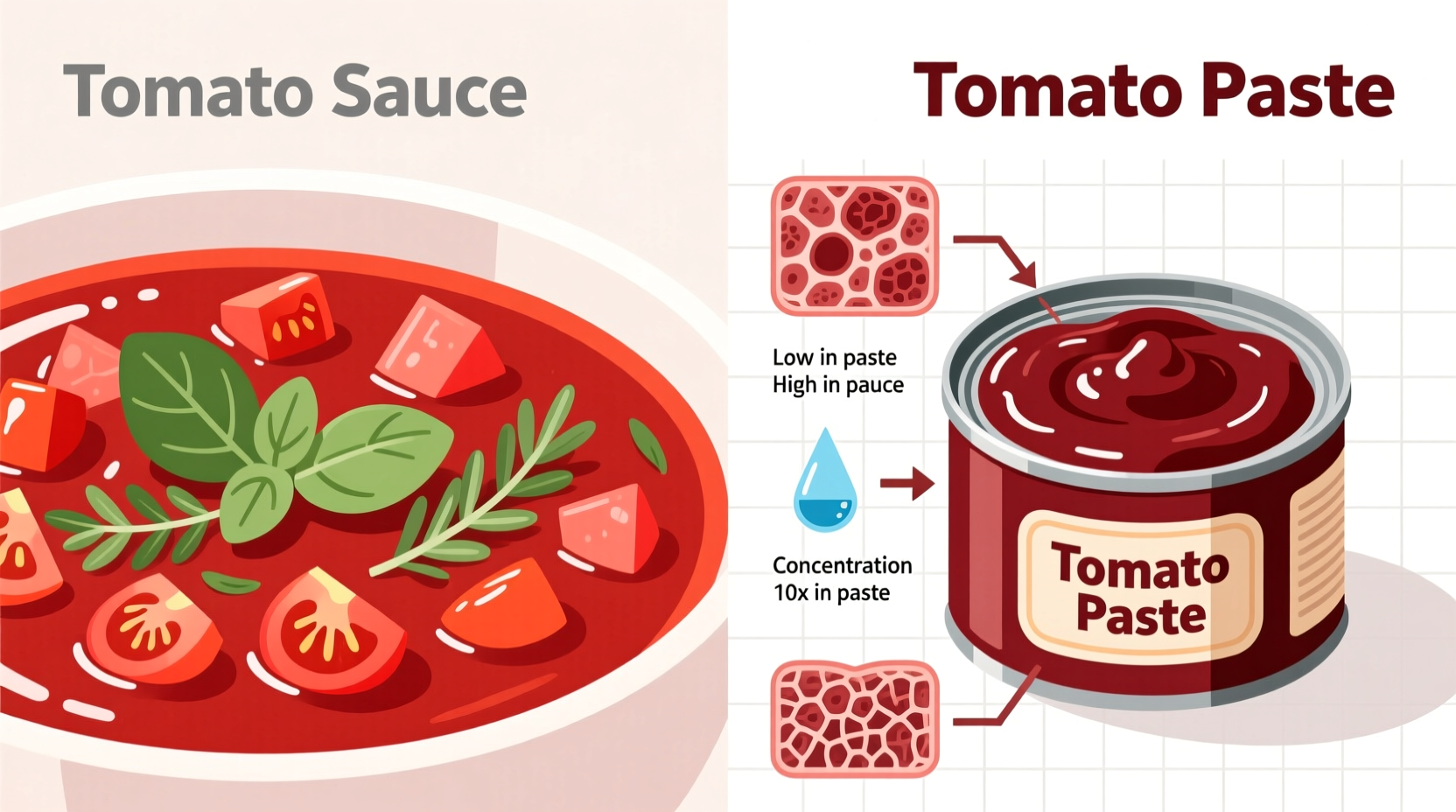
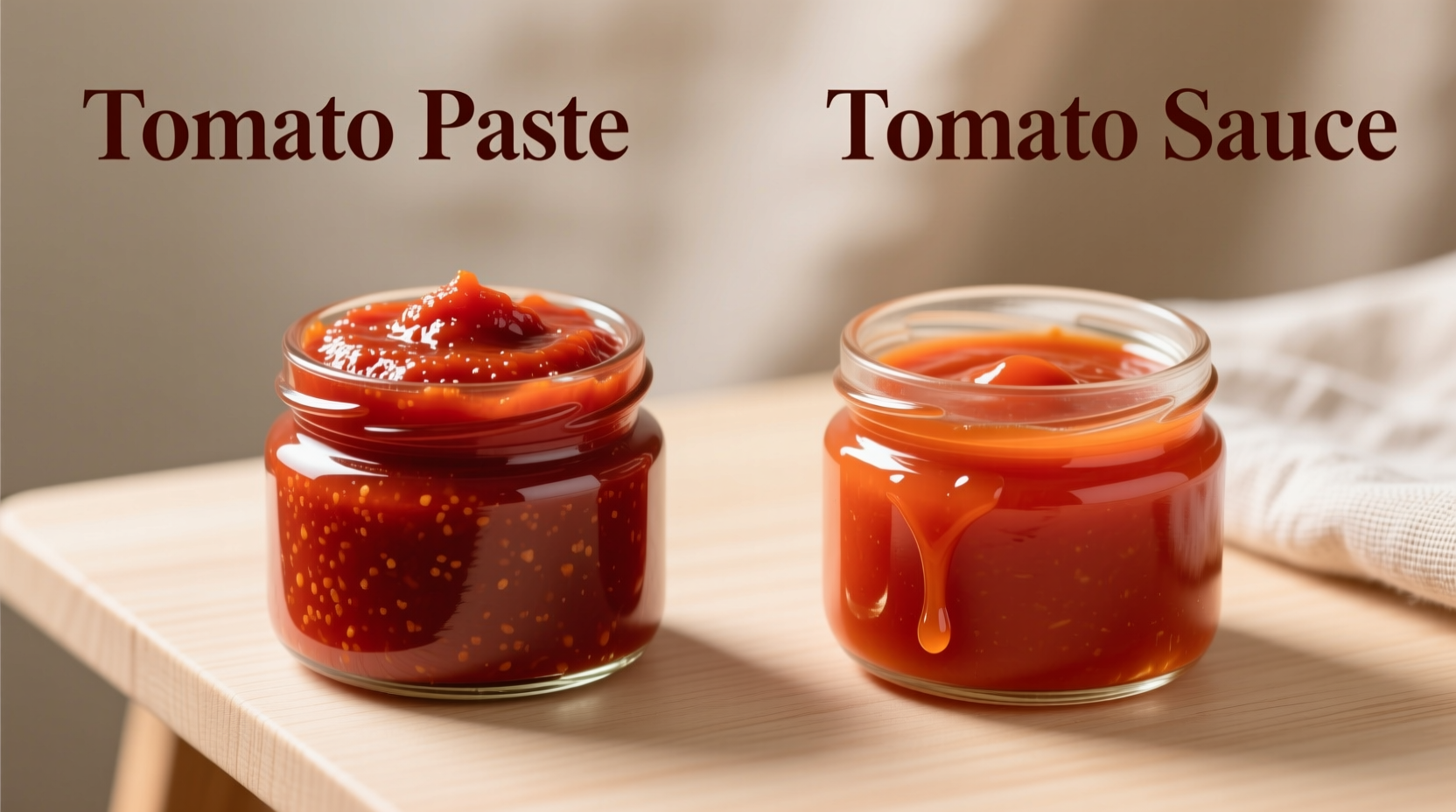
First, the big answer: no, tomato sauce and tomato paste are absolutely not the same thing. Think of them as distant cousins who live very different lives. Tomato paste is the intense, concentrated essence of the tomato—a thick, deep red paste that’s been cooked down for hours to remove almost all its water. It’s the umami bomb of the tomato world. Tomato sauce, on the other hand, is much looser and milder. It’s typically made from crushed or pureed tomatoes that are often seasoned with herbs like basil, oregano, or garlic. Imagine the difference between a shot of espresso (that’s your paste) and a tall, smooth latte (that’s your sauce). Both come from the same plant, but their purpose in your dish is wildly different.
Here’s where it gets creative and delicious. Because paste is so concentrated, a little goes a long way—but it also needs a bit of coaxing to shine. A chef’s trick is to cook the paste first before adding liquids. This is called “toasting” the paste. Take a spoonful of tomato paste, add it to hot olive oil in a pan, and stir it for 1–2 minutes. Watch it darken and get fragrant. That tiny step amplifies its sweetness and depth dramatically. One fun example: want to make a quick, rich pizza sauce? Just mix two tablespoons of toasted tomato paste with a splash of water, a pinch of sugar, and dried oregano. In two minutes, you have a sauce that tastes like it simmered all day. Meanwhile, tomato sauce works better as a foundation. Use it as the base for chili, soups, or a simple marinara. If you try to swap them directly, you’ll end up with a disaster—use paste where sauce is called for, and your dish will be too thin and acidic. Use sauce where paste is needed, and you’ll get a watery, flavorless mess.
Must Read
Let’s talk practical tips for everyday cooking. If a recipe calls for tomato sauce but you only have a can of tomato paste (or vice versa), don’t panic—you can convert them! The golden ratio is 1 part tomato paste to 1 part water to make a simple sauce substitute. For example, one tablespoon of paste plus one tablespoon of water equals one tablespoon of thin sauce. For a more authentic swap, add a pinch of sugar, salt, and a dash of olive oil. On the flip side, if you have sauce and need paste, you can simmer the sauce over low heat, stirring often, until it reduces by about half or more. This takes 20–30 minutes but gives you a concentrated paste alternative. Pro tip: always buy tomato paste in a tube instead of a can. Cans waste half the product; tubes let you squeeze out exactly what you need and store the rest in the fridge for weeks.
Here’s a creative idea that shows off their differences: make a “layered” ziti. Start by sautéing garlic and onions in olive oil, then stir in a tablespoon of tomato paste. Toast it until it’s brick red and fragrant. Then add a full jar of tomato sauce (like a store-bought marinara or crushed tomatoes). This two-step method gives you the deep, roasted flavor from the paste and the bright, balanced body from the sauce. It’s how real Italian nonnas do it. Another playful use: use leftover paste to make tomato butter. Mix a tablespoon of paste with softened butter, a pinch of salt, and a smidge of honey. Spread it on toast or melt it over grilled vegetables. It’s a 30-second flavor hack that will blow your mind. Meanwhile, leftover tomato sauce can be frozen in ice cube trays—pop out a cube to add instant savory backbone to stews or rice dishes.
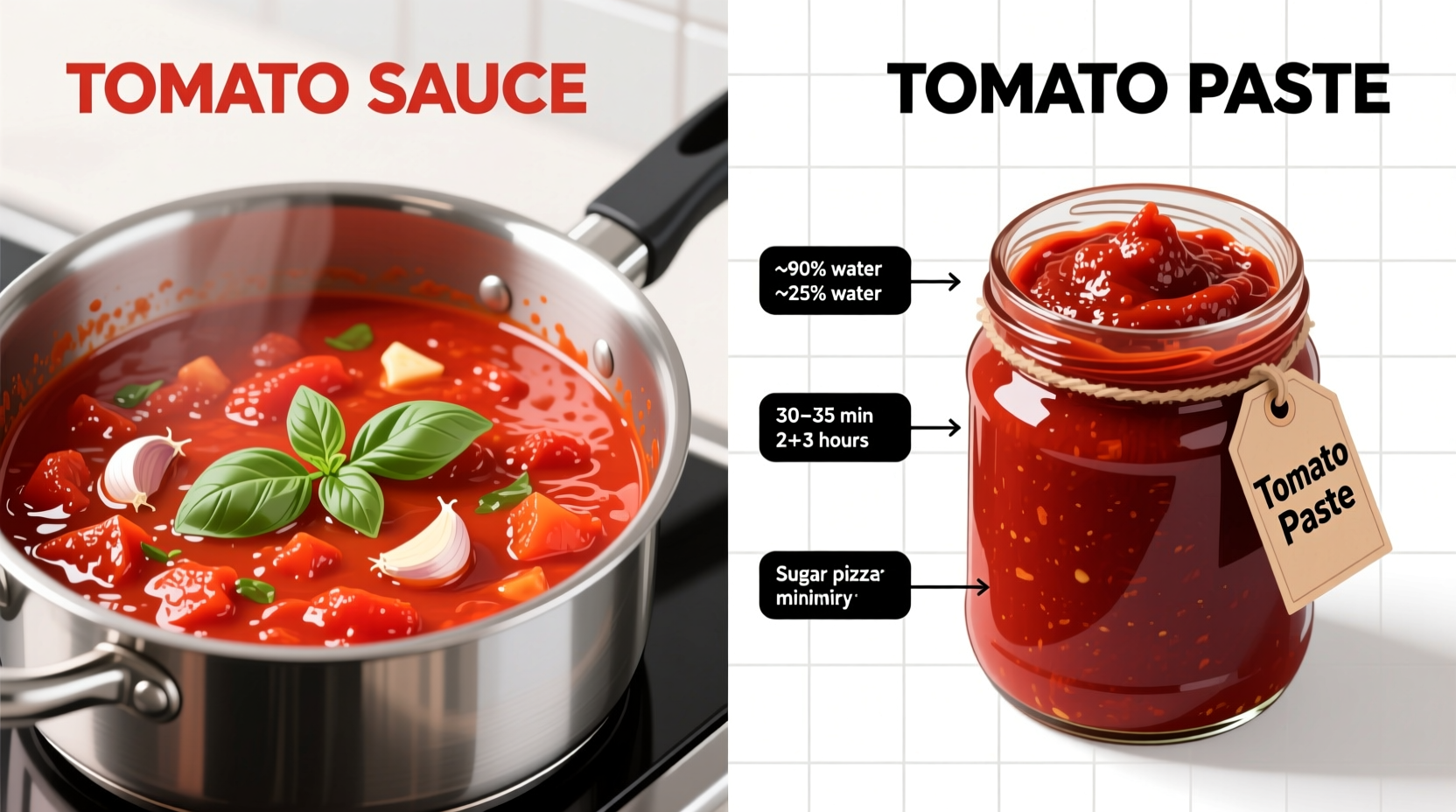 Tomato Paste vs Sauce: Clear Differences & When to Use
Now, a word on quality and storage. Not all tomato products are created equal. For tomato paste, look for brands that list “tomatoes” as the only ingredient (maybe with citric acid for preservation). Avoid pastes with added sugar or starch. For tomato sauce, check the label: a good sauce should have low sodium and no added corn syrup. Store your opened tomato paste tube in the fridge—it lasts for up to two months. If you open a can, transfer the leftover paste to a glass jar and cover the surface with a thin layer of olive oil to prevent mold. As for tomato sauce, it keeps about 5–7 days in the fridge, but you can also freeze it for three months. Never store opened tomato products in their original metal cans—the metal can impart a metallic taste over time.
So, are tomato sauce and tomato paste the same? Absolutely not, but now you know exactly how to use each one to your advantage. They are like two instruments in your kitchen orchestra: one is the deep, resonant bass drum (paste), and the other is the flowing melody of strings (sauce). Use them together, and you’ll create symphony after symphony of flavor. Next time you’re in the aisle, grab a tube of paste and a jar of good sauce. Experiment, toast your paste, and enjoy the confidence that comes from knowing you have the right tool for every tomato-based task. Happy cooking, and may your sauces always be rich, balanced, and utterly delicious.