Is Tomato Paste And Puree The Same

Let’s be honest, few things in the kitchen are as delightfully confusing as the row of red tins and tubes in the grocery aisle. Is tomato paste the same as tomato puree? You’v...
Let’s be honest, few things in the kitchen are as delightfully confusing as the row of red tins and tubes in the grocery aisle. Is tomato paste the same as tomato puree? You’ve probably stood there, jar in hand, wondering if it really matters. The good news is that exploring this question is not only practical but also surprisingly enjoyable—because once you understand the difference, you unlock a secret weapon for richer sauces, deeper stews, and more vibrant homemade pizzas. The main purpose of this little investigation is to save you from bland meals and wasted ingredients, benefiting everyone from the busy weeknight cook to the weekend sauce enthusiast.
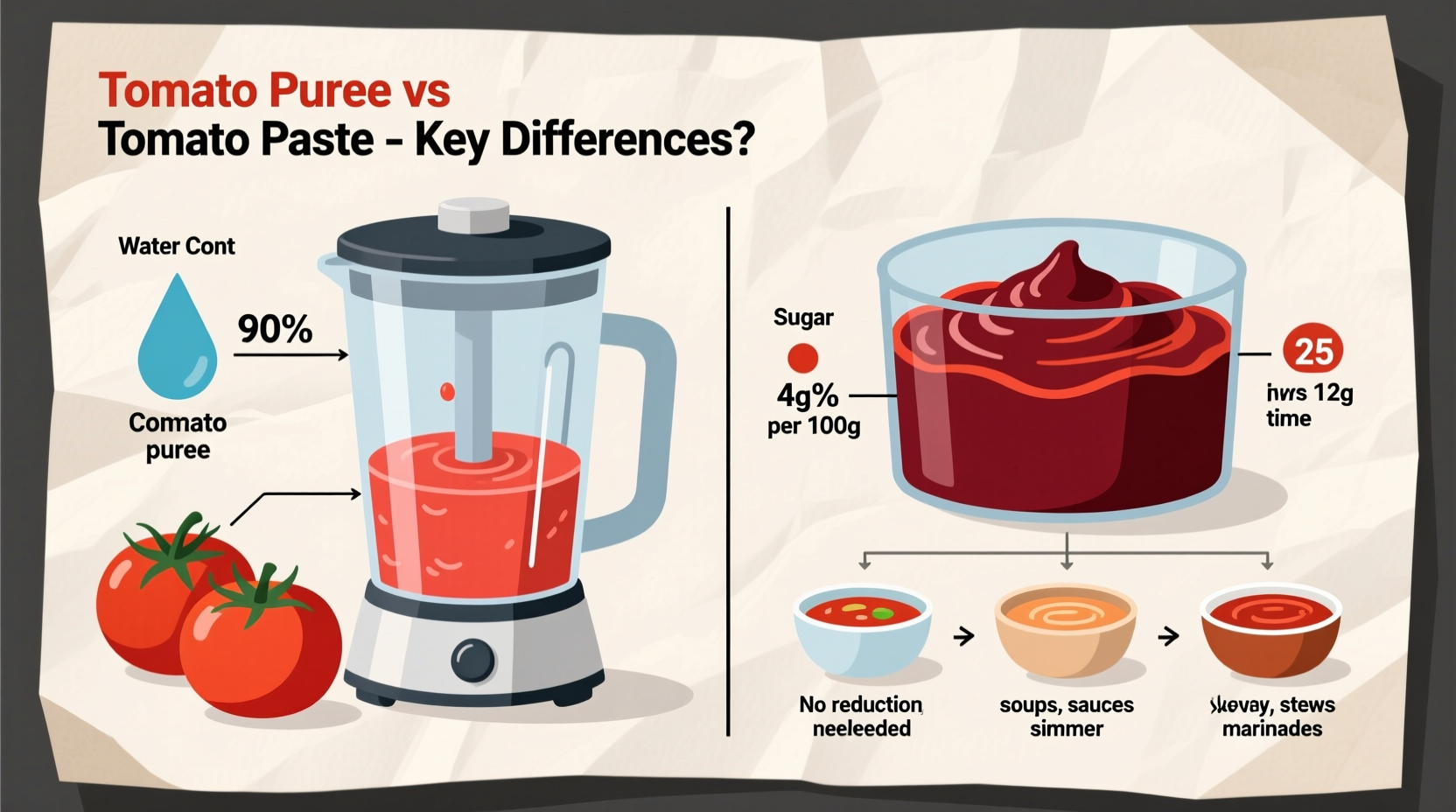
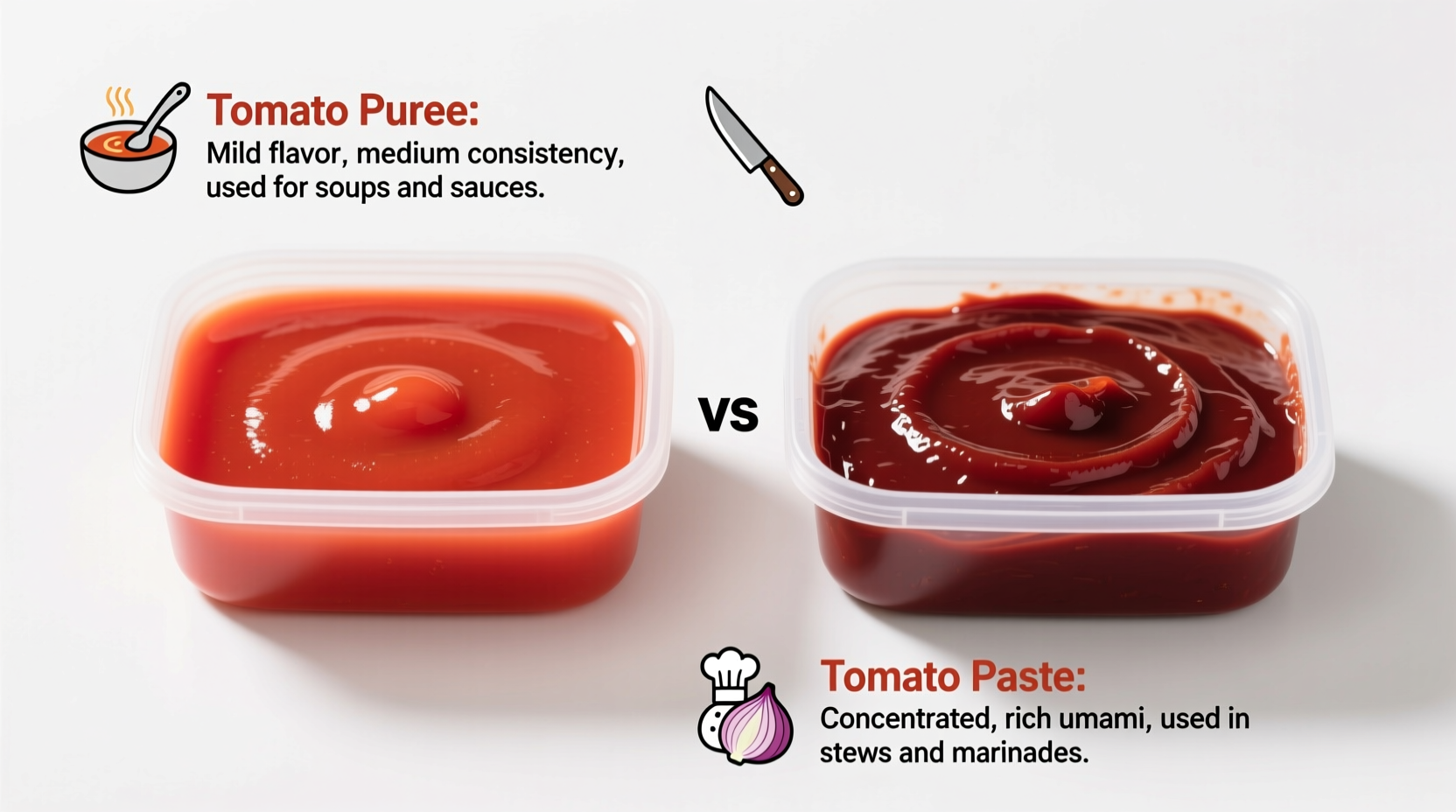
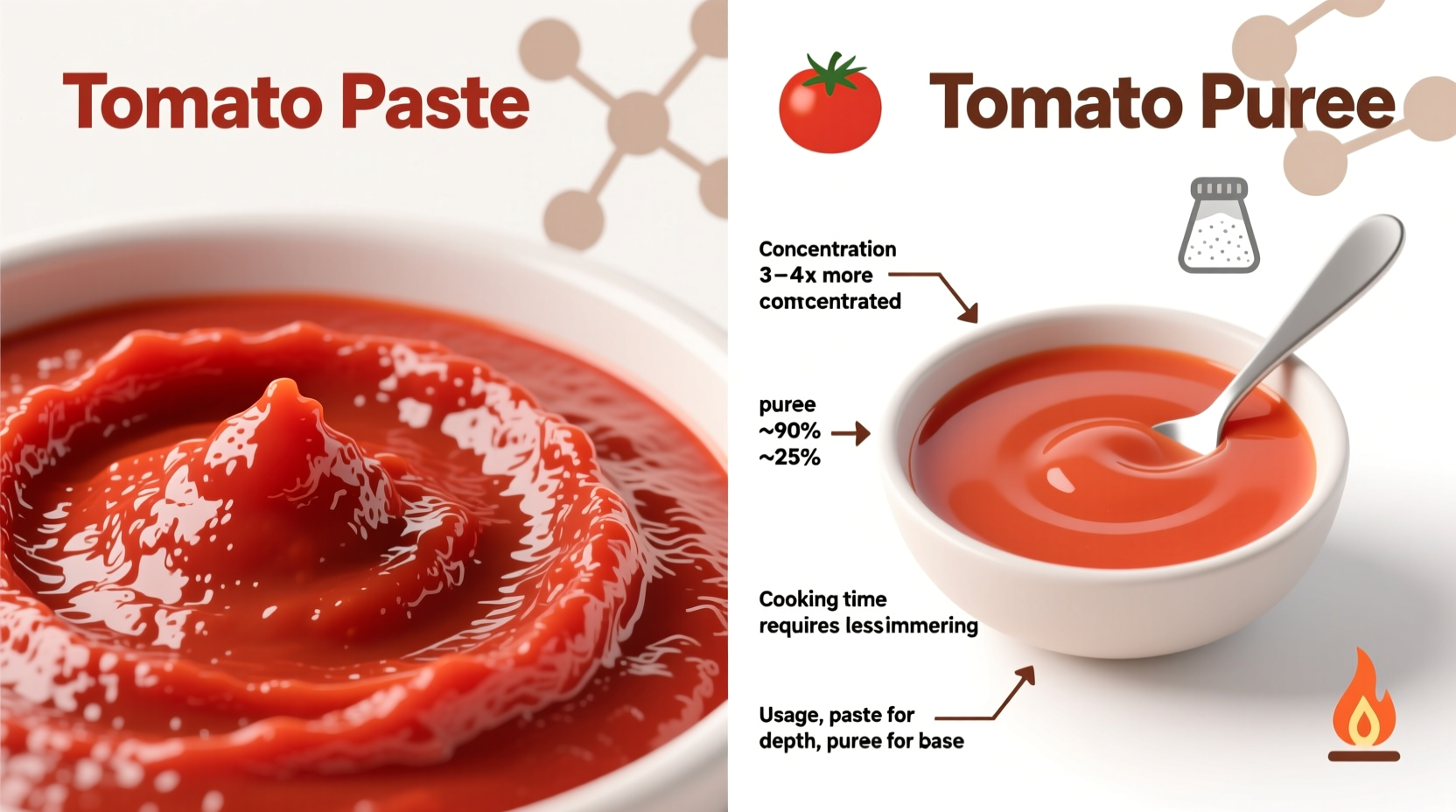
At their core, both products start with cooked tomatoes, but the key difference lies in concentration. Tomato paste is essentially tomatoes that have been cooked down for hours and strained to remove seeds and skins, resulting in a thick, deep-red spread. Think of it as intense tomato flavor in a tube or can. Puree, on the other hand, is a smoother, thinner liquid—think of a very thick tomato juice that has been lightly processed. A common variation you might recognize is passata, which is an uncooked, sieved tomato puree often sold in jars. Paste is the heavyweight champion of flavor; puree is the light, versatile middleweight.
Understanding this distinction transforms how you approach cooking. For example, if you’re making a quick spaghetti sauce and you add paste straight from the can, you’ll get a punch of roasted sweetness that puree alone can’t provide. But if you use puree for a tomato soup, you get a velvety, smooth base without the heavy, concentrated intensity. Many home cooks mistakenly use them interchangeably, resulting in a sauce that’s either too thick and sweet (using paste) or too watery and acidic (using puree). The simple trick is to read the label for the solids percentage: paste typically has around 24%–30% tomato solids, while puree hovers around 10%–15%.
Must Read
So, what’s the best way to use each? For everyday cooking, keep a tube of tomato paste in your fridge. A spoonful can deepen the flavor of chili, lentil soup, or braised meats almost instantly. For puree, use it as a neutral base for sauces, soups, or even as a quick pizza sauce when mixed with herbs. A great actionable tip is to “bloom” your tomato paste: cook it in a little oil for one to two minutes before adding liquid. This caramelizes the sugars, unlocking a richer, nuttier taste that puree can’t achieve. If a recipe calls for puree and you only have paste, simply whisk a tablespoon of paste with two tablespoons of water until smooth—a handy substitution.
 Tomato Paste vs Puree: Key Differences Explained (Not the Same!)
For those who love meal prep, here’s a game-changer: freezing leftover tomato paste. Since most recipes call for just a spoonful, and the rest goes bad quickly, scoop the leftover paste onto a parchment-lined tray in teaspoon-sized dollops. Freeze them, then pop the little “paste pills” into a bag. Now you have ready-to-use portions for months. Similarly, if you have extra puree, you can freeze it in ice cube trays—each cube is about two tablespoons, perfect for adding instant body to a quick curry or stew without opening a new can.
Ultimately, the answer is clear: no, tomato paste and puree are not the same, but they are wonderful partners. Paste is the concentrated star for building depth; puree is the gentle backbone for smooth, balanced dishes. The next time you’re in the kitchen, remember that choosing the right one is a small act of attention that pays off in big flavor. Whether you are a curious beginner or a seasoned cook, mastering this simple distinction turns a mundane decision into a moment of culinary confidence.