Is There Marrow In Chicken Bones

For many home cooks and culinary enthusiasts, the simple act of simmering a chicken carcass to create a rich, golden broth is a deeply satisfying ritual. It evokes memories of...
For many home cooks and culinary enthusiasts, the simple act of simmering a chicken carcass to create a rich, golden broth is a deeply satisfying ritual. It evokes memories of cozy kitchens, healing soups, and the fundamental comfort of nourishment from scratch. The question, however, often arises: is there actually marrow inside those slender chicken bones, the same prized substance we savor in beef shanks? Understanding the answer unlocks a deeper appreciation for what makes chicken stock so uniquely beneficial.
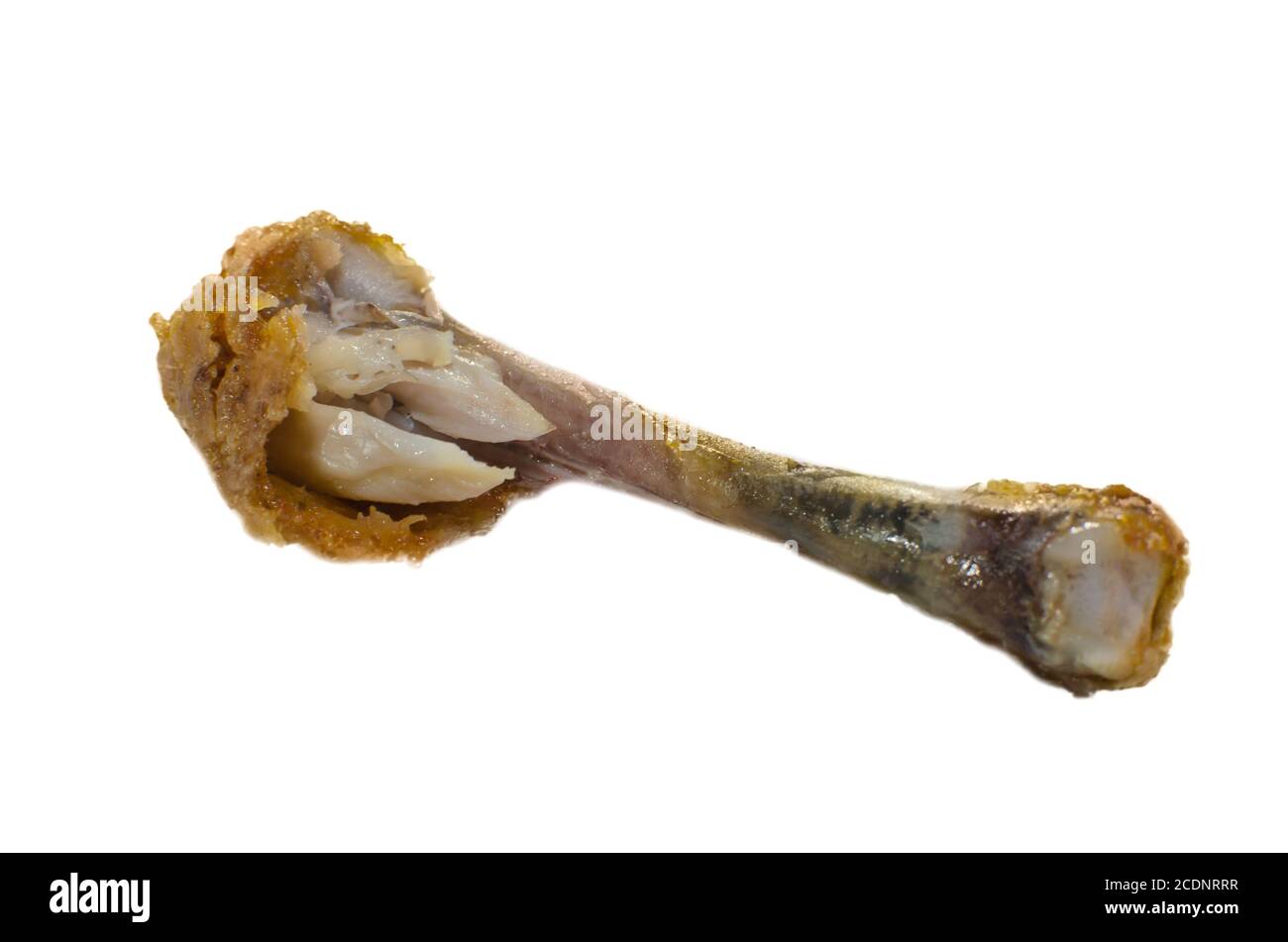
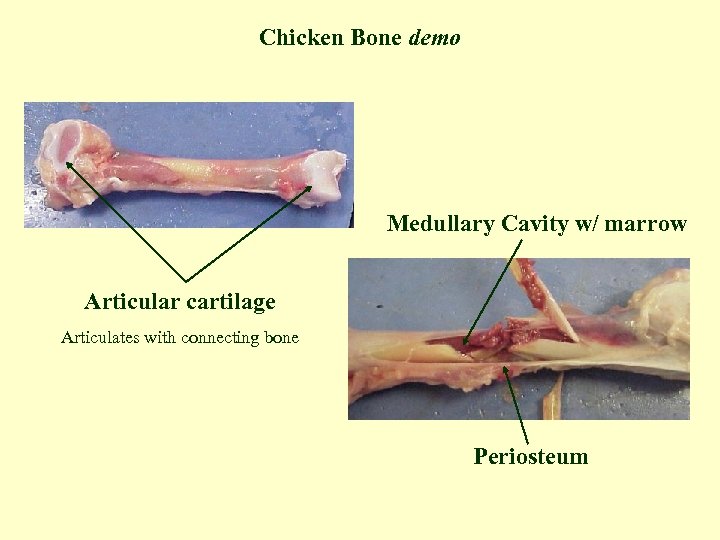
The short answer is yes, chicken bones do contain marrow, but it is very different from the thick, fatty, and often gelatinous marrow found in large beef or veal bones. Chicken marrow is much more delicate, softer, and more diffuse. Rather than forming a solid, waxy core, it occupies the thin, porous cavities of the leg and thigh bones, and to a lesser extent, the wing bones. Its primary purpose is to produce red and white blood cells—a vital function for the living bird. When you simmer chicken bones, this fragile marrow emulsifies into the liquid, contributing flavor, body, and a wealth of nutrients rather than remaining as a distinct, spoonable substance.
The key benefit of chicken bone marrow in your everyday life lies in its extraordinary contribution to health and culinary depth. The marrow is rich in collagen, gelatin, and essential minerals like calcium, magnesium, and phosphorus. When broken down, collagen becomes gelatin, which gives a properly made chicken stock that silky, almost velvety texture that clings to your lips. This gelatin supports joint health, skin elasticity, and gut integrity. Beyond the physical benefits, a bowl of marrow-rich chicken broth is a cornerstone of comfort food. Imagine a rainy evening, a hint of a cold coming on, and you sip a mug of hot, savory broth—the marrow’s umami depth and minerals provide a sense of grounding and healing that a simple bouillon cube can never replicate.
Must Read
Consider a practical scenario: making a classic chicken noodle soup. If you use boneless, skinless chicken breasts and water, the result is a thin, watery soup lacking depth. But when you use a whole chicken or a mix of legs and backs—bones and all—and simmer them for hours, you are extracting that precious marrow. The resulting broth is opaque, golden, and dense with flavor. The noodles soak up the gelatinous liquid, making each spoonful more satisfying and robust. Another scenario: a simple risotto. Replacing plain water or stock made from cubes with a homemade chicken stock infused with marrow adds an undeniable roundness and richness to the dish, elevating it from good to restaurant-quality, all from what was once considered kitchen waste.
To explore the benefits of chicken bone marrow yourself, start with a simple practice: save your bones. After roasting a chicken, don’t discard the carcass. Place it in a large pot, cover it with cold water, and add a splash of apple cider vinegar. The vinegar helps draw minerals from the marrow and bones. Add aromatics like an onion, carrots, and celery for extra flavor. Begin your simmer gently—a low, steady bubble, never a rolling boil, which can cloud the stock and break down the gelatin too aggressively.
 Finding Chicken Feet And Bone Marrow Bones: A Guide | CyChicken
Your second tip is to respect the cooking time. While veal bones benefit from 12–24 hours, chicken bones usually give up their best marrow and collagen in 4 to 6 hours. Over-simmering can make the stock bitter and break down the gelatin too much. For a richer flavor, roast the bones at 400°F (200°C) for 30 minutes before simmering. The browning creates deep, caramelized notes that complement the marrow’s delicate flavor beautifully. Finally, always let your finished stock cool completely. You’ll often see a firm, wobbly gel form on top—that is the unmistakable signature of successful marrow and collagen extraction. It is a tangible reward for your patience.
In conclusion, while you won't find a piece of marrow to spread on toast, chicken bones absolutely contain marrow that is fundamentally transformative for both health and cooking. It is the unsung hero behind a stunningly good broth, a secret that turns simple ingredients into profound nourishment. Understanding this shifts a cook’s perspective from seeing bones as waste to treasuring them as a source of life and flavor. Next time you finish a chicken, think of the marrow waiting within, ready to enrich your next pot of soup, braise, or sauce. It is a small, simple practice that connects us to the oldest traditions of cooking—making the most of every part and finding depth in the ordinary.