Is There A Weight Limit For Disney World Rides

So, you’ve booked your trip to Disney World, and you’re already mentally tasting a Dole Whip while battling a swarm of screaming children. But then a dark thought creeps in, r...
So, you’ve booked your trip to Disney World, and you’re already mentally tasting a Dole Whip while battling a swarm of screaming children. But then a dark thought creeps in, right between “Where’s my Mickey bar?” and “I need to sit down.” Is there a weight limit for Disney World rides? You imagine some stern cast member with a tape measure and a scale, publicly banishing you to the “It’s a Small World” exit for eternity. Relax. It’s not that scary, but it’s also not that simple. Let’s waddle into the truth, shall we?
First, the short answer: Disney doesn’t have a published, universal weight limit. You won’t find a sign that says “No guests over 280 pounds allowed.” Instead, they have a sneaky, back-alley system of restraint clearance. Think of it as the “check engine” light for your body. The ride doesn’t care if you weigh 150 or 350 pounds; it cares if the lap bar can click into place within a specific, unforgiving zone. If your belly or thighs politely refuse to let that bar snap down to the required “safety indicator,” you’re not riding. It’s the physics of fun, and physics is a jerk.
Here’s where it gets weird: Disney uses test seats outside many major rides. They look like a choir chair designed by a sadist. You sit down, pull the restraint down, and pray for a click that sounds like a cash register. But here’s the secret: those test seats are not the final word. They are the rude bouncer at the club entrance. A cast member on the actual ride might have a magic touch, a different angle, or a secret shove technique that gets you locked in. I’ve seen a 6’4” guy with legs like tree trunks struggle with the test seat, only to board the ride like a champion. Always ask a live human before you surrender to shame.
Must Read
The Unspoken VIP List: Which Rides Are the Worst?
Let’s be brutally honest: Seven Dwarfs Mine Train is the skinny-jeans of Disney rides. It’s adorable, but it squeezes. This coaster uses individual lap bars that lock over your thighs, and if you carry weight in your middle or have thick thighs, it can be a struggle. Flight of Passage, the Avatar simulator you waited four hours for, is also a notorious culprit. You sit on a “banshee” that requires you to press your back against a massive sensor while a leg restraint hugs your calves. Guests with larger waists or broad shoulders often find the back-sensor won’t make contact. The ride will literally say “No” via flashing red lights. Humiliating? Yes. Avoidable? Sometimes, with a strategic seat adjustment.
Now, the surprising part: Tall people often have more trouble than wide people. Space Mountain, for example, has a lap bar that needs to rest a certain distance from your knee. If you have long femurs, your knees might hit the front of the vehicle before the bar can click. Big Thunder Mountain Railroad is usually forgiving for larger bodies, but Guardians of the Galaxy: Cosmic Rewind? That one is a mystery box. The shoulder harnesses are tight, but the leg room is generous. It’s a gamble. The real villain, however, is the Mad Tea Party. No joke. If you are a tall person or a larger person, the teacup spinner seats are about as comfortable as a toddler’s backpack.
 Printables Archives - HeyDisMoms
How to Survive the Shame Spiral
So, what do you do if you’re a “plus-sized” adventurer? You become a spy. Go online and watch YouTube videos of people with similar body types riding specific attractions. Look for “plus size Disney” videos. These are your people. They reveal which rides hate broad shoulders (Looking at you, Rock ‘n’ Roller Coaster) and which ones welcome a beer belly like a long-lost friend (hello, Haunted Mansion). Also, ask for the “modified” or “guest accessibility” seat. On rides like Expedition Everest, they have a row with a single lap bar for the whole car, which gives your midsection more freedom. Cast members know these secrets. They just need you to ask.
Here’s another pro tip: Dress like you’re going to a yoga class for sumo wrestlers. Avoid belts, thick shorts, or anything with high waistbands. A loose shirt and stretchy shorts can add an extra inch of clearance. And for the love of all that is fried dough, empty your pockets. A phone and a wallet in your front pocket can push your thighs forward just enough to stop that lap bar click. I once saw a man remove a can of soda from his cargo pocket and magically fit. The restraint clicked. The crowd cheered. Well, I cheered. He cried.
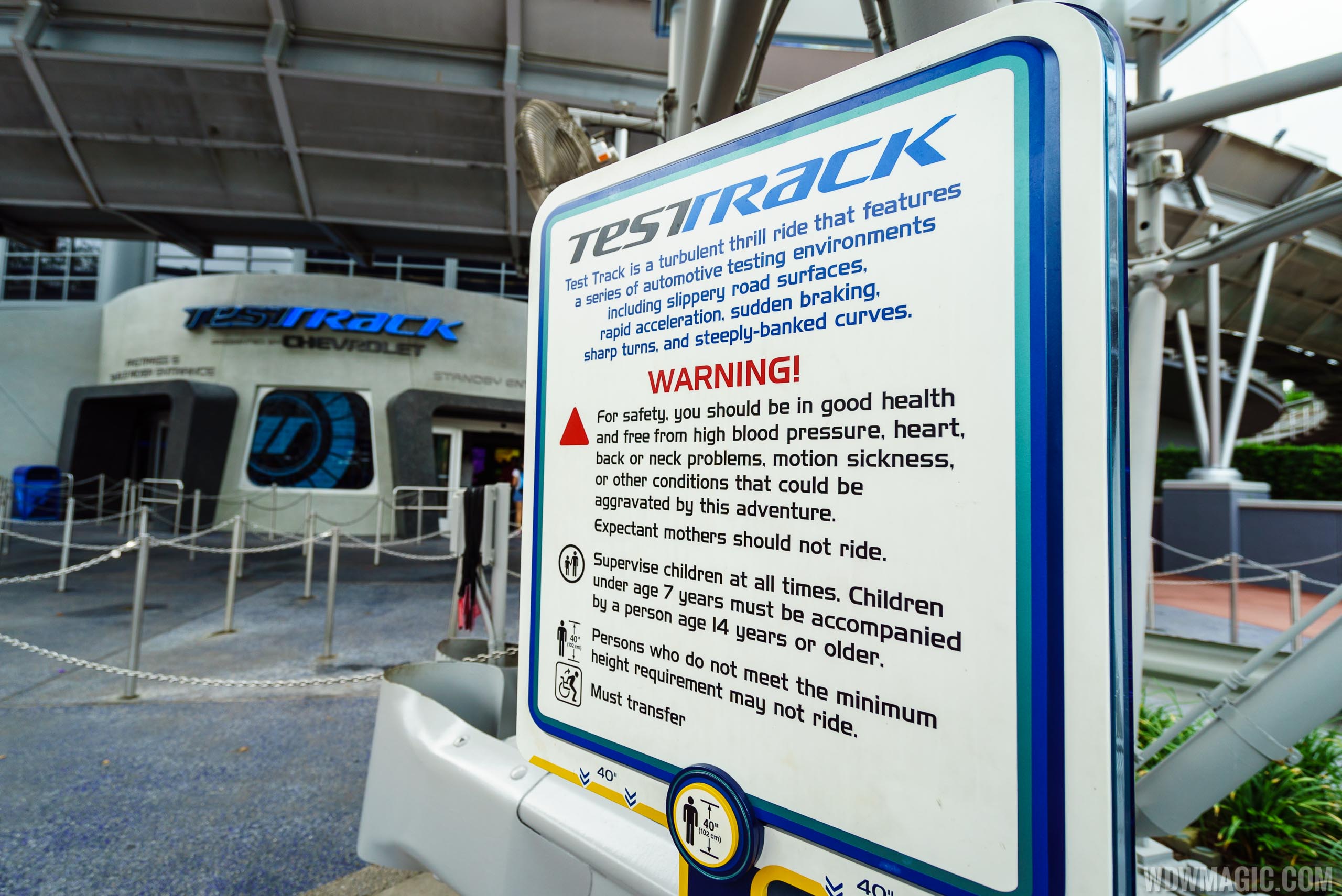 Height and Age Restrictions for Every Ride at Walt Disney World
The Final Truth: Disney Wants Your Money
Let’s be real for a second. Disney World is a business that wants every single butt in a seat. The official policy is: “Guests must be able to maintain an approved riding position.” That’s legal-speak for “we can’t publish a number because we’d get sued.” They know that body shapes are weird. A 250-pound bodybuilder might not fit, while a 300-pound couch potato slides in perfectly. The upshot? Don’t starve yourself before your trip. If you’re worried, go to the ride entrance 15 minutes before closing (when lines are short) and test a seat without an audience. You can slink away in peace if it doesn’t work.
And here’s the weirdest fact of all: Weight limits are indirectly enforced by your lap bar’s “indicator light.” It’s binary. Green means you’re going to space. Red means you’re walking of shame. But I’ve seen a cast member press on a lap bar with all their body weight to get that light to turn green. It’s a silent partnership of hope. So no, there’s no weight limit stamped on Mickey’s forehead. But there is a limit to how much physics can forgive. If you can sit, click, and stop vibrating with terror, you’re golden. Just don’t eat three churros before you test the Seven Dwarfs Mine Train. Trust me. That’s a level of physics even Walt couldn’t fix.
