Is There A Magic Pill For Weight Loss

Ever found yourself scrolling through Instagram, drooling over someone's beach bod, and thought, "Where's my magic pill?!" We've all been there, right? But hold your horses, b...
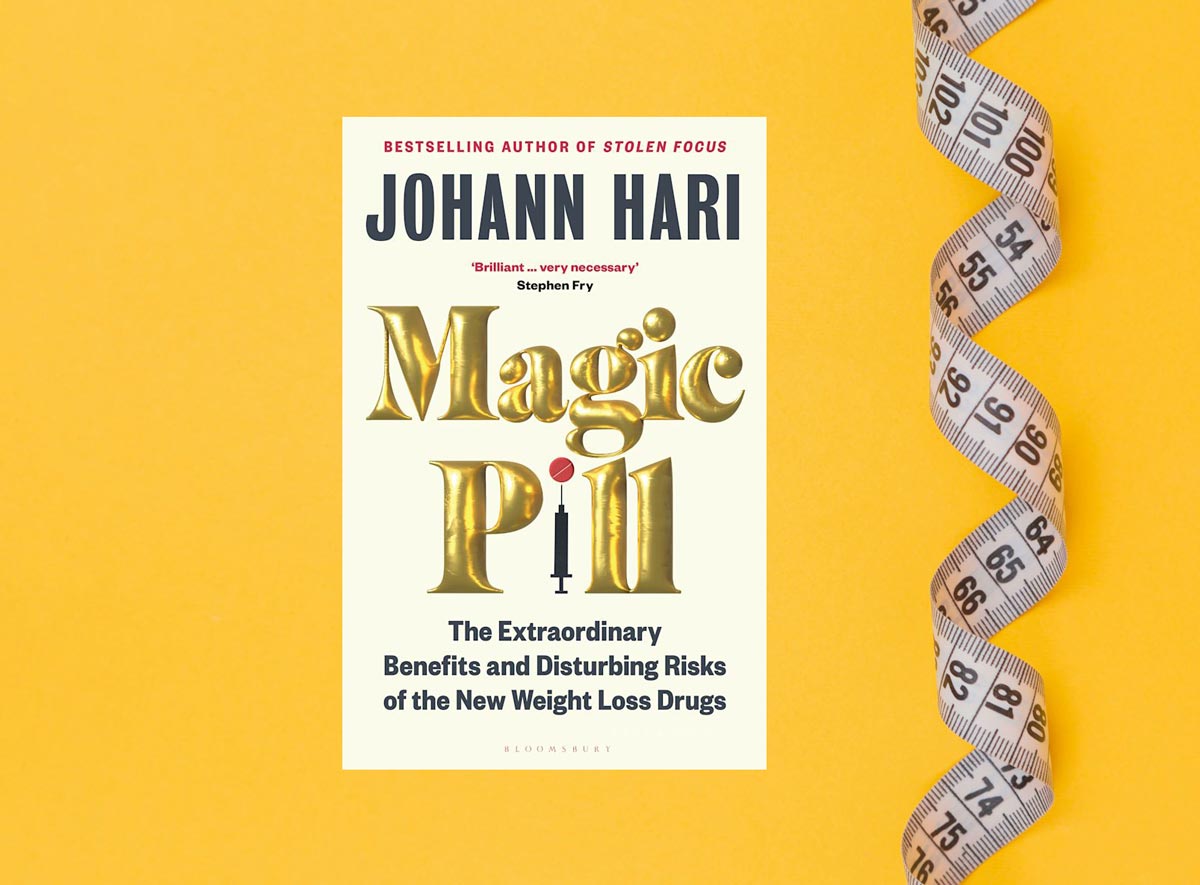
Ever found yourself scrolling through Instagram, drooling over someone's beach bod, and thought, "Where's my magic pill?!" We've all been there, right? But hold your horses, because the world of weight loss isn't quite as simple as popping a pill and watching the pounds disappear.
So, What's the Deal with These 'Magic Pills'?
You've probably heard whispers of these so-called 'magic pills' - drugs that promise to melt away fat, suppress appetite, or boost metabolism. Sounds too good to be true, right? Well, that's because it usually is. The FDA has approved a handful of weight loss drugs, but none of them are a one-size-fits-all solution. And spoiler alert: they all come with a side of potential unpleasant side effects.
Meet the Fat Fighters
Let's meet a few of these 'fat fighters'. There's Orlistat, which blocks about 25% of the fat you eat from being absorbed. Sounds great, right? But it also comes with a side of, ahem, digestive issues. Then there's Phentermine, which works by stimulating your brain to reduce appetite. It's like a little cheerleader in your head, shouting "You got this, champ!" But it can also cause jitteriness and insomnia. And let's not forget Bupropion and Naltrexone, a combo drug that's shown some promise in helping people lose weight. But it's not without its own set of potential side effects, like nausea and headaches.
Must Read
And here's where it gets even more interesting. Some of these drugs have been around for decades, but they're still not a magic solution. Why? Because weight loss is a complex beast, influenced by a gazillion factors - from our genes and hormones to our environment and lifestyle. It's not just about popping a pill; it's about making sustainable changes to our diet and exercise habits.
Enter: The 'Fat Burners'
Now, let's talk about 'fat burners'. These are supplements that claim to boost metabolism and help you lose weight. They're big business, with the global market projected to reach $24.5 billion by 2027. But here's the thing: most of these supplements are under-researched, and many contain ingredients that could interact with other medications or have side effects. Plus, the FDA doesn't regulate supplements like it does drugs, so you can't always trust what's on the label.
But wait, there's more! Some 'fat burners' contain stimulants like caffeine or synephrine, which can boost energy and metabolism. But they can also cause anxiety, insomnia, and even heart problems in some people. And let's not forget about the potential for these supplements to be contaminated with dangerous ingredients, like heavy metals or pesticides.
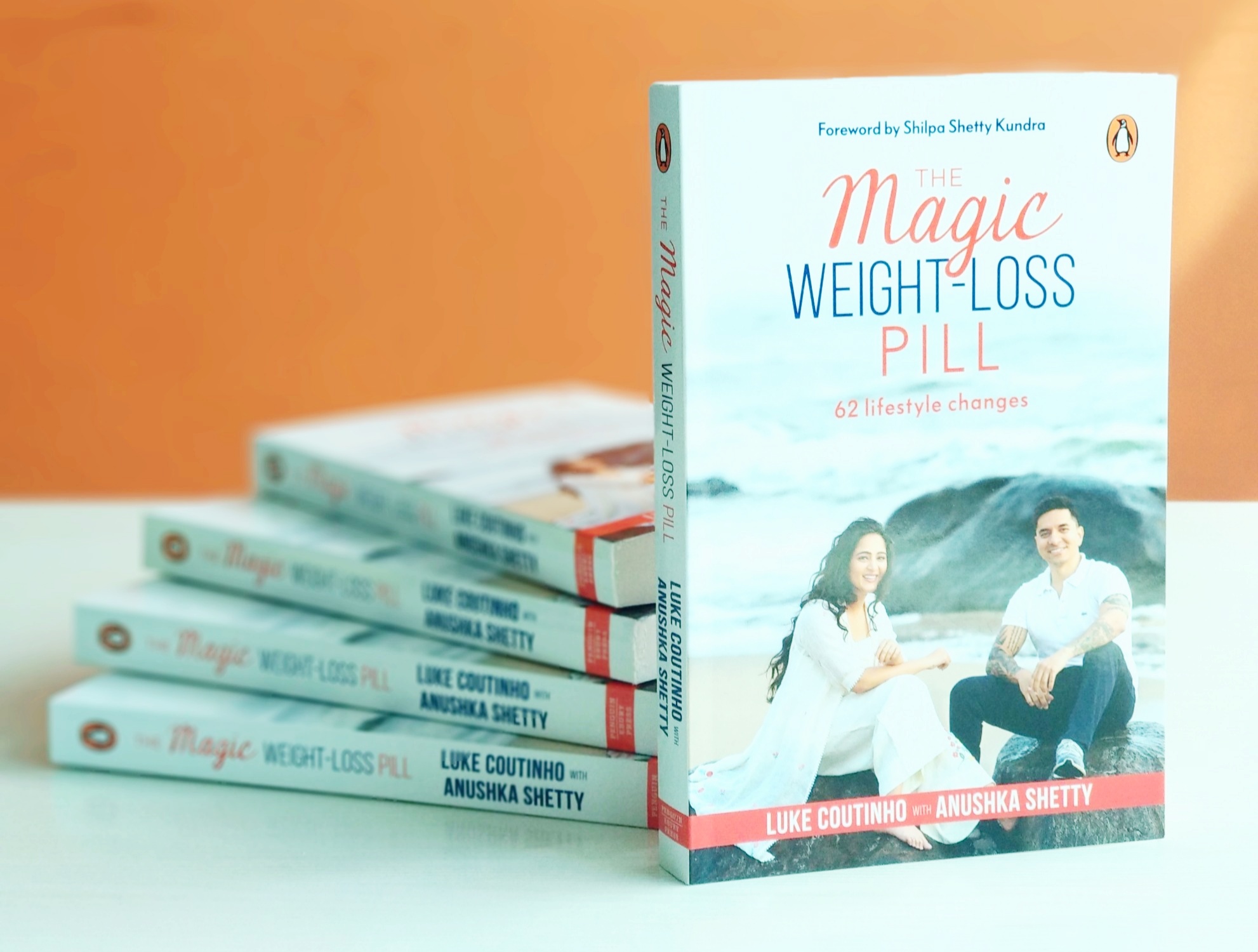 The Magic Weight Loss Pill - Here's all you Need to Know About it
Quirky Fact: The 'Fat Burner' That Wasn't
Remember ephedra? It was all the rage in the '90s and early 2000s, with athletes and bodybuilders swearing by its fat-burning powers. But then the FDA stepped in, after receiving reports of serious side effects, including heart attacks and strokes. Turns out, ephedra wasn't the magic fat burner it was cracked up to be. In fact, it was more like a ticking time bomb. Scary stuff, huh?
So, Where Does That Leave Us?
Well, it's time to face the facts: there's no such thing as a magic pill for weight loss. Sorry to burst your bubble. But here's the good news: there are plenty of evidence-based strategies that can help you reach your weight loss goals. Like, you know, eating a balanced diet and moving your body in ways that you enjoy. Boring, right? But effective.
And hey, if you're thinking about trying a weight loss drug or supplement, always chat with your doc first. They can help you weigh the pros and cons, and make sure it's safe for you. Because at the end of the day, your health is no joke. And neither is your quest for a beach-ready bod. So, let's get out there and make some sustainable changes, shall we?
