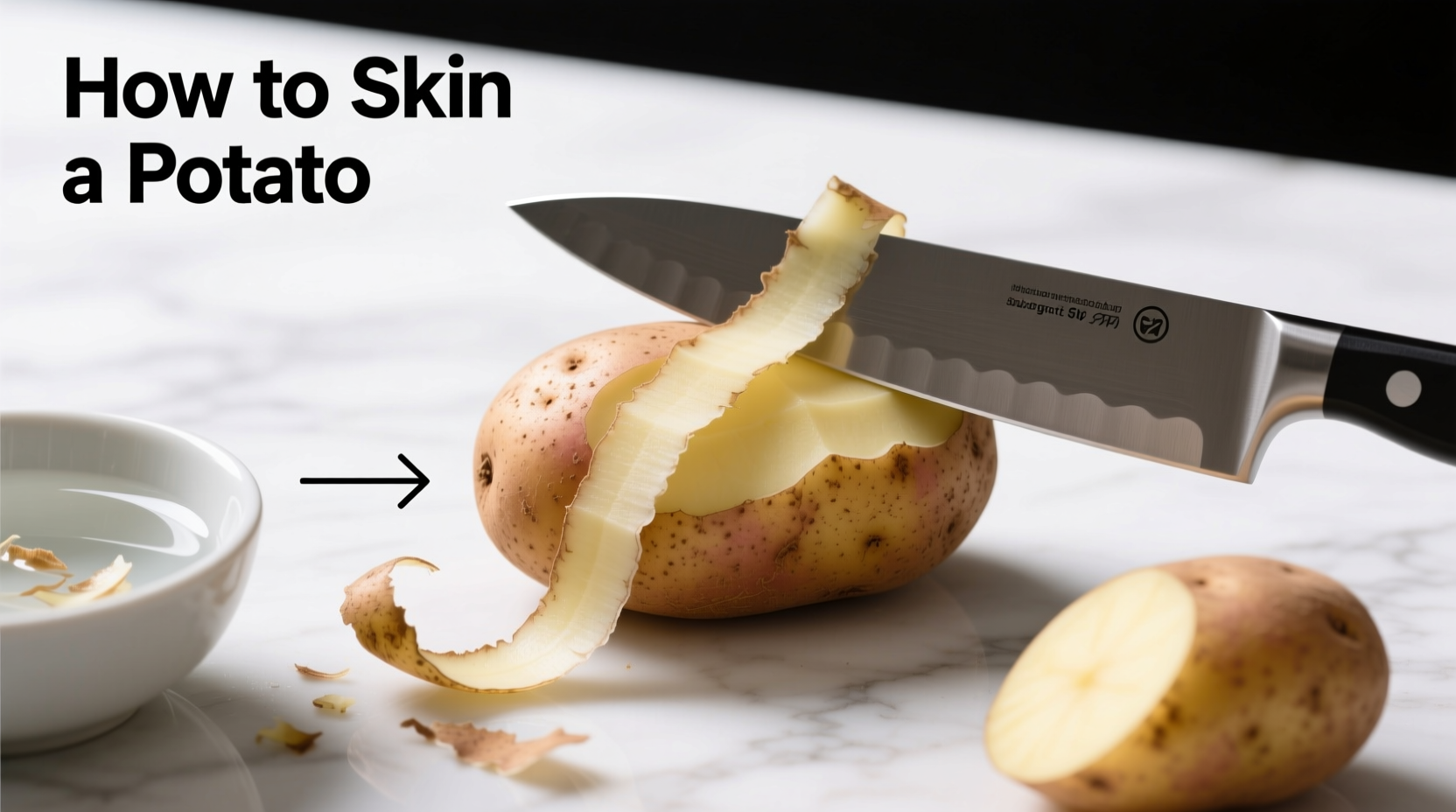
Is The Skin Of The Potato Good For You

Potatoes are one of the most popular and widely consumed vegetables on the planet. Whether you are mashing them, roasting them, or frying them, chances are you have grabbed a...
Potatoes are one of the most popular and widely consumed vegetables on the planet. Whether you are mashing them, roasting them, or frying them, chances are you have grabbed a potato recently. But here is a question that many home cooks quietly wonder: should we actually be leaving the skin on? In many households, peeling potatoes is just second nature, but the skin itself might hold surprising benefits that make you rethink your routine.
The skin of a potato is absolutely packed with nutrients. It contains a significant amount of fiber, which supports healthy digestion and helps you feel full longer. It also carries important minerals like potassium, iron, and magnesium, along with vitamins such as vitamin C and B6. When you peel a potato, you are essentially throwing away a large part of its nutritional value. For families trying to eat healthier on a budget, keeping the skin intact is a simple and smart choice.
Beyond personal health, storing the skin on potatoes can benefit entire households and communities by reducing food waste. Every time a household decides to use the whole potato, they cut down on scraps and make the most of what they buy. In larger communities or organizations that prepare meals for many people, this small shift in habits can add up to a noticeable impact on reducing unnecessary waste. It is a small change with a potentially meaningful ripple effect.
Must Read
Think about real-life examples that many people already enjoy. Russian rye recipes, loaded baked potato skins, and rustic home fries are all classic dishes that proudly celebrate the potato skin. In many Irish and Peruvian households, potatoes are traditionally cooked whole with their skins left right on. Street vendors in Latin America often serve papas con cáscaras that customers devour without ever realizing they are eating the skin, because it becomes crispy and irresistible once properly seasoned and roasted.
You might wonder how to safely keep the skin on and still enjoy your potatoes. The key is good washing and scrubbing. Always rinse potatoes thoroughly under running water and use a vegetable brush to remove any dirt or residue. If the skin feels rough or green in certain spots, those areas should be removed because green potatoes can contain solanine, a natural compound that is not safe in high amounts. For beginners, try starting with roasted or baked recipes where the skin becomes pleasantly crispy rather than chewy.
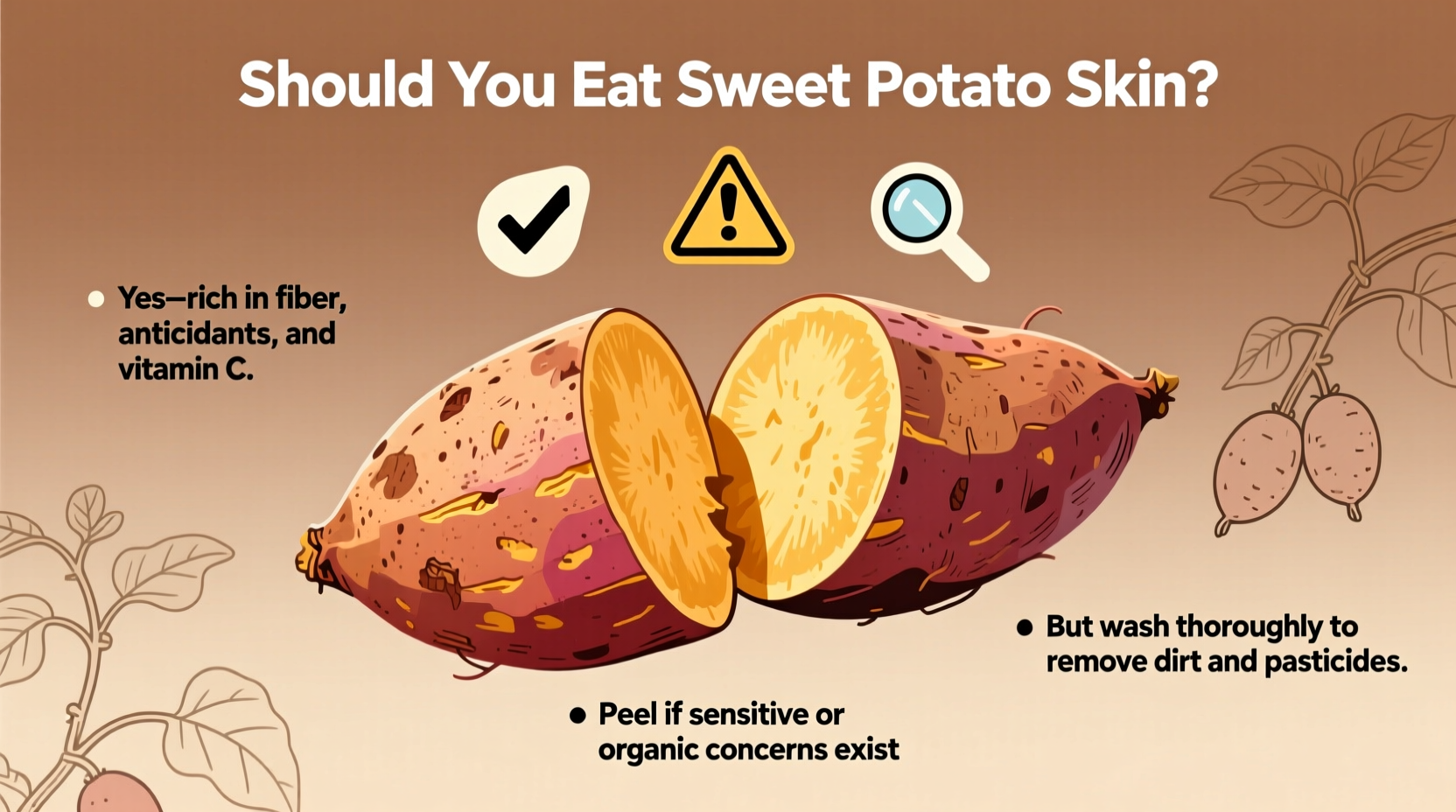 Eating Sweet Potato Skin: Safety, Benefits, and When to Avoid
Here are a few practical tips to help you start enjoying potato skins every day. First, make a habit of choosing organic potatoes when possible, since you are eating the outer layer directly. Second, try adding potatoes with skins to soups, stews, and casseroles for extra texture and nutrition. Third, experiment by making homemade potato chips with thin slices that keep the skin intact, letting them crisp up beautifully in your oven. Fourth, share the idea with friends and family so everyone benefits from the added nutrients and reduced waste. You will be surprised how quickly this simple change becomes part of your normal cooking style.
So, is the skin of the potato good for you? The answer is a confident yes. It is one of the most accessible and inexpensive sources of fiber and essential minerals sitting right on your kitchen counter. For individuals, it means better nutrition without spending extra. For families, it means healthier meals that require less time and effort. For communities, it means less waste and more mindful eating. The next time you reach for a peeler, pause for a moment and consider whether you really need to peel at all. By simply keeping the skin on, you are choosing a healthier, easier, and more sustainable way to enjoy one of the world's greatest comfort foods. Small decisions like this one truly add up to something remarkably positive over time.