Is Tea Considered A Clear Liquid Before Surgery

For many, the day does not truly begin until the warmth of a freshly brewed cup of tea touches their lips. It is a ritual of comfort, a moment of quiet reflection, or a gentle...
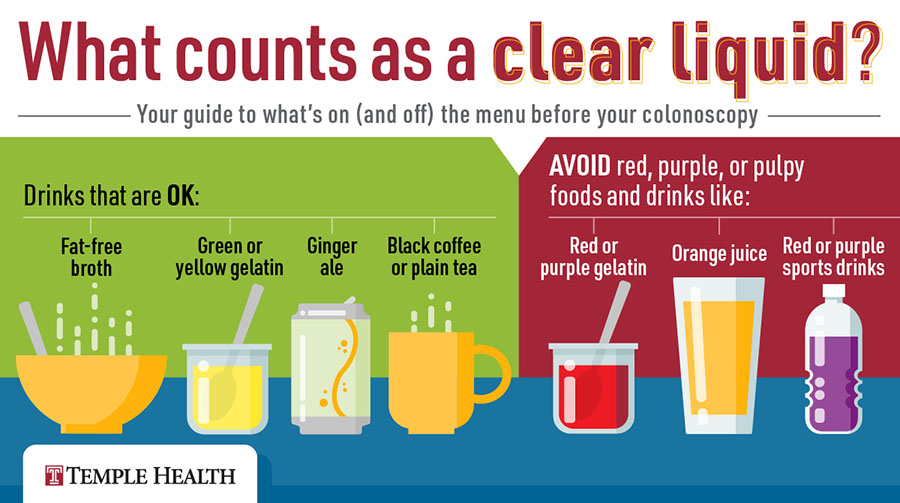
For many, the day does not truly begin until the warmth of a freshly brewed cup of tea touches their lips. It is a ritual of comfort, a moment of quiet reflection, or a gentle boost of energy. People savor tea for its variety—from the smoky depths of Lapsang Souchong to the floral notes of jasmine. Beyond pleasure, tea is valued for its ability to hydrate, provide antioxidants, and offer a mindful pause in a hectic schedule. Whether it is a morning cup to wake the senses or an afternoon brew to rejuvenate focus, tea is a cherished companion to daily life. However, when a person faces surgery, this simple comfort is suddenly questioned by a critical medical rule: the clear liquid fast.
The key purpose of the clear-liquid restriction before surgery is to ensure patient safety. Anesthesia can relax the muscles that prevent stomach contents from entering the lungs—a dangerous condition known as aspiration. Clear liquids, defined as fluids you can see through at room temperature, are allowed up to two hours before surgery because they leave the stomach quickly. This rule aims to balance the need for an empty stomach with the risk of dehydration. Understanding this medical purpose helps explain why tea, a beloved everyday beverage, must be evaluated with strict clinical criteria rather than personal preference.
In everyday life, tea offers remarkable benefits that go beyond simple refreshment. A cup of green tea can provide a calm yet alert state of mind, thanks to the combination of L-theanine and caffeine. Herbal teas like chamomile can soothe an anxious stomach, while peppermint tea aids digestion after a heavy meal. For example, a student studying for exams might rely on black tea to sharpen concentration, while a parent winding down after a long day turns to rooibos for its gentle, caffeine-free warmth. These everyday scenarios highlight why tea is so valued—it adapts to our physical and emotional needs with elegance.
Must Read
But when preparing for surgery, the question arises: Is tea considered a clear liquid? The answer depends on what is in the tea. Plain, clear tea—such as black, green, or herbal tea brewed without milk, cream, honey, or sugar—is generally allowed as a clear liquid. However, any additions that make it opaque or cloudy, like milk or cream, categorize it as a “full liquid” or even semi-solid. These cloudy liquids take longer to leave the stomach and pose a higher risk during anesthesia. Therefore, the simple rule is: if you can still see through the tea clearly at room temperature, it may be permissible—but always confirm with your surgeon or anesthetist first.
A common scenario illustrates the potential confusion: imagine a patient who typically drinks chai tea with milk each morning. On the morning of surgery, they might assume any tea is fine, but the milk makes it not a clear liquid. Alternatively, a person who enjoys a cup of strong English breakfast tea with a dash of milk might be tempted to skip the milk, not realizing that even a tiny amount can cloud the liquid. The safest approach is to stick to plain, clear water or, if tea is absolutely preferred, choose a transparent, unadulterated brew—like a pure chamomile or clear green tea—and drink it only within the two-hour window recommended by your medical team.
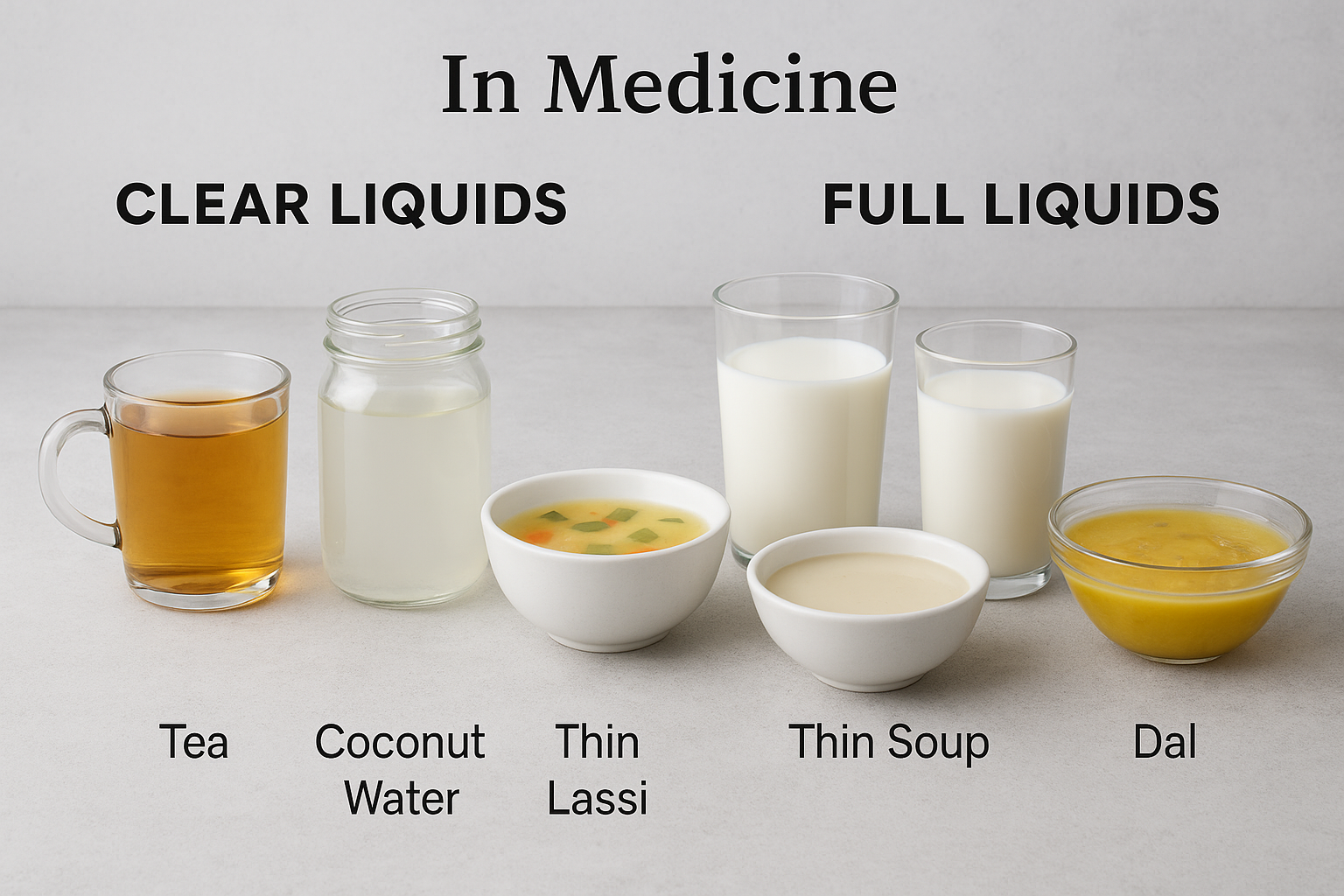 What Food Counts as Liquid – And Why That Even Matters - Best
To explore this topic on your own, consider these simple tips. First, always read labels on packaged tea bags—some include powdered milk or flavorings that can cloud the liquid. Second, test your tea at home by pouring a cup and holding it up to the light; if you cannot see through it (like a normal glass of water), it is not clear. Third, ask your surgeon or anesthesiologist directly about their specific protocol, as some hospitals have stricter rules. Finally, remember that herbal teas like peppermint or ginger (without sweeteners) are often safer bets than black teas, which may have natural oils that some clinicians consider borderline. The goal is to prioritize your safety while still respecting your personal comforts.
Ultimately, the question of tea before surgery is a microcosm of the balance between routine and risk. While tea enriches our daily lives with warmth, ritual, and healthful compounds, its role in a preoperative fast is governed by strict medical necessity. The clear-liquid rule exists to protect you from a rare but serious complication. So, while you may enjoy your tea rituals every other day, the day before surgery is a time to follow instructions with exact care. A short period of discomfort—skipping that favorite brew—is a small price to pay for a safe procedure and a smooth recovery. After surgery, you can once again celebrate each cup as a symbol of normalcy and renewal.

