Is Tamari The Same As Tamarind

Welcome, culinary explorers and curious food lovers! Have you ever stood in the international aisle of a grocery store, a bottle of tamari in one hand and a jar of tamarind pa...
Welcome, culinary explorers and curious food lovers! Have you ever stood in the international aisle of a grocery store, a bottle of tamari in one hand and a jar of tamarind paste in the other, wondering if you could just swap one for the other to save a few bucks? It’s a surprisingly common mix-up, and getting it right is the difference between a savory umami explosion and a sweet-and-sour tango. This isn’t just a trivia question—it’s a flavor life-hack that can rescue a recipe or unlock a whole new world of taste. By the end of this read, you’ll never confuse them again, and you’ll have the confidence to use both like a pro. So, let’s untangle this tongue-twisting duo and have some fun with food science!
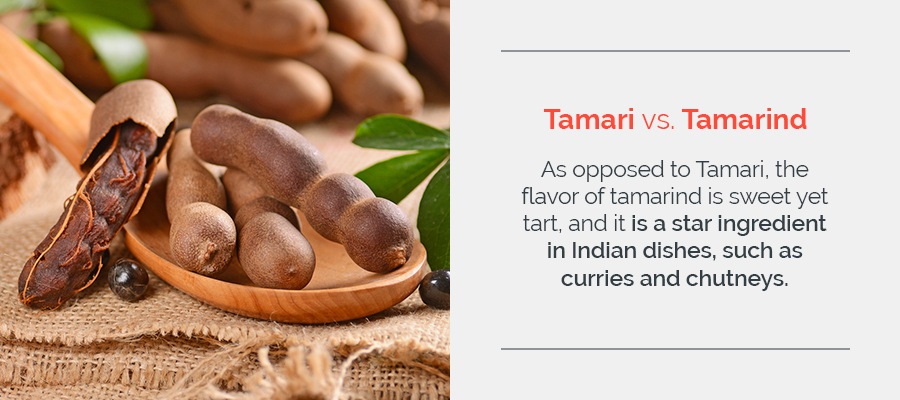
Let’s start with the big reveal: No, tamari and tamarind are absolutely not the same thing. Think of it like mistaking a violin for a ukulele—both make music with strings, but one is deep and savory, the other bright and zingy. Tamari is a Japanese soy sauce, typically made from fermented soybeans with little to no wheat, making it naturally gluten-free. It’s salty, rich, and umami-packed, perfect for drizzling over sushi or stirring into stir-fries. Tamarind, on the other hand, is a tropical tree fruit—specifically, the sticky, brown pulp from the tamarind pod. It tastes like a sour, tangy, sweet fruit with notes of lemon, date, and apricot. Imagine a lemon drop candy that went to a farmers market: that’s tamarind. One is a sauce, the other is a fruit paste, and swapping them in a recipe would be like using ketchup where you need apricot jam—it’s a train wreck waiting to happen.
Here’s where it gets creative: the confusion actually gives you a chance to play mad scientist in the kitchen. Imagine you’re making a batch of Thai pad thai. The authentic recipe calls for tamarind paste to provide that signature sweet-sour backbone. But you’re out of tamarind and only have tamari? Don’t do it! You’d end up with a salty noodle mess. Instead, think of tamari as a perfect swap for soy sauce in any dish that needs a deep, savory kick—like a teriyaki glaze or a marinade for tofu. Tamarind shines in chutneys, marinades, and beverages where you want a fruity, lip-puckering sourness. For a fun fusion twist, try mixing a teaspoon of tamari with a tablespoon of lime juice and a pinch of brown sugar. That’s your poor man’s tamarind substitute in a pinch! Or, go the other way: add a dab of tamarind paste to a classic tamari-based miso soup for a surprising tart lift. The lesson? Embrace their differences to create unexpected flavor combos.
Must Read
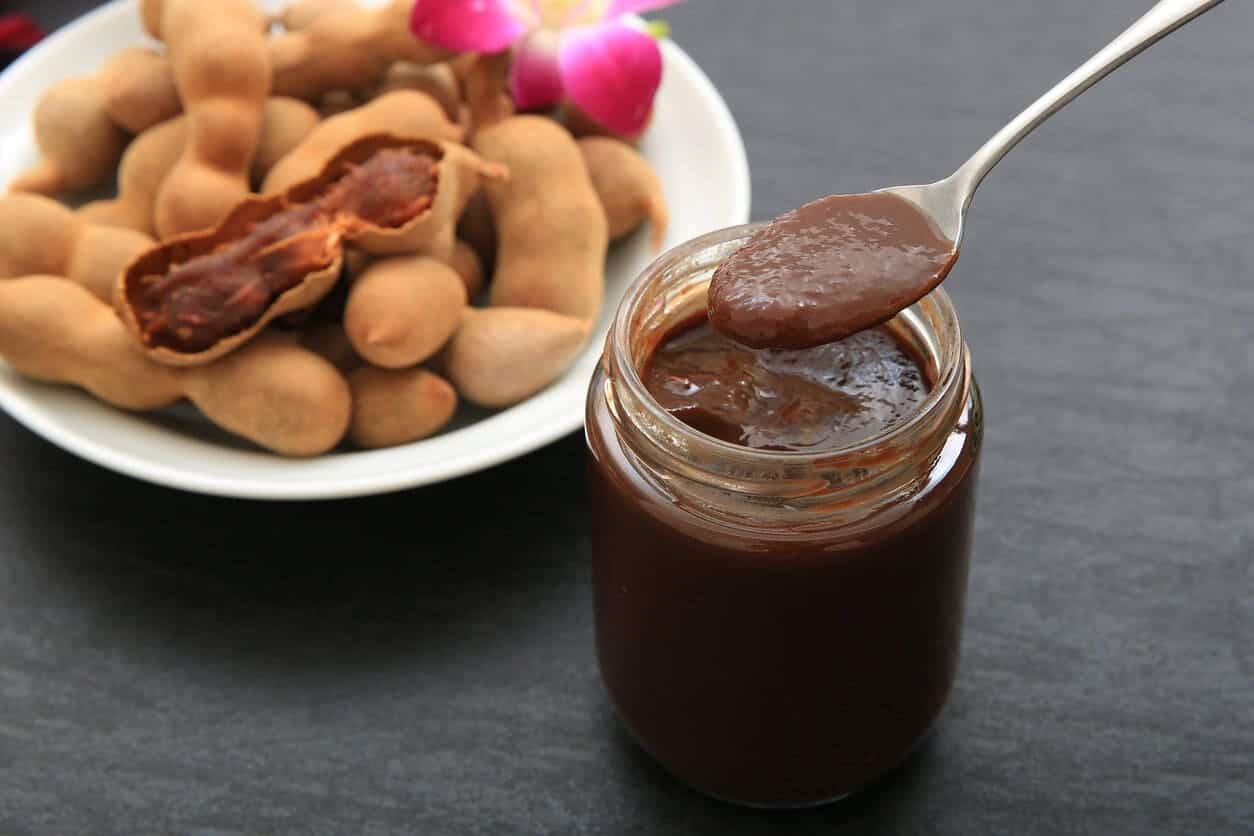
Let’s get practical with visual cues. When you open a bottle of tamari, you’re met with a dark, opaque liquid that coats a spoon like velvet. It smells intensely soy-forward and slightly earthy. Tamarind paste, conversely, looks like sticky, dark brown carob or fig jam, often with seeds or fibers visible. Scrape a bit with your finger—it tastes sour first, then sweet, like a sour candy mixed with prune juice. If you see a recipe asking for “tamari,” it’s a liquid condiment—add it near the end of cooking to preserve its saltiness. If it says “tamarind,” you’ll usually need to soak the paste in hot water for 10 minutes, then strain out the seeds to get a smooth pulp. Pro tip: always read the ingredients label. Some “tamarind” products mix in sugar or citric acid, while “tamari” can sometimes be labeled as “gluten-free soy sauce.” Which one belongs in your pantry? Both! But treat them like different paint colors for your flavor canvas.
For the adventurous home cook, here’s a delicious challenge: create a one-pot meal that uses both tamari and tamarind together. Yes, they can coexist! Try a Vietnamese-style coconut curry: sauté garlic and ginger, add a can of coconut milk, then stir in 2 tablespoons of tamari (for salt and depth) and 1 tablespoon of tamarind paste (for a sour counterpoint). Toss in sweet potatoes and chickpeas, simmer until tender, and finish with fresh basil. The tamari anchors the dish with umami, while the tamarind cuts through the richness with its tang. It’s a flavor balancing act that will make your taste buds do a happy dance. If you’re feeling lazy, just use tamari for a quick sauce (it’s ready to go), or tamarind for a fruity dipping sauce (mix with honey and chili flakes). The key is to taste as you go. Tamari is potent, so add it in teaspoons; tamarind can be intense, so start small and adjust for sweet or sour preference.
 Que Contient Le Tamari | Tamari Bienfaits Santé – KLTG
Still not sure which to buy? Here’s the ultimate cheat sheet: Tamari is your go-to for anything Japanese or umami-rich—think ramen, dipping gyoza, or a simple marinade for salmon. It’s also a lifesaver for gluten-free folks who miss the depth of soy sauce. Tamarind is your ticket to Southeast Asian and Indian cuisine—you’ll need it for authentic pad thai, tamarind lassis, or a tangy fish curry. If a recipe calls for “tamari” and you only have tamarind, don’t try to substitute. You’ll ruin the dish. Instead, run to the store or use a mix of soy sauce and a pinch of sugar (tamari’s closest cousin). And if you see a recipe that says “tamari” in a dessert? Stop right there—that’s probably a typo! Tamarind makes killer popsicles and candies; tamari does not. When in doubt, remember: tamari is savory, tamarind is fruity. That mental lock will save every meal.
So, the next time you’re in the grocery aisle and hear that little voice whispering “Are they the same?”, you can smile, grab both, and confidently explain the difference to a fellow shopper. You now hold the secret to unlocking two incredible, distinct worlds of flavor. Don’t hoard it—share your newfound knowledge! Tamari gives you depth; tamarind gives you zing. Together, they make cooking an endless adventure. Now go forth, experiment, and remember: a little salty, a little sour, and a lot of fun is the key to any great dish.