Is Sweet Tea Homogeneous Or Heterogeneous

For millions across the American South and beyond, a tall glass of sweet tea is more than just a beverage—it’s a ritual, a comfort, and a symbol of hospitality. Whether served...
For millions across the American South and beyond, a tall glass of sweet tea is more than just a beverage—it’s a ritual, a comfort, and a symbol of hospitality. Whether served over clinking ice on a sweltering summer porch or alongside a plate of fried chicken at a family gathering, its satisfying blend of strong black tea and generous sugar feels like a perfectly unified whole. The first sip offers a consistent wave of sweetness from start to finish, which is exactly why people cherish it. This seamless experience, however, raises a surprisingly scientific question: is sweet tea truly a single, uniform substance, or is it a mixture of distinct parts? Understanding this can deepen our appreciation for something we often take for granted.
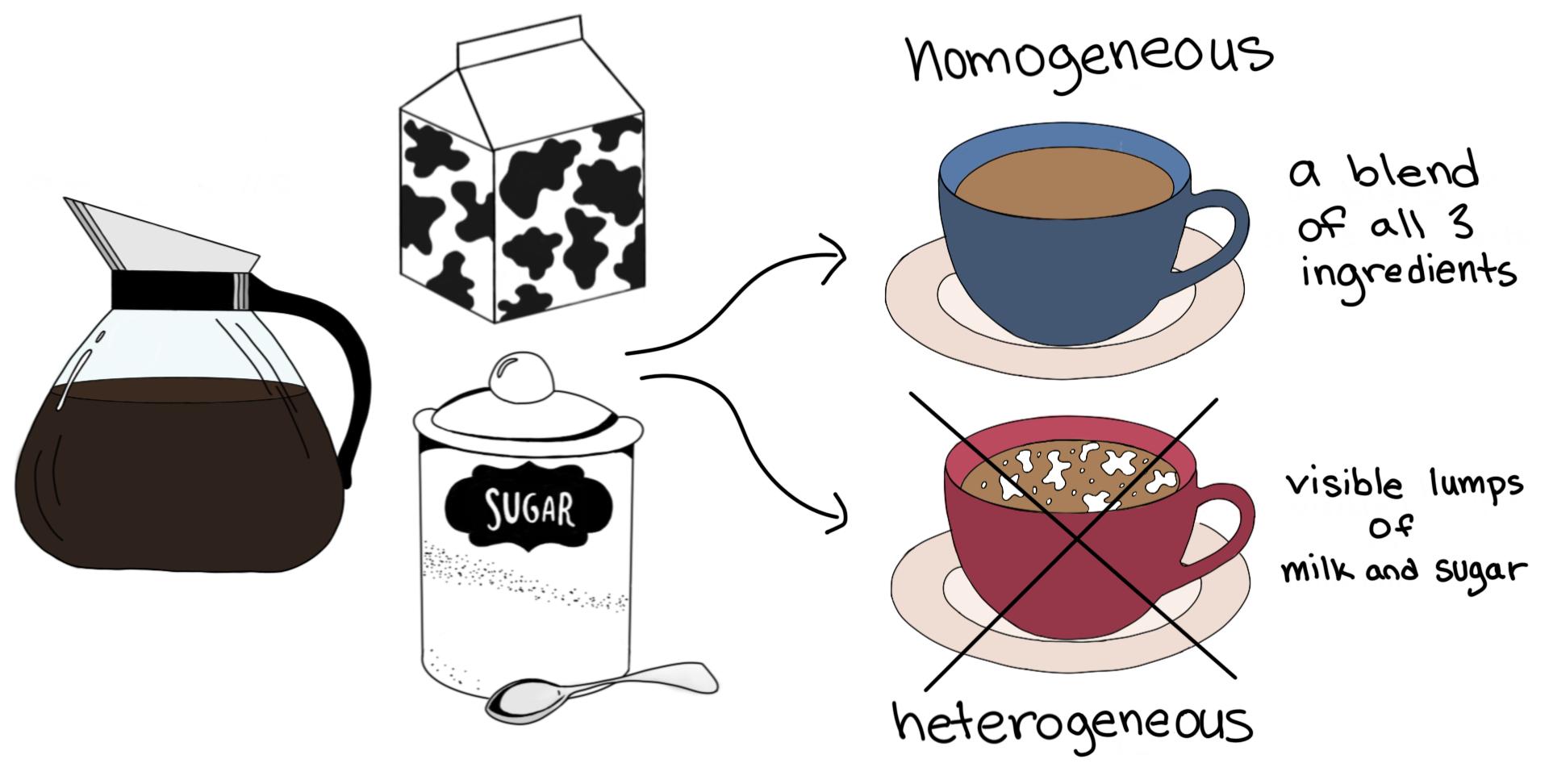
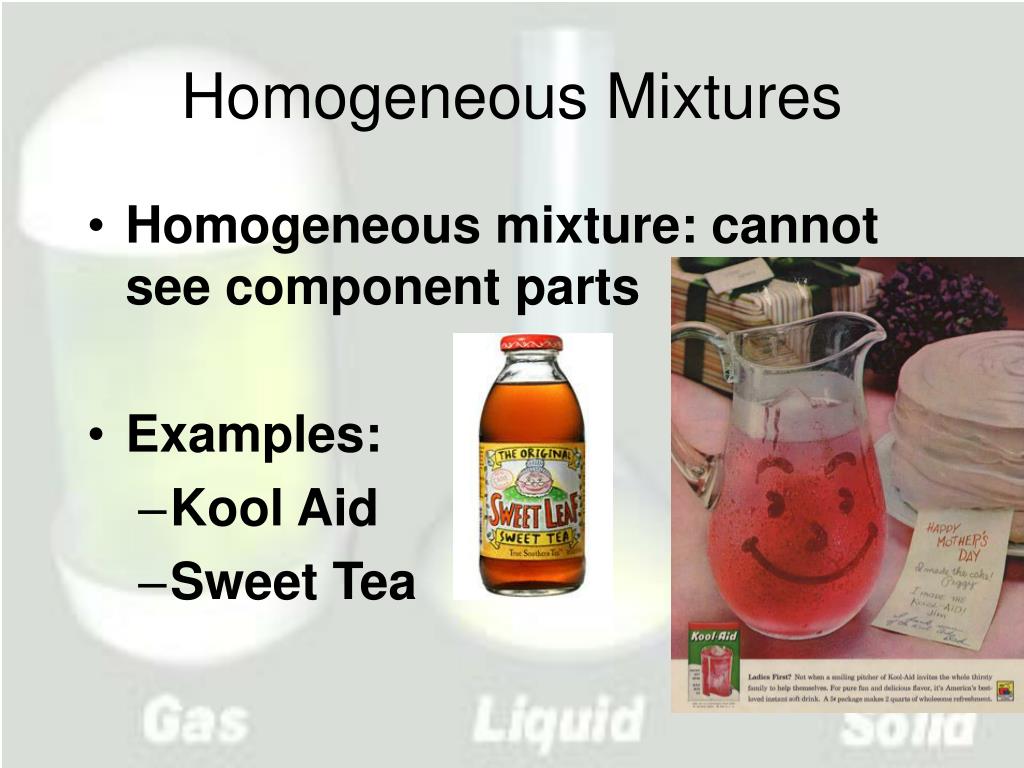
To answer the question, we must first define the two buzzwords: homogeneous and heterogeneous. A homogeneous mixture is one where the components are evenly distributed at the molecular level, so every sample tastes and looks the same. Think of a cup of black coffee or pure saltwater—you cannot see the individual ingredients. A heterogeneous mixture, on the other hand, contains visibly different parts or phases, like a bowl of chunky salsa or a container of oil and vinegar dressing, where you can spot the distinct pieces. By this logic, a properly brewed and stirred glass of sweet tea is overwhelmingly homogeneous. The sugar molecules dissolve completely into the water, and the tea compounds spread evenly, creating a single, consistent liquid phase.
Yet, the answer isn’t quite that simple when reality intervenes. Ice, for example, can change the game. If you pour sweet tea over a handful of ice cubes, you are now dealing with a heterogeneous system—at least temporarily. The solid ice cubes are a distinct phase floating in the liquid tea. As the ice melts, it dilutes the surrounding tea unevenly, creating pockets of weaker, less sweet liquid near the melting cubes. A sip from the top might be sweeter than a sip from the bottom where the melted water pools. So, while the base drink is homogeneous, the moment you add ice—or even a slice of lemon floating on top—you introduce a clear, verifiable heterogeneous mixture. This is a perfect lesson in how context matters for scientific classification.
Must Read
This distinction has practical benefits in everyday life. Knowing that sweet tea is fundamentally homogeneous explains why pre-brewed batches from a restaurant or a pitcher at home deliver a predictable flavor every time—as long as you stir thoroughly before serving. It also clarifies why a sugar-based simple syrup is superior to pouring raw sugar directly into hot tea: dissolving the sugar into syrup ensures a truly homogeneous distribution without gritty particles at the bottom. This knowledge helps you avoid the common disappointment of a “sugar sink” where the last few sips are cloyingly sweet or powdery. For anyone who values a consistent taste, mastering the homogeneous nature of the mixture is the key to perfecting that glass.
Here are a few simple tips to explore these concepts yourself. First, test the homogeneity by making a pitcher of sweet tea without stirring it thoroughly. Pour a glass from the top, then pour one from the bottom—you’ll notice a stark difference in sweetness, proving the mixture was temporarily heterogeneous until agitation. Second, create a heterogeneous version intentionally: fill a glass halfway with tea, then slowly add a layer of chilled milk or cream without stirring. You’ll see two distinct layers that don’t blend, a vivid example of a heterogeneous mixture in action. Finally, try temperature experiments: brew the tea hot, add sugar, and stir until dissolved. Let it cool to room temperature, then refrigerate. If you see no sugar crystals forming, you’ve succeeded in making a stable homogeneous solution. If a few crystals appear, you’ve witnessed the solubility limit—a subtle hint of heterogeneity emerging.
 Is Tea Homogeneous or Heterogeneous? The Surprising Answer! - Studystep
Beyond the kitchen chemistry, understanding this distinction enriches how you experience your drink. The next time you sip sweet tea on a lazy afternoon, appreciate that most of what you enjoy is a beautifully balanced homogeneous blend—science working quietly for your pleasure. But when that ice cube clinks against your teeth, or when the last half-melted cube swirls in your cup, you’re encountering a brief, dynamic moment of heterogeneity. This interplay between uniformity and variety is what keeps the drink both reliable and subtly surprising. It reminds us that everyday objects, even a simple glass of tea, are invitations to notice the deeper order in the world around us.
In conclusion, sweet tea is predominantly a homogeneous mixture in its ideal, fully dissolved state, but it readily becomes heterogeneous with the addition of ice, lemon, or incomplete stirring. This duality is not a flaw—it’s a feature that mirrors life itself: mostly consistent, but with delightful pockets of variation. So next time you brew a batch, take a moment to stir with intention, observe the melting ice, and savor the science. You might just find that a simple glass of sweet tea teaches you more about chemistry—and patience—than any textbook ever could.