Is Sushi Rice And Sticky Rice The Same

Understanding rice varieties is one of those small kitchen knowledges that can completely transform how you cook and eat. Sushi rice and sticky rice are two types that often c...

Understanding rice varieties is one of those small kitchen knowledges that can completely transform how you cook and eat. Sushi rice and sticky rice are two types that often create confusion at the grocery store, and rightfully so — they can look similar before they're prepared. Knowing the difference matters because choosing the right grain affects flavor, texture, and even whether your favorite dish turns out successful or disappointing. Whether you're preparing sushi at home for family night or making sweet sticky rice for dessert, picking the correct rice makes all the difference.
From a practical standpoint, this matters for everyday shoppers who don't want to waste money buying the wrong product. A bag of rice can cost anywhere from a few dollars to much more for imported varieties, so misidentifying them adds up over time. For families who enjoy cooking Asian-inspired meals, understanding these differences saves headaches and guarantees satisfying results. Communities that celebrate diverse food cultures also benefit — when cooking classes or community events teach the proper rice for each dish, participants walk away with skills they'll use for years.
Sushi rice, also called shari or sumeshi in Japanese, refers specifically to japonica short-grain rice that has been seasoned with a mixture of rice vinegar, sugar, and salt after cooking. The vinegar seasoning gives sushi rice its signature slight tang and helps preserve it during repeated handling. It remains pliable and tacky without being glue-like, allowing pieces of nigiri or rolls to hold their shape. Common examples include rolls like maki sushi, where the seasoned rice wraps around fillings, or a simple bowl of chirashi — scattered sushi rice topped with colorful sashimi.
Must Read
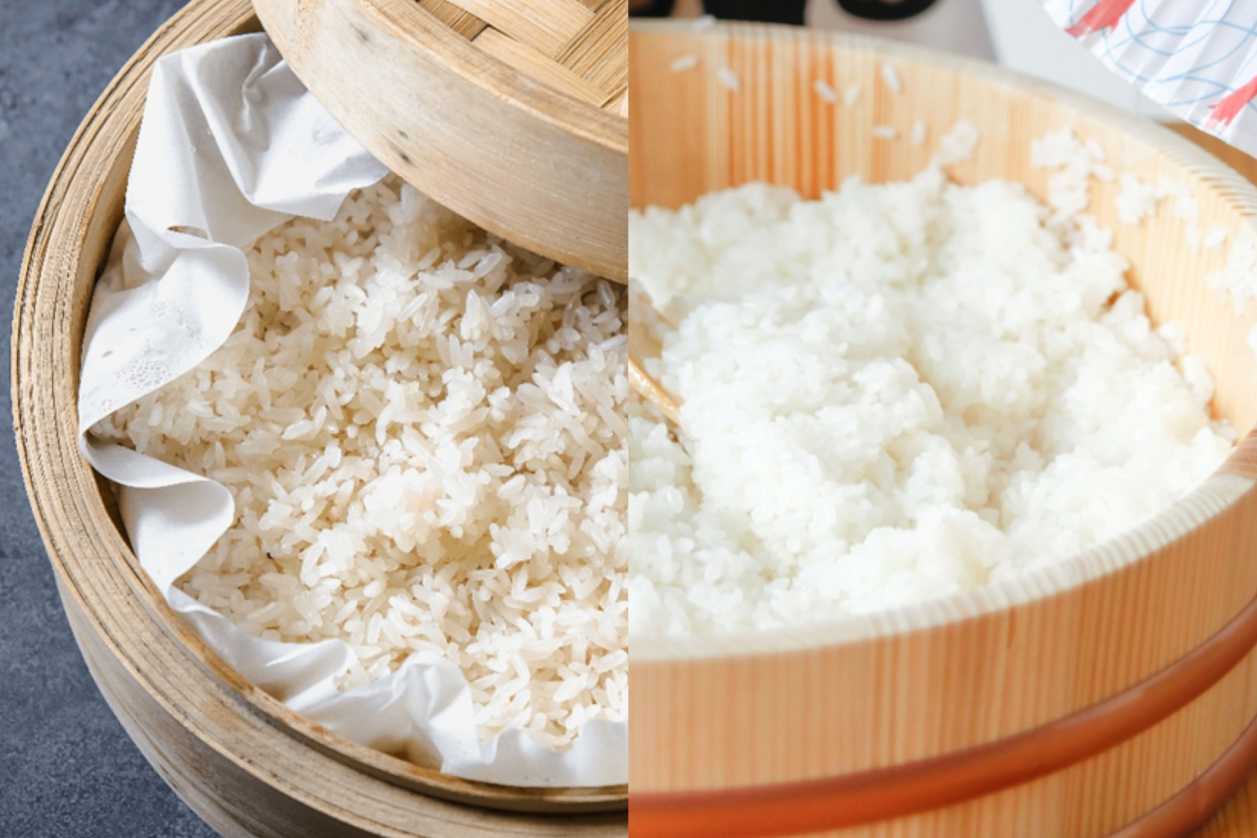
On the other hand, sticky rice (also known as glutinous rice) is a whole different family, even though it's known as "mai khao" in Thai or mochigome in Japanese. It is naturally very starchy and becomes extremely adhesive when steamed, without any additional seasoning. Sticky rice has a slightly chewy and almost translucent quality when cooked. You'll spot it in dishes like Thai mango sticky rice (khao niao), traditional Laotian jeow platters, or as wrappers in Chinese zongzi dumplings during the Dragon Boat Festival.
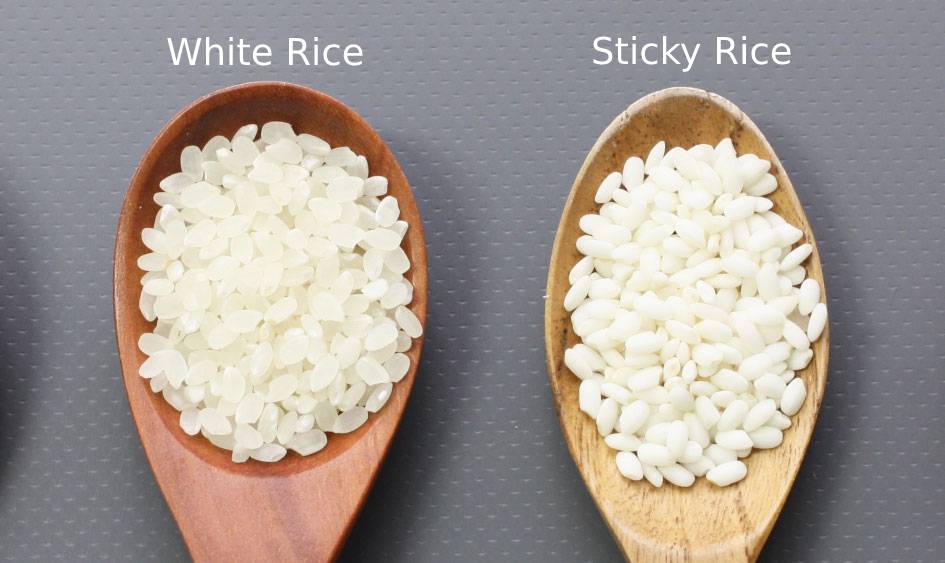
Here's the key distinction in a nutshell: sushi rice is seasoned and tangy while sticky rice is naked and naturally gluey. Sushi rice comes from short-grain japonica varieties that are steamed or boiled with water, then dressed in vinegar. Sticky rice comes from a long-grain japonica or specialty variety that is usually soaked and steamed — never boiled — to achieve its extreme chewiness. Trying to substitute one for the other usually disappoints: seasoned rice thrown into a Thai sticky rice recipe adds unwanted acidity, while plain glutinous rice struggles to hold sushi roll shapes because it lacks the firm structure sushi demands.
 Sticky Rice vs. Sushi Rice - Similarities & Differences
To apply this knowledge easily at home, start by reading labels carefully. Look for phrases like "sushi rice" or short-grain japonica on sushi rice bags and "sticky" or "glutinous" on Thai-style bags. Next, cook each correctly — sushi rice with a rice cooker using the 1:1.1 water ratio and sticky rice by soaking it for at least four hours before steaming over simmering water for 25–30 minutes. A helpful trick: when unsure, smell the cooked grain — sushi rice carries a faint sweet-vinegary scent while sticky rice has a clean, cereal aroma. Keeping a small note taped inside your pantry door listing which rice goes with which dish also works wonders for busy households.
In the end, sushi rice and sticky rice are not the same, and recognizing their unique roles lets you cook with more confidence and creativity. Every time you choose correctly, you honor a food tradition and ensure your meal reaches its full potential. So the next time you stand in that rice aisle, smile knowing you can navigate the differences with ease. Good rice truly starts a great meal — enjoy every bite! Savor your culinary adventures and share this little wisdom with friends who love cooking as much as you do.