Is Sunny Side Up Eggs Healthy

For countless breakfast lovers, there is something undeniably satisfying about a perfectly cooked sunny side up egg. The unbroken, glistening yolk sits like a golden jewel ato...
For countless breakfast lovers, there is something undeniably satisfying about a perfectly cooked sunny side up egg. The unbroken, glistening yolk sits like a golden jewel atop a firm white, promising a rich, velvety reward with the first poke of a fork. It’s a staple in cafes, home kitchens, and brunch menus worldwide, cherished for its simplicity and visual appeal. Beyond its aesthetic charm, however, many people frequently ask: is this delicious staple actually healthy? Understanding its nutritional profile can help you decide how it fits into your daily life, balancing enjoyment with wellness.
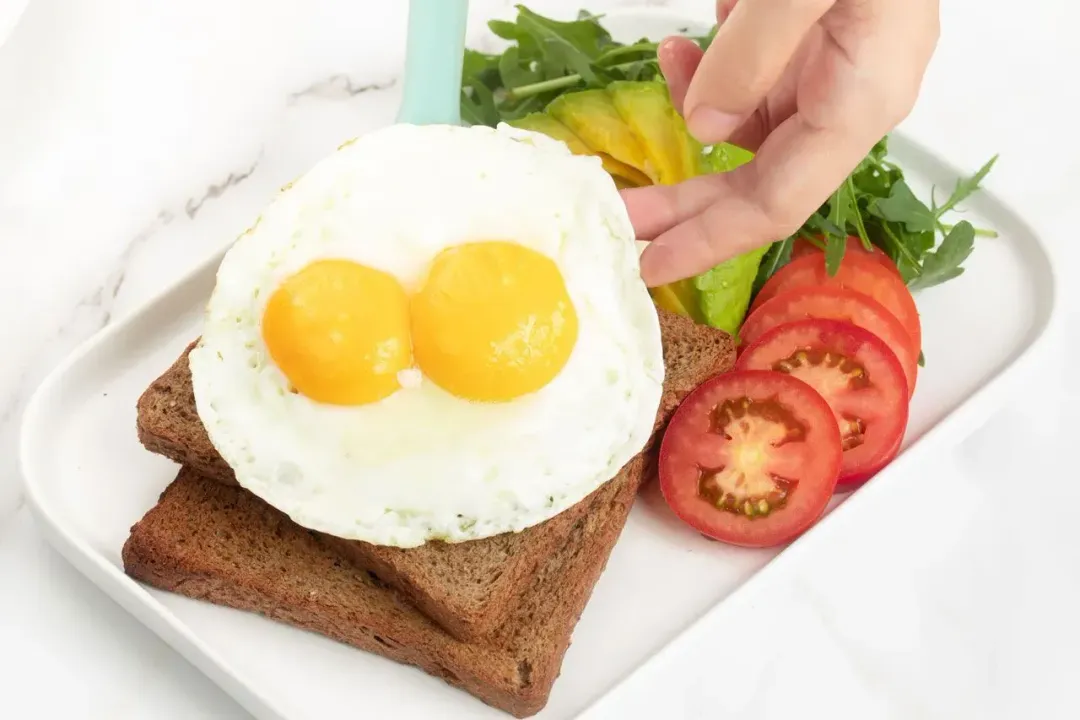
The key purpose of a sunny side up egg is to deliver a quick, nutrient-dense source of energy with minimal processing. When cooked gently over low heat without flipping, the yolk remains liquid and uncooked, preserving its delicate vitamins and healthy fats. This method avoids the high temperatures and added oils often required for scrambling or frying. For example, a busy parent might rely on this egg to anchor a speedy breakfast, pairing it with whole-grain toast and avocado. The result is a meal that provides sustained energy for the morning ahead, rather than a sugar-laden cereal that leads to an mid-morning crash.
One of the most compelling benefits of sunny side up eggs is their exceptional nutrient density. An egg contains about 70 calories but is packed with high-quality protein, Vitamin B12, riboflavin, and selenium. Crucially, the yolk is where the majority of vitamins and minerals reside, including choline—a nutrient essential for brain health and memory function. When you cook the egg sunny side up, you retain these delicate compounds, which can be diminished by prolonged heat. This makes it a superior choice for students studying for exams or professionals needing sharp cognitive performance throughout a demanding workday.
Must Read
Another significant advantage is the satiety factor. The protein and fat in a sunny side up egg work together to keep you full and satisfied for hours. Consider someone trying to manage their weight: starting the day with two sunny side up eggs can curb the desire for unhealthy snacks before lunch. In contrast, a bagel or a bowl of sugary oatmeal is digested quickly, leading to hunger pangs. By including this breakfast option, you naturally reduce overall calorie intake later in the day without feeling deprived. This makes it a practical tool for everyday appetite control and sustainable eating habits.
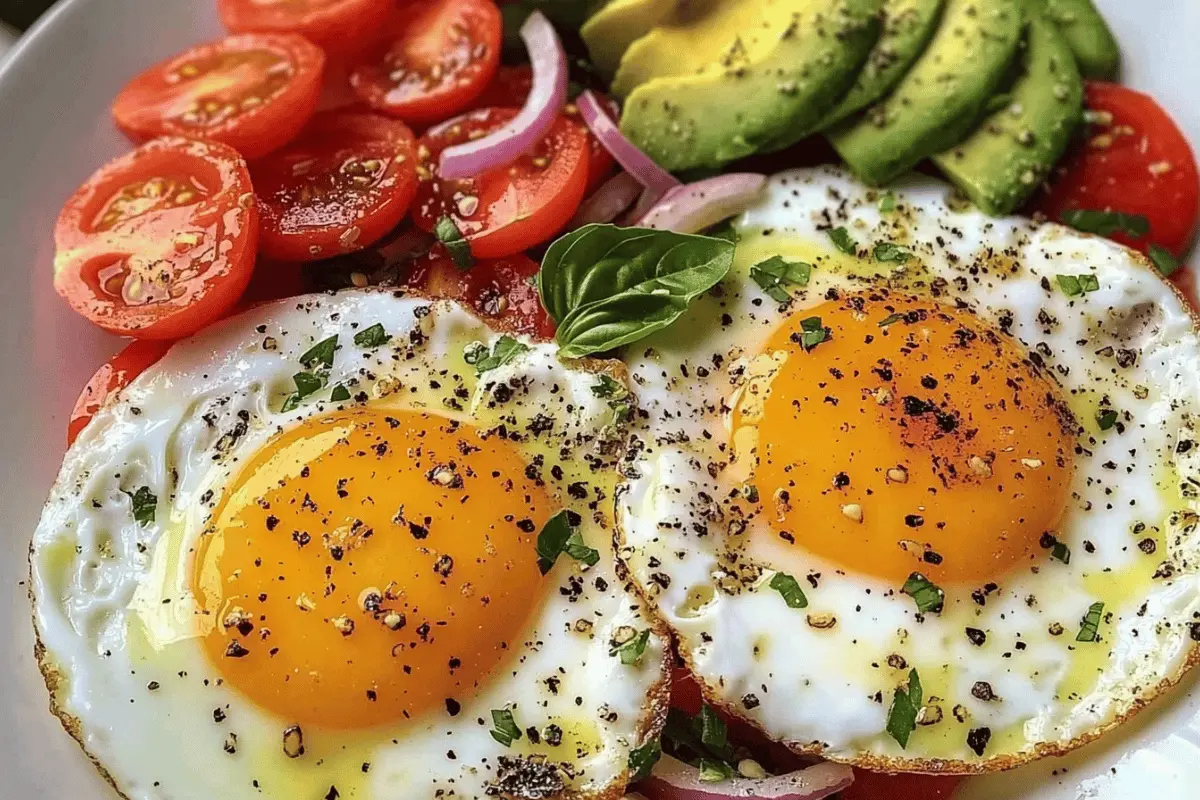
However, context matters. The health value of sunny side up eggs is highly influenced by how you prepare them and what you pair them with. Frying them in copious butter or industrially processed oils can negate their benefits, adding excessive saturated fat and calories. A smarter tip is to cook them in a non-stick pan over low heat with just a light spray of avocado oil or a small pat of grass-fed butter. Additionally, serving them with a side of fiber-rich vegetables—like sautéed spinach or roasted tomatoes—turns the meal into a powerhouse of nutrients. This combination supports heart health and digestion, rather than relying on greasy bacon or refined toast.
 Sunny Side Up Eggs - Winnie's PureHealth
For those concerned about cholesterol, modern research has largely dispelled outdated fears. Dietary cholesterol from eggs has a minimal impact on blood cholesterol levels for the vast majority of people. The body tightly regulates its own cholesterol production; consuming an egg daily is safe for healthy individuals and may even improve lipid profiles by raising HDL (the “good” cholesterol). That said, if you have a specific condition like familial hypercholesterolemia or diabetes, it is wise to consult your doctor. For everyone else, eating one to two sunny side up eggs per day is a perfectly reasonable part of a balanced diet.
To explore this on your own, start with simple quality variations. Tip one: Use pasture-raised or organic eggs, as they contain more omega-3 fatty acids and Vitamin D. Tip two: Experiment with gentle coking—cover the pan with a lid for the last 30 seconds to set the white while keeping the yolk beautifully runny. Tip three: Season creatively with a pinch of flaky sea salt, black pepper, and a dash of smoked paprika or fresh herbs. Finally, remember that health is not about banning foods you love, but about enjoying them mindfully. A sunny side up egg, prepared with care, is more than a tasty indulgence—it’s a small, deliberate step toward nourishing your body and elevating your everyday routine.