Is Sunflower Oil A Substitute For Vegetable Oil

There’s a quiet satisfaction in pulling together a homemade meal, whether it’s a quick weeknight stir-fry or a batch of crispy golden fries for a weekend treat. For many home...
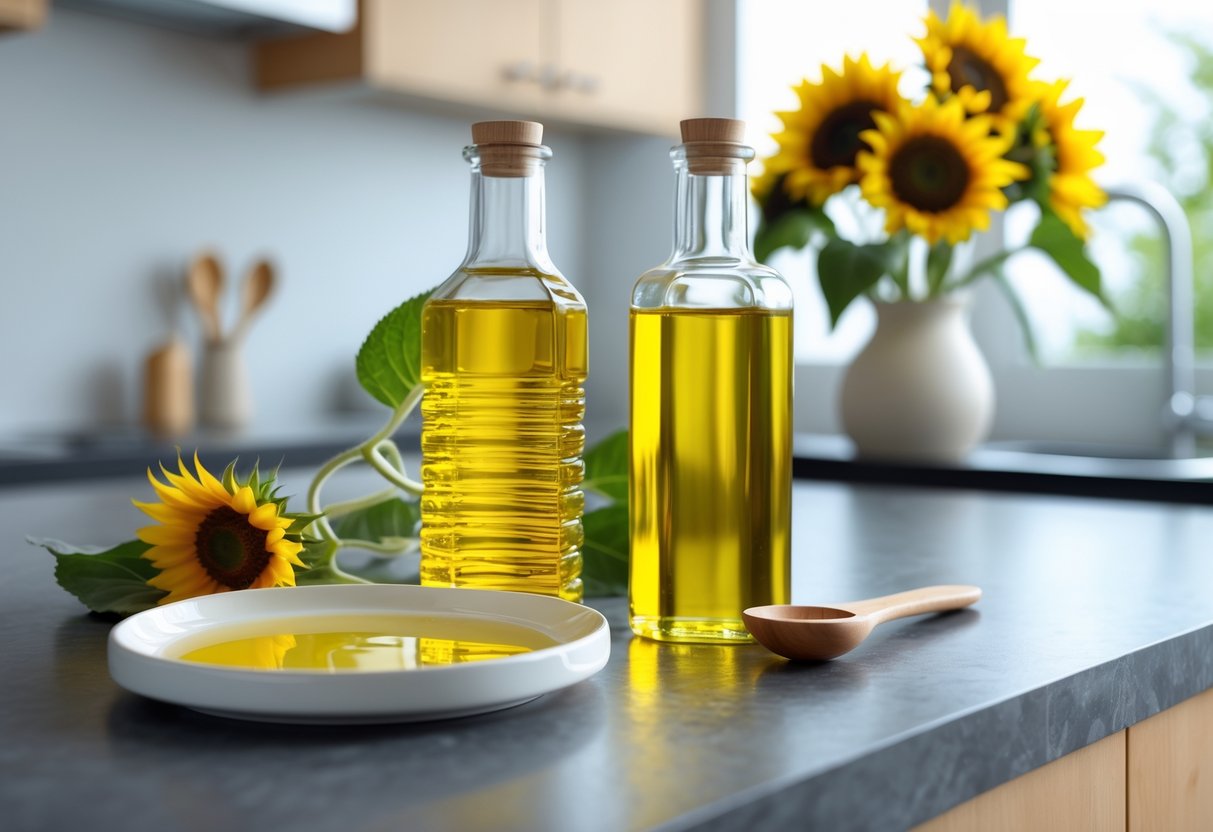
There’s a quiet satisfaction in pulling together a homemade meal, whether it’s a quick weeknight stir-fry or a batch of crispy golden fries for a weekend treat. For many home cooks, vegetable oil has long been the go-to workhorse in the pantry—neutral, affordable, and endlessly versatile. But when that familiar bottle runs out, the question often arises: can sunflower oil step in and save the day? The short answer is yes, and understanding why can transform how you approach everyday cooking.
At its core, sunflower oil is extracted from sunflower seeds, while “vegetable oil” is typically a blend of different plant oils, such as soybean, canola, or palm. The key purpose of both is to provide a high smoke point—the temperature at which oil starts to burn and produce off-flavors. Sunflower oil excels here, with a smoke point between 440°F and 450°F, making it perfect for frying, searing, and sautéing. Vegetable oil, depending on its blend, usually falls in a similar range, so sunflower oil can easily be swapped in for these high-heat tasks without worry.
What truly sets sunflower oil apart is its mild, clean flavor. Unlike some vegetable oils that carry a faintly grassy or processed taste, sunflower oil is remarkably neutral. This is a huge benefit for recipes where you want the ingredients to shine, like in a delicate vinaigrette or a light cake batter. Imagine making a batch of homemade mayonnaise: if you use a heavy vegetable oil, the final taste might be slightly cloying, but with sunflower oil, the richness is balanced and unobtrusive. For everyday cooking—from scrambling eggs to roasting vegetables—this neutrality means your food’s natural flavors stay front and center.
Must Read
Beyond taste and performance, there’s a nutritional angle that makes sunflower oil a compelling choice. It is naturally high in vitamin E, a powerful antioxidant that helps protect cells from damage. While vegetable oils often contain vitamin E too, sunflower oil typically provides a more concentrated dose—about 5.6 mg per tablespoon compared to around 1.9 mg in a standard vegetable blend. Additionally, sunflower oil is low in saturated fat and rich in polyunsaturated and monounsaturated fats, which are linked to heart health when used in moderation. For those who are mindful of their cooking oil’s nutritional profile, sunflower oil offers a subtle but meaningful advantage.
However, not all sunflower oils are identical, and this matters for substitution. Most grocery stores stock two main types: refined sunflower oil, which has a high smoke point and neutral taste, and unrefined (cold-pressed) sunflower oil, which retains more flavor and nutrients but has a lower smoke point (around 225°F). For high-heat cooking like deep-frying or stir-frying, always choose refined sunflower oil. If you’re using it for a cold dressing or light baking, the unrefined version can add a pleasant, nutty note—though it’s less of a direct substitute for vegetable oil in that case. A common pitfall is assuming all sunflower oils are interchangeable; checking the label for “refined” or “high-oleic” ensures you get the heat-friendly version.
 15 Substitutes for Vegetable Oil to Keep Your Cooking Game Strong
To explore this substitution in your own kitchen, start with simple swaps. Try using sunflower oil the next time you make pan-fried chicken or roasted potatoes; you’ll notice no flavor intrusion, and the texture will be just as crisp. For a salad dressing, whisk together three parts sunflower oil with one part vinegar, a pinch of salt, and some fresh herbs—it’s a bright, refreshing alternative to a heavier vegetable oil base. One tip: if you’re concerned about the ratio of omega-6 to omega-3 fatty acids, which is higher in sunflower oil, balance it by including omega-3-rich foods like flaxseeds, walnuts, or fatty fish in your meals. This isn’t a reason to avoid sunflower oil—just a simple way to maintain a well-rounded diet.
In practice, sunflower oil proves to be a reliable and often preferable substitute for vegetable oil in most everyday cooking scenarios. Its high smoke point makes it ideal for heat-intensive methods, its neutral taste preserves recipe integrity, and its vitamin E content adds a nutritional boost. Whether you’re out of vegetable oil and need a quick stand-in, or you deliberately want to diversify your pantry, sunflower oil deserves a spot on your shelf. The next time you reach for that bottle of blended oil, consider giving sunflower oil a try—you might find it becomes your new kitchen staple, one that quietly improves meals from breakfast to dinner.

