Is Sunflower Oil A Good Substitute For Vegetable Oil

So, you’re staring into the pantry, a recipe in one hand and a bottle of sunflower oil in the other. You’re wondering, “Can I really swap this for plain old vegetable oil?” Th...

So, you’re staring into the pantry, a recipe in one hand and a bottle of sunflower oil in the other. You’re wondering, “Can I really swap this for plain old vegetable oil?” The short answer is a resounding yes, and the journey is way more fun than you think. Let’s dive into this golden, sun-soaked secret together.
The Big Swap: What’s The Difference, Anyway?
First, let’s clear the air. “Vegetable oil” is a catch-all term, often a blend of soybean, canola, or palm oil. Sunflower oil is a specific star, pressed from—you guessed it—sunflower seeds. It’s a bit like saying “fruit” versus “a juicy mango.” Both are great, but the mango has a personality.
The beauty is that sunflower oil has a neutral flavor and a high smoke point, just like vegetable oil. This means you can fry, bake, and sauté without that awkward “why does this taste like salad?” moment. It’s your kitchen’s new best friend, no drama required.
Must Read
Baking, Frying, and Sautéing: The Real Test
Let’s get practical. You’re making chocolate cake? Use sunflower oil. The result? A moist, tender crumb that doesn’t taste like a science experiment. Vegetable oil does the same, but sunflower oil often gives a lighter texture because it’s less processed.
Now, frying—that’s where the magic happens. Sunflower oil’s high smoke point (around 440°F) means your French fries stay crispy, not greasy. Vegetable oil works, but sunflower oil often lasts longer without breaking down. You’ll feel like a short-order chef with a secret weapon.
And sautéing veggies? Sunflower oil is slick and fast. It coats your pan like a pro, letting you flash-fry bell peppers and onions in seconds. The only catch? It’s a bit pricier than basic vegetable oil, but your taste buds will thank you.
The Health Hustle: Is It Actually Better For You?
Here’s where things get interesting. Sunflower oil is packed with Vitamin E, a powerful antioxidant that loves your skin and immune system. Vegetable oil? Not so much. A single tablespoon of sunflower oil gives you about 28% of your daily Vitamin E needs—that’s like a little hug from the sun.
But hold up! There’s a plot twist. Traditional sunflower oil is high in omega-6 fatty acids, which we already eat plenty of. Too much omega-6 without balancing omega-3 (from fish or flax) can cause inflammation. The fix? Look for high-oleic sunflower oil, which has more heart-healthy monounsaturated fats. It’s like upgrading your oil to the VIP section.
Vegetable oil blends vary wildly, so you never quite know what you’re getting. Sunflower oil is transparent—literally and figuratively. You control the quality. That’s a win in my book.
The Fun Factor: Why This Swap Makes Life Better
Let’s be real—cooking is about joy, not stress. Using sunflower oil is an adventure. You’re not just substituting; you’re experimenting. Try it in salad dressings for a subtle nutty note, or use it to make homemade mayonnaise that’s silky perfection. Vegetable oil works, but sunflower oil makes you feel like a foodie.
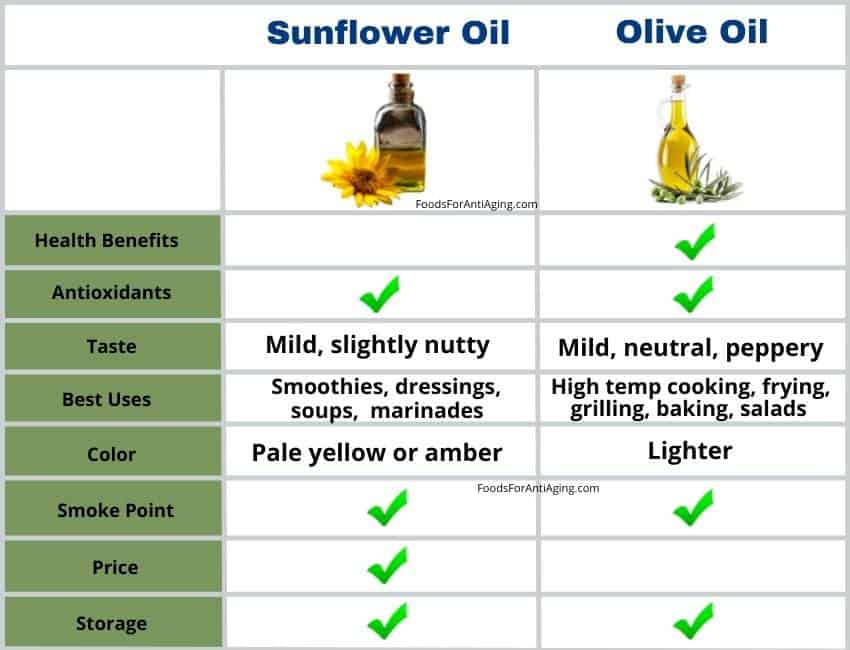 Sunflower Oil vs Olive Oil: Which of the Two Oils is Better?
Plus, there’s a visual delight. That bright, golden bottle on your counter screams “sunshine!” It’s a reminder that cooking can be playful. You might even find yourself humming while you whisk. I dare you not to smile when you pour it into a pan—it’s impossibly cheerful.
The best part? You can brag to your friends. “Oh, this cake? I used sunflower oil. It’s a thing.” Watch their impressed eyebrows rise. You’re not just cooking; you’re storytelling.
A Few Practical Nudges (No Lecture, Promise)
Before you run off to the store, note that sunflower oil has a shorter shelf life than vegetable oil once opened—about six months. Store it in a cool, dark cupboard, and it’ll be your loyal sous-chef. If it starts smelling like old crayons, toss it. That’s your oil’s way of saying, “Time for a fresh start!”
Also, organic, cold-pressed sunflower oil is a treasure. It retains more nutrients and flavor. For baking and frying, the regular refined kind is just fine. No guilt, no gatekeeping—use what works for your kitchen and your budget.
And here’s a little hack: mix half sunflower oil and half olive oil for a dynamic duo in dressings. The sun brings the lift, the olive brings the depth. You’ll feel like a culinary alchemist.
The Uplifting Note: Why You Should Keep Exploring
So, is sunflower oil a good substitute for vegetable oil? Absolutely, yes. It’s not just a swap—it’s an upgrade in flavor, fun, and a dash of Vitamin E. But don’t stop here. This little experiment is a doorway to endless curiosity. Tomorrow, try avocado oil. Next week, coconut oil. Each bottle is a story, a new texture, a new talent in your kitchen.
Life is too short for boring ingredients. You’ve already taken the first step by asking the question. Now, go pour a little sunshine into your pan. Smell that? That’s the sound of possibility sizzling. And remember: every great cook started with a swap and a smile.
