Is Stone Ground Mustard The Same As Dijon

Welcome, condiment curious, to the tangy, tongue-tingling world of mustard! Have you ever stood in the grocery aisle, a jar of stone ground mustard in one hand and a tube of D...
Welcome, condiment curious, to the tangy, tongue-tingling world of mustard! Have you ever stood in the grocery aisle, a jar of stone ground mustard in one hand and a tube of Dijon in the other, wondering if you could just swap one for the other? It’s a delicious dilemma, and the answer is absolutely not—but the journey to understanding why is surprisingly fun. This article isn’t just about settling a mustard debate; it’s about unlocking a secret weapon for your kitchen. Knowing the difference means you can elevate a simple sandwich, transform a salad dressing, or create a gourmet glaze with perfect confidence. Think of it as your passport to better, bolder cooking, where every dab and dollop is a calculated choice, not a happy accident.
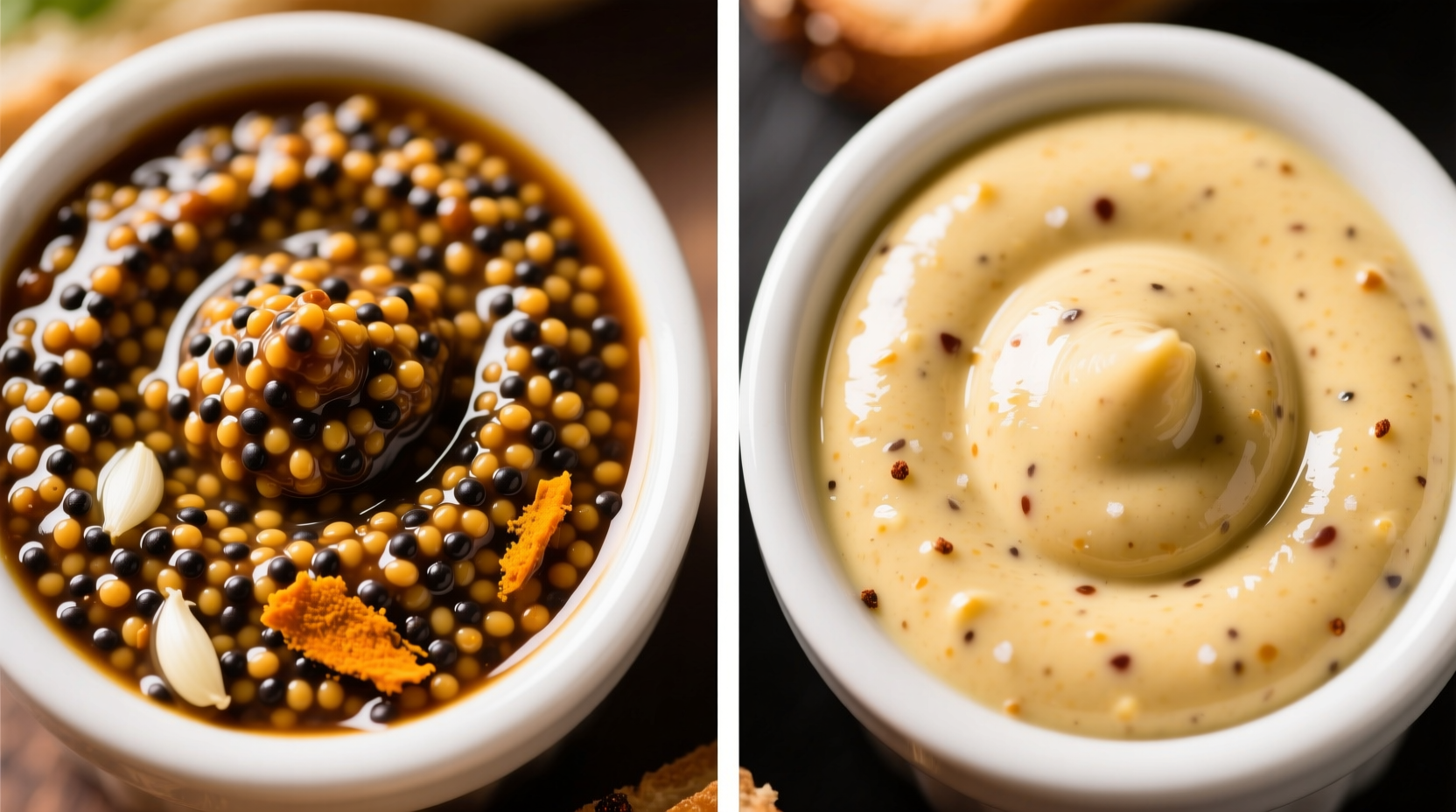
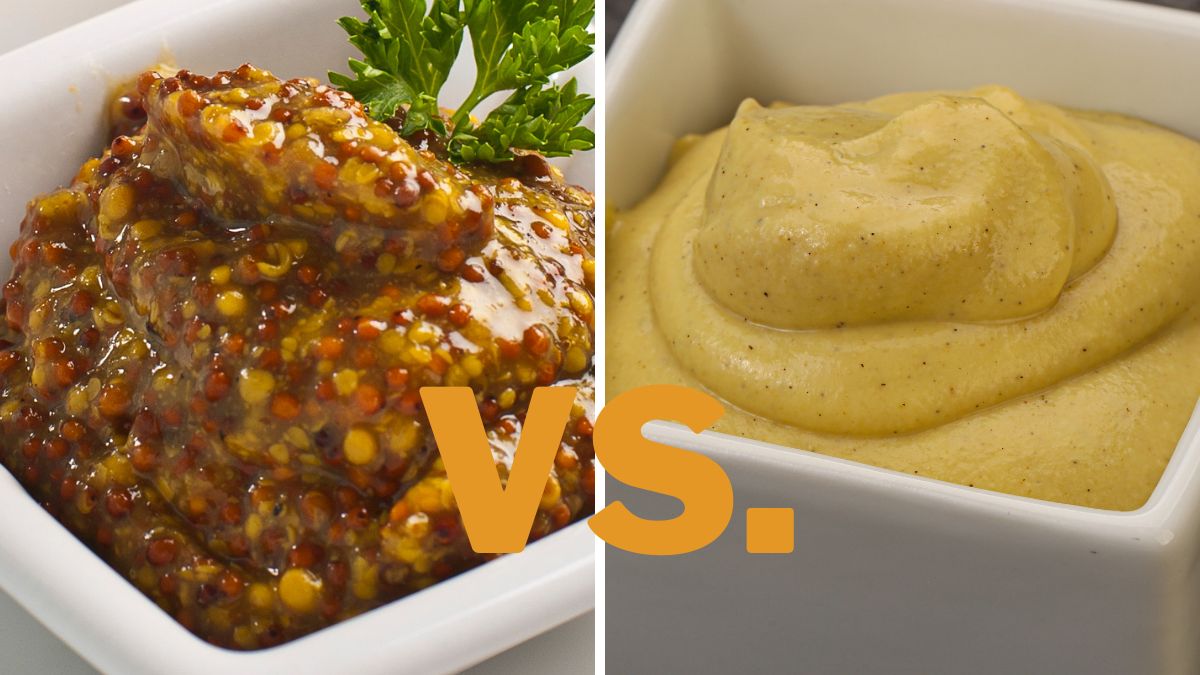
The core of the confusion lies in their texture and ingredients. Stone ground mustard is the rustic, unapologetic cousin. Its name comes from the traditional process of crushing the whole mustard seeds between stone wheels, leaving behind a coarse, chunky paste. You’ll see and feel the tiny, chewy bits of seed in every spoonful. Dijon, on the other hand, is the sleek, smooth operator. Originating from the city of Dijon in France, it’s made from brown or black mustard seeds that have been de-hulled and ground into a fine powder. This powder is then mixed with verjuice (the unfermented juice of unripe grapes), wine, or vinegar, creating a creamy, pourable, and uniformly smooth emulsion. In short: one is a crunchy storyteller, the other is a silken diplomat.
Here’s where the fun begins: their flavor profiles are worlds apart. Stone ground mustard is a warm, earthy, and forgiving friend. Because the seeds are only partially crushed, they release their pungent oils more slowly, resulting in a milder, more rounded heat that lingers without punching you in the nose. Dijon, by contrast, is a sharp, acidic, and laser-focused rebel. The removal of the seed hulls and the addition of verjuice or white wine give it a clean, fiery bite that cuts through rich foods like a hot knife through butter. Imagine a potato salad: stone ground adds a pleasant crunch and mellow warmth, like a campfire story. Dijon adds a bright, tangy zing that makes the potatoes sing. Neither is better—they’re just different instruments in your culinary orchestra.
Must Read
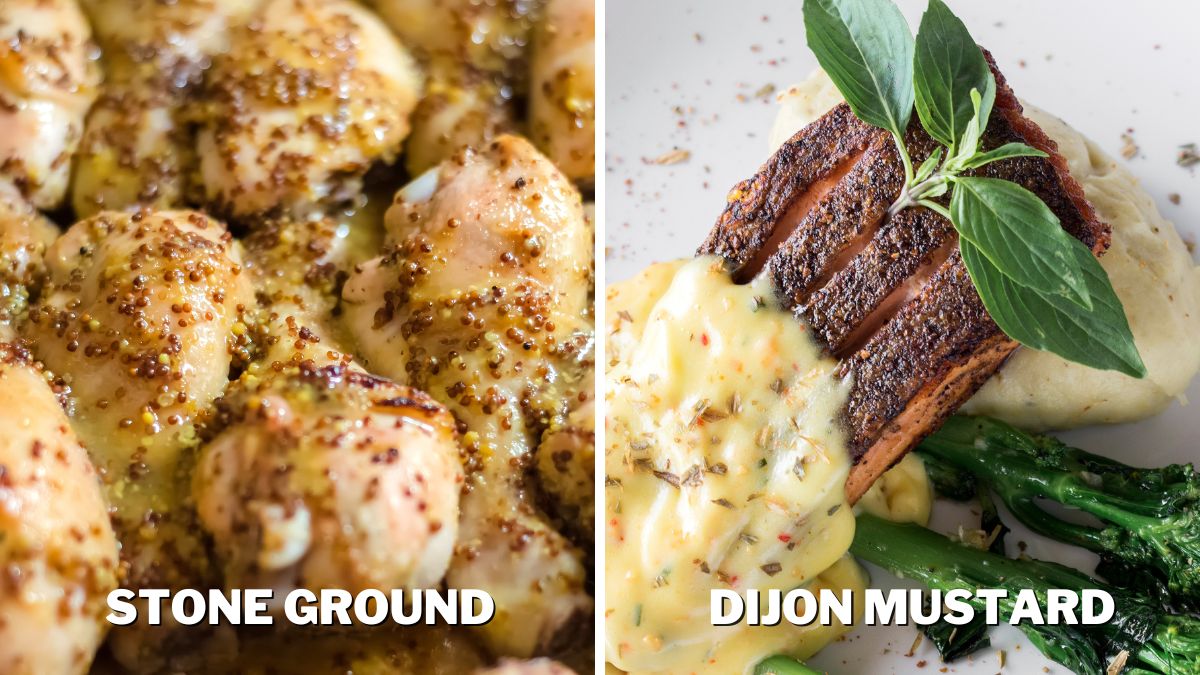
Now, let’s get creative in the kitchen. Stone ground mustard is your ticket to texture. Try mixing it into a classic vinaigrette with olive oil, sherry vinegar, and a pinch of honey—the seeds will cling to the greens, offering a pop in every bite. It’s also a fantastic coating for roasted chicken or pork; just slather it on before baking for a crust that’s crispy, toasty, and utterly delicious. Dijon, with its smooth consistency, is the secret to emulsions and dressings. Use it to stabilize a homemade mayonnaise or to give a pan sauce an instant depth of flavor after searing a steak. For a game-changing hack, whisk a teaspoon of Dijon into a cup of heavy cream and simmer gently with sautéed mushrooms—you’ll get a luxurious, restaurant-worthy sauce in under five minutes.
Let’s tackle a common myth: substituting one for the other in recipes. Can you do it? Yes, but with a crucial caveat. If a recipe calls for Dijon and you only have stone ground, you will lose the silky texture and sharp edge. The dish will become chunkier and more rustic. Conversely, using Dijon where stone ground is expected (say, in a hearty pot of beans or a coarse-crusted roast) can make the final result too thin and overly acidic. The best practical advice? Taste as you go. Start by using about two-thirds of the amount called for if you’re swapping in Dijon for stone ground, or add a bit more vinegar to a dish that uses stone ground in place of Dijon to balance the missing acidity. When in doubt, keep both jars in your fridge—they each have a long shelf life and distinct superpowers.
 Stone Ground Mustard vs. Dijon: Differences & Uses
For the adventurous eater, consider the fun of flavor pairings. Stone ground mustard is a natural companion to smoky, savory, and sweet elements—try it with barbecue sauce, maple syrup, or stirred into mac and cheese for a grown-up twist. Dijon, with its acidic kick, loves bright, fresh, and fatty partners—mix it into avocado toast, drizzle over grilled salmon, or whisk into a lemon-tahini dressing. A fun creative idea: make a mustard board for your next party! Arrange a few stone ground mustards (like a honey-grain or a stout beer variety) alongside a few Dijons (a classic, a tarragon, and a horseradish one) with pretzels, cheese cubes, and sliced apples. Your guests will learn the difference firsthand, and you’ll be the mustard maestro of the evening.
Finally, a touch of practical storage wisdom. Both mustards love the refrigerator once opened, sealing in their pungent compounds. Stone ground, because of its coarse seeds, can separate a bit over time—just give the jar a good shake or stir before using. Dijon stays remarkably consistent, but both enjoy a good swirl. The biggest advantage? Mustard is a low-calorie flavor bomb with almost no sugar and plenty of zing, making it a hero for anyone watching their waistline or trying to cut down on salt. So go ahead, buy both jars. Embrace their differences. Use stone ground to add a hearty, textured hug to your meals, and Dijon to inject a sharp, elegant whisper of France. Your taste buds—and your potato salad—will thank you.