Is Sticky Rice And Sushi Rice The Same

Food lovers often find themselves standing in the rice aisle at the grocery store, scratching their heads at the sheer variety of options available. Among the most confusing c...

Food lovers often find themselves standing in the rice aisle at the grocery store, scratching their heads at the sheer variety of options available. Among the most confusing choices is the difference between sticky rice and sushi rice. Are they the same thing? Can you swap one for the other? Getting to the bottom of this question is more than just a fun trivia exercise — it can actually save your next home-cooked meal from being a disaster. Understanding the distinction between these two popular types of rice will help you make better culinary decisions, improve your cooking results, and impress your friends with your kitchen knowledge.
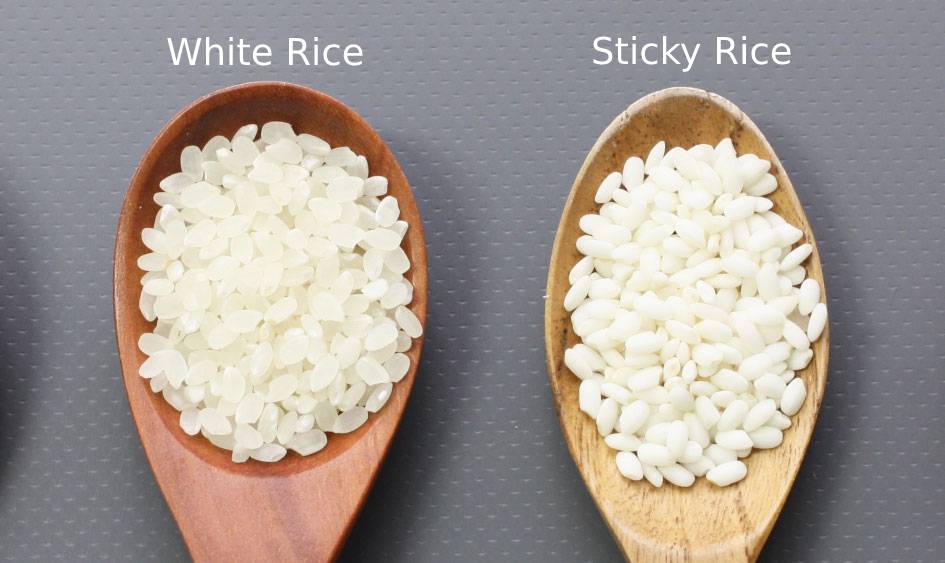
The short answer is no, sticky rice and sushi rice are not the same, even though they may look similar at first glance. Sushi rice, also known as Japanese short-grain rice or Japonica rice, is a short-grain variety that becomes sticky when cooked due to its starch content. It is carefully seasoned with a mixture of rice vinegar, sugar, and salt to give it that characteristic tangy flavor that pairs perfectly with fish and seaweed. Traditional sticky rice, on the other hand, is a glutinous rice variety that is primarily associated with Southeast Asian and East Asian cuisines. The word "glutinous" does not mean it contains gluten — it simply refers to the extremely high amylopectin starch content that gives it a naturally glue-like, chewy texture. This rice is usually eaten without any seasoning at all.
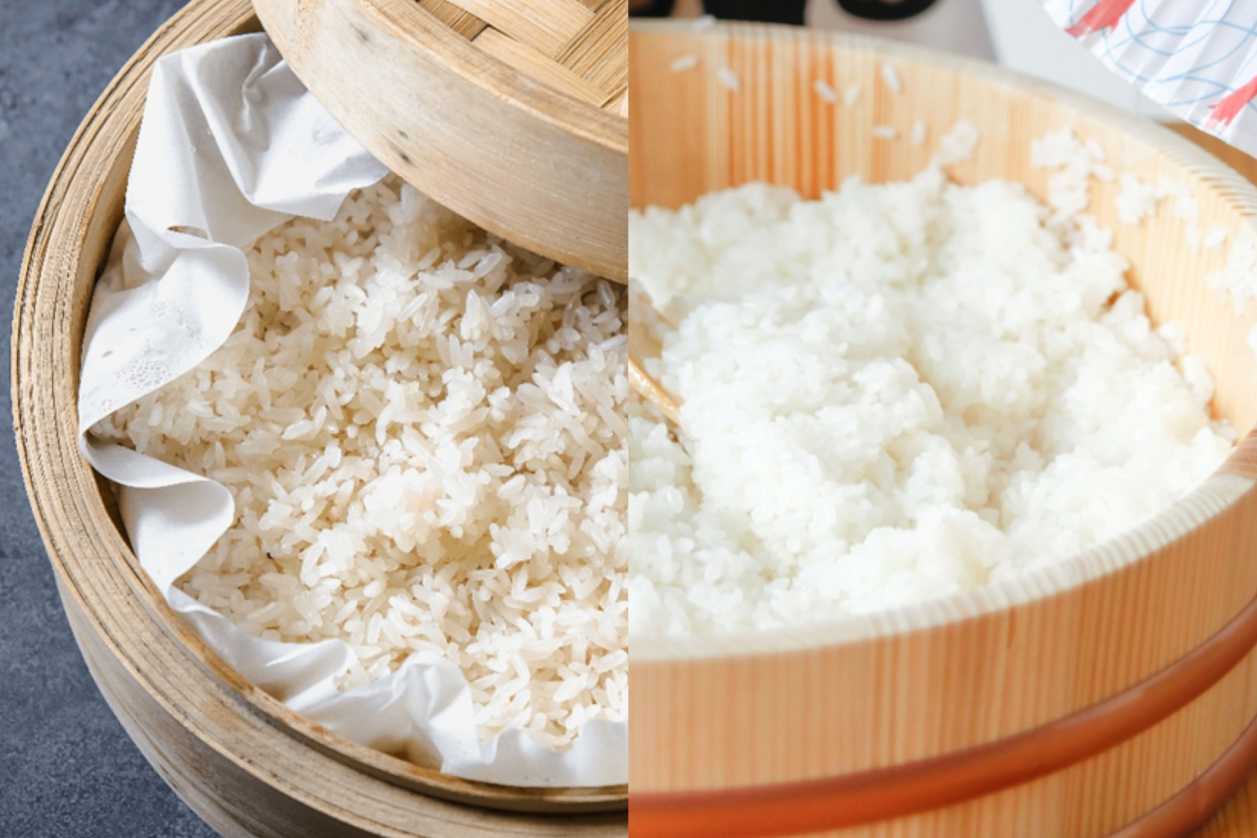
Another major difference lies in how they are prepared. Sushi rice is typically rinsed several times, then cooked and immediately seasoned while still warm. The seasoning process is an essential step that defines its purpose in making rolls, nigiri, and other sushi varieties. Sticky rice, however, requires a longer soaking period — often four to six hours or even overnight — before being steamed rather than boiled. Some traditional cooks wrap the rice in a cloth-lined steamer basket. The steaming method helps maintain the rice's signature chewiness without turning it mushy. If you tried making sushi with steamed sticky rice, you would notice the texture feels completely different from what you expect in a perfect roll. Similarly, using plain sushi rice for a Thai mango sticky rice dessert would result in a disappointing, flavorful but overly seasoned dish.
Must Read
There are some creative ways that both types of rice shine in the kitchen, and knowing their strengths opens up a world of possibilities. Sushi rice is wonderfully versatile — beyond its traditional use in sushi, it works beautifully in rice balls called onigiri, as a foundation for modern poke bowls, and even in breakfast congee with a drizzle of soy sauce. Sticky rice is equally adaptable in its own domain. It is the star ingredient in classic Thai khao niao manga (mango sticky rice), Laotian papaya salad accompaniments, and Chinese zongzi — those delicious bamboo-leaf-wrapped rice parcels enjoyed during the Dragon Boat Festival. For readers who love experimenting, try using sushi rice as a base for a savory rice bowl topped with grilled chicken and avocado, or use sticky rice to make homemade mochi for a fun weekend activity with the kids.
 Sushi Rice Vs Sticky Rice: Main Differences! - ViragoSushi
Here are some practical tips to help you choose and cook these rices like a pro. First, always read the packaging carefully — look for labels like "sushi rice," "high-grade short-grain," or "glutinous rice" to avoid confusion at the store. Second, when making sushi, make sure to use the seasoning mixture at a ratio of about one tablespoon of seasoned rice vinegar per cup of cooked rice, and fold it in gently with a slicing motion to avoid crushing the grains. Third, when preparing sticky rice, remember that soaking is not optional — skip this step and you will end up with hard, undercooked grains in the center. Finally, consider buying a dedicated rice cooker or steamer if you plan to cook either variety regularly, as these appliances take the guesswork out of achieving the perfect texture every time.
In the end, recognizing that sticky rice and sushi rice are two distinct varieties with unique properties will elevate your cooking game immediately. Each rice has its own heritage, its own preparation method, and its own culinary purpose. Rather than viewing one as a substitute for the other, embrace the beauty of having two amazing tools in your kitchen repertoire. The next time you reach for a bag of rice, you'll know exactly which one to grab — and your meals will thank you for it. Happy cooking!