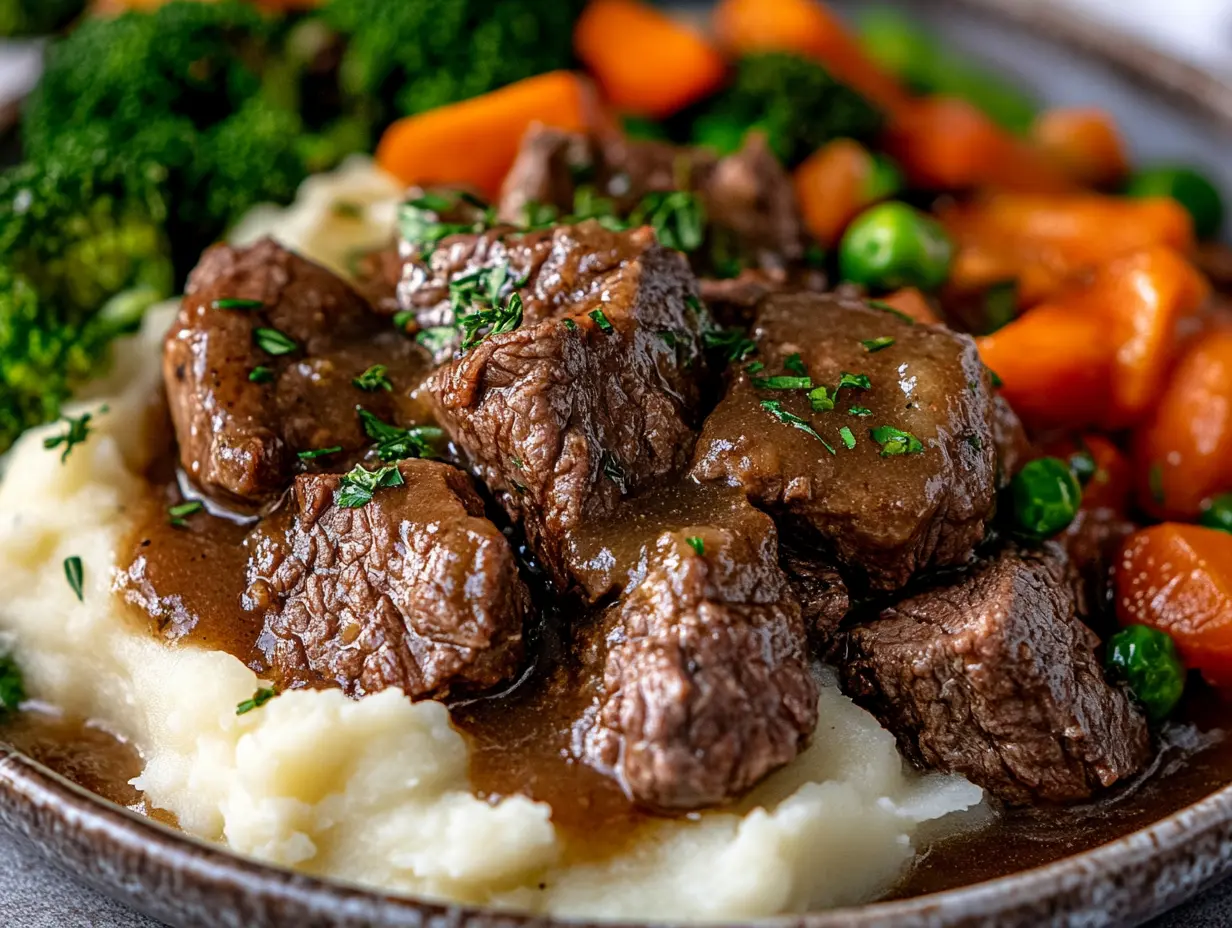
Is Stew Meat And Beef Tips The Same

There’s a quiet, almost magical satisfaction in transforming a tough, inexpensive cut of meat into a fork-tender, deeply flavorful meal. For home cooks, few things rival the j...

There’s a quiet, almost magical satisfaction in transforming a tough, inexpensive cut of meat into a fork-tender, deeply flavorful meal. For home cooks, few things rival the joy of a slow-simmered stew on a chilly evening or a quick pan-seared dish that feels like a restaurant-quality indulgence. This is where stew meat and beef tips come into play—two staples that promise comfort, convenience, and rich taste. Their key purpose is to turn budget-friendly beef into hearty, satisfying dishes that feed a family or impress guests, offering huge benefits for everyday life: they save money, reduce prep time, and deliver consistent results. Yet, a common confusion arises at the butcher counter: is stew meat actually the same as beef tips? Understanding this distinction can make or break your next meal, ensuring you choose the right cut for the right job.
At first glance, stew meat and beef tips look remarkably similar—both are small, cubed pieces of beef, often sold in pre-packaged trays. However, their origin on the animal is what truly sets them apart. Stew meat is typically sourced from tougher, more exercised muscles, such as the chuck (shoulder) or round (hind leg). These cuts are rich in connective tissue and collagen, which means they require long, slow cooking to break down and become tender. Beef tips, on the other hand, are often cut from more tender primal cuts like the sirloin or even the tenderloin. They come from areas that do less work, resulting in a naturally softer texture. This difference in origin is not just a trivia fact; it dictates how you should cook each one for the best outcome.
Imagine you’re planning a classic beef stew for a Sunday dinner. You want the meat to melt in your mouth after hours of simmering with carrots, potatoes, and broth. In this scenario, stew meat is your perfect partner. Its high collagen content breaks down into gelatin during the long cooking process, thickening the liquid and adding a luxurious, silky mouthfeel. Now, picture a weeknight stir-fry or a quick stroganoff where you need the beef to be ready in under 20 minutes. Here, beef tips win the race. Their tenderness allows for rapid high-heat cooking without turning tough or chewy. Using stew meat for a quick sear would lead to disappointment—the pieces would likely end up rubbery and dry, no matter how much seasoning you add.
Must Read
The practical implication is clear: you cannot always swap one for the other and expect the same result. If a recipe specifically calls for “beef tips” and you use stew meat, you’ll need to adjust cooking times drastically—braising for hours instead of minutes. Conversely, using beef tips in a traditional stew might yield a decent dish, but it will lack the deep, unctuous richness that comes from slow-cooked collagen, and the tender meat can easily fall apart or become mealy. To get the best of both worlds, some savvy cooks buy a larger roast (like chuck) and cut their own pieces: butchering into larger chunks for stew and smaller, trimmed strips for tips. This ensures quality control and often saves money.
 The BEST Beef And Ale Stew | Recipe | Beef tips and gravy, Beef and ale
For readers eager to explore this topic at the butcher counter or in their own kitchen, here are a few simple tips. First, always read the label carefully—if it says “stew meat” or “beef for stew,” expect it to be a tougher cut meant for braising or pressure cooking. If it says “beef tips,” “sirloin tips,” or “steak tips,” it is typically suited for faster methods like pan-searing, grilling, or sautéing. Second, ask your butcher for a recommendation; they can point you to the exact primal cut and even trim it for you. Third, for the best of both worlds, try this: buy a whole chuck roast, cut half into large cubes for stew (freeze for later), and slice the other half into thin strips for beef tips. This simple approach gives you flexibility and ensures each dish uses the right meat.
Ultimately, while stew meat and beef tips may look identical in the package, they are two different tools for two different culinary jobs. One thrives in the slow, patient embrace of a simmering pot, while the other shines under the quick, intense heat of a skillet. Recognizing this difference transforms you from a casual cook into a confident one, capable of choosing exactly the right ingredient for your dish. So next time you reach for that package of cubed beef, pause and consider your cooking method. Your taste buds—and your dinner guests—will thank you for the thoughtful choice.