Is Spicy Brown Mustard The Same As Dijon

Let’s be honest: the mustard aisle can feel like a secret club with too many handshakes. You’re standing there, holding a hot dog in one hand and a jar of spicy brown mustard...
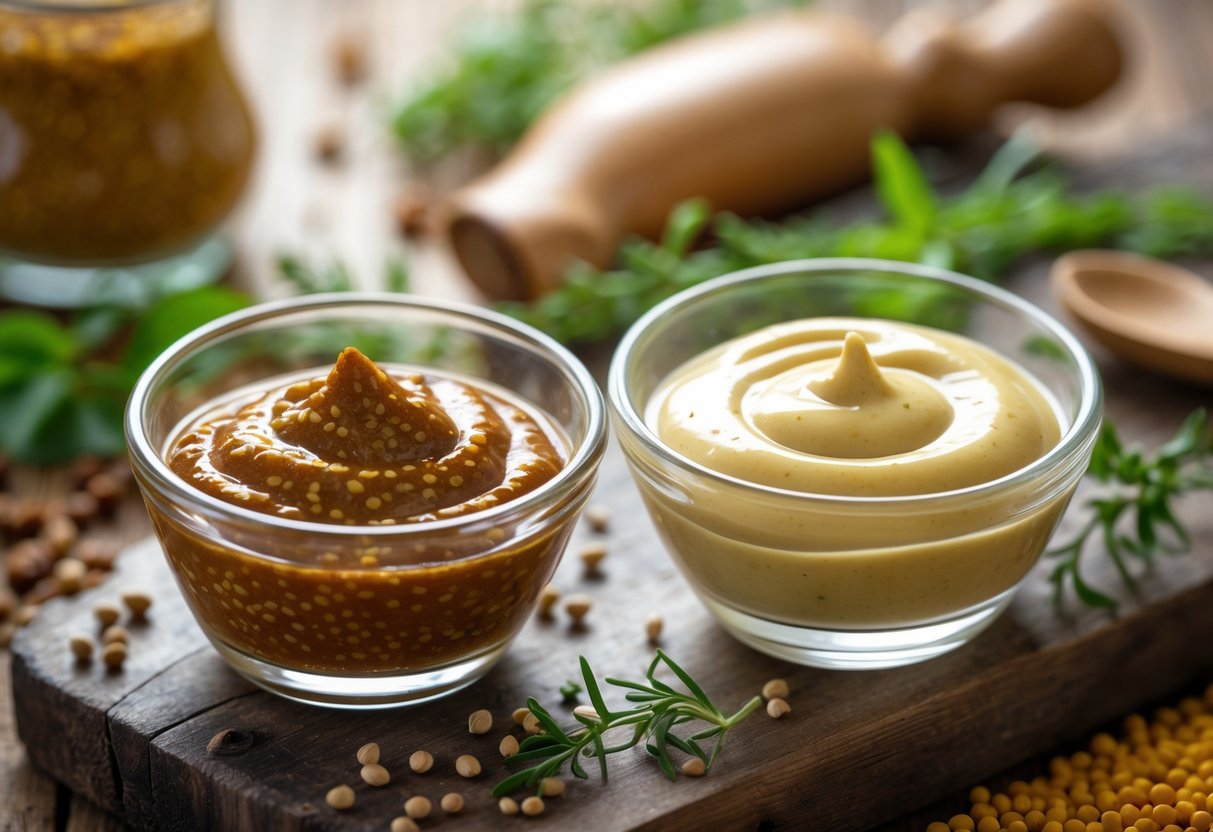
Let’s be honest: the mustard aisle can feel like a secret club with too many handshakes. You’re standing there, holding a hot dog in one hand and a jar of spicy brown mustard in the other, wondering if it’s the same as that fancy Dijon your friend uses in vinaigrettes. Spoiler alert: they are not the same, but the good news is you don’t need a culinary degree to tell them apart.
Think of spicy brown mustard as the loud, friendly cousin who shows up to every barbecue with a cooler of beer and a story about their lawnmower. It’s made from brown mustard seeds, which are coarsely ground, and it has that grainy, almost rustic texture you can actually see. The color is a deep, earthy yellow-brown, and the flavor hits you with a bold, horseradish-like kick that says, “I’m here to party.”
Dijon mustard, on the other hand, is the sophisticated sibling who studied abroad in Paris and now owns a nice raincoat. It’s made from brown or black mustard seeds that are ground super fine, then mixed with white wine or verjus (that’s the juice of unripe grapes). The result is a smooth, pale yellow paste with a sharp, clean tang that’s more “ooh la la” than “yeehaw.”
Must Read
So why should you care about the difference? Because slapping the wrong mustard on your lunch can ruin your whole vibe. Imagine you’ve made a beautiful roast beef sandwich with Gruyère and arugula. You reach for the Dijon, expecting a subtle zing. Instead, you get a gritty, peppery wallop from the spicy brown. Your sandwich is now confused, and so are you.
Now flip it. Picture a juicy bratwurst on a soft bun. You want that crunchy mustard seed texture and the nasal-clearing heat that cuts through the fatty sausage. If you smear Dijon on it, you’ll just taste a polite, winey whisper. The bratwurst will feel slightly betrayed, like it dressed up for a party and nobody noticed.
Here’s a little story: My dad was a devoted spicy brown man. He’d put it on everything except ice cream—and I suspect he tried that once. One Thanksgiving, my mom ran out and used Dijon on the ham glaze. He took one bite, paused, and said, “This ham got a promotion to manager.” That’s the truth of it: spicy brown is the hard-working blue-collar hero, while Dijon is the executive with a corner office.
In daily life, use spicy brown when you want texture and heat. Think: hot dogs, bratwurst, ham sandwiches, potato salad, or mixing into cheap deviled eggs when you’re feeling wild. It’s the mustard for picnics and tailgates—it can handle a little dirt on its boots.
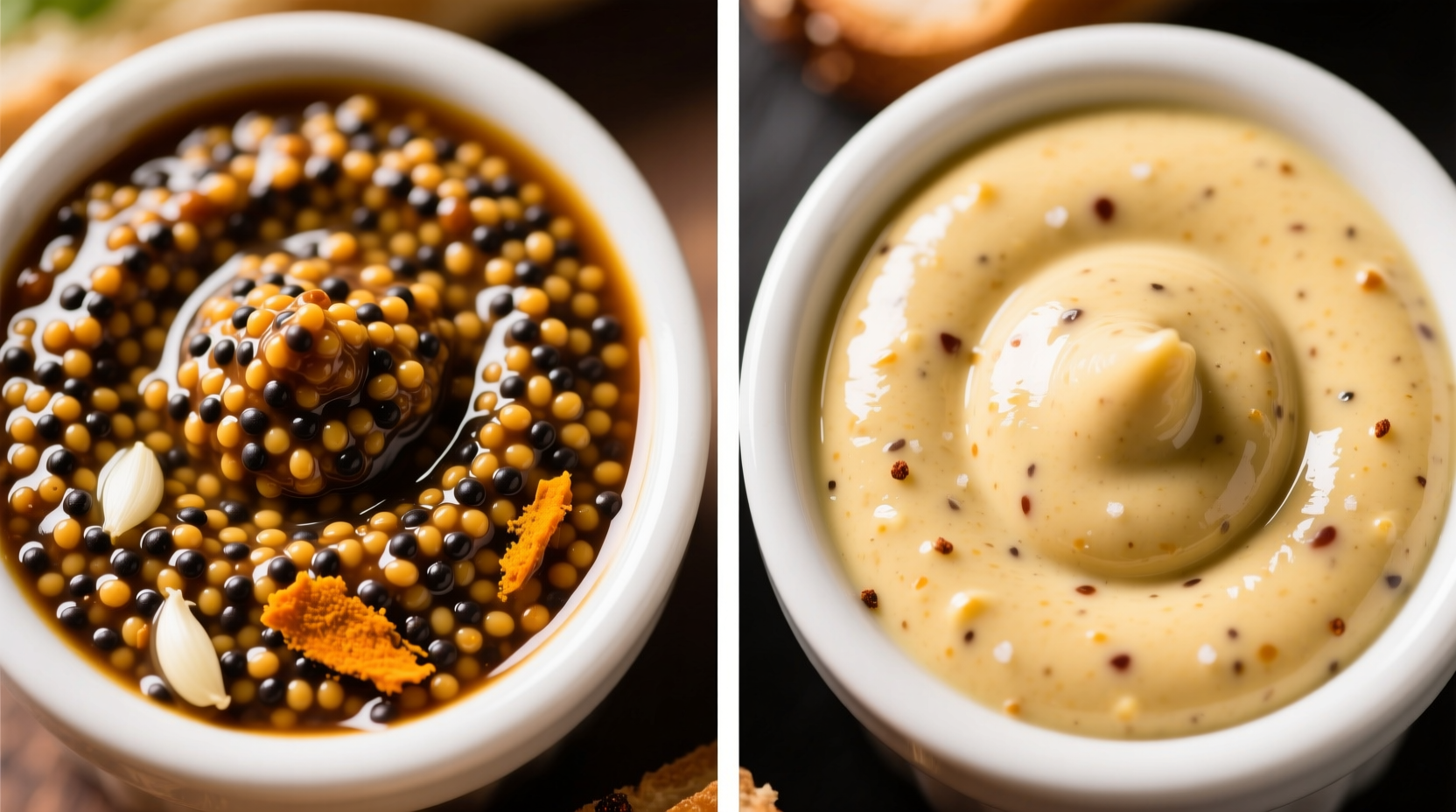 Spicy Brown vs Dijon Mustard: Clear Differences Explained
Reach for Dijon when you need creaminess and a smooth, sharp acidity. It’s amazing in vinaigrettes, marinades, cream sauces for chicken or fish, and even on a humble turkey sandwich where you want a classy lift. It emulsifies like a dream, which is just a fancy way of saying it makes your salad dressing stick together so your lettuce doesn’t look sad.
Can you swap them in a pinch? Sure, but expect a personality clash. If you’re out of Dijon and use spicy brown, your sauce might look a little chunky and taste more aggressive. If you use Dijon where spicy brown is called for, you’ll get a smoother result that might feel a bit shy. It’s like substituting your dad with your cool uncle—similar job, very different energy.
The real magic happens when you own both jars in your fridge. You become a two-mustard household, which means you’re ready for any culinary mood. One Tuesday night, you’re all about the smoky, gritty kick on a leftover pork chop. The next, you’re whisking Dijon into a creamy sauce for salmon, feeling like a très chic home chef.
And here’s a final smile-worthy thought: mustard is basically free therapy. You can’t ruin a meal with it—you can only make it more interesting. So whether you grab the spicy brown for a backyard burger or the Dijon for a fancy dinner, remember: you’re not just choosing a condiment. You’re choosing a vibe. And your taste buds will thank you for telling them the difference.
