Is Soft Cheese The Same As Cream Cheese

There’s something deeply satisfying about the smooth, spreadable luxury of a soft cheese draped over a warm bagel or folded into a creamy pasta sauce. Whether it’s a lazy Sund...
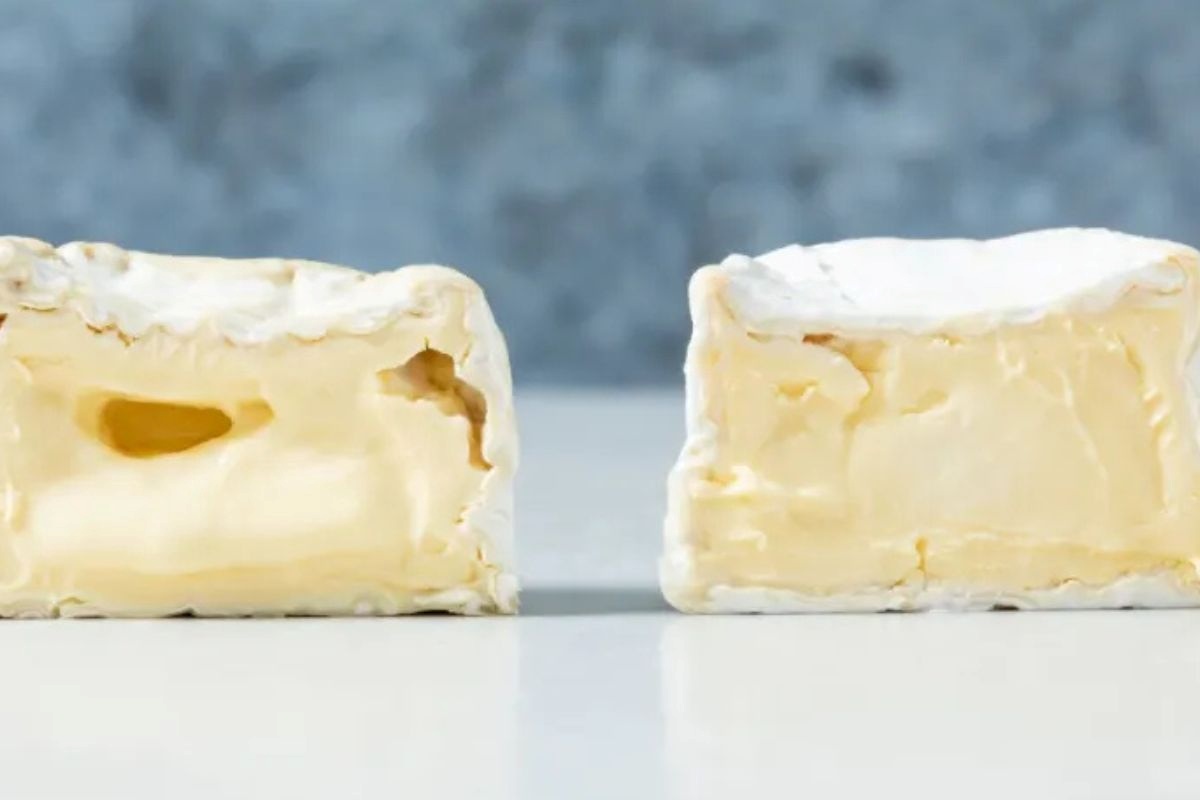
There’s something deeply satisfying about the smooth, spreadable luxury of a soft cheese draped over a warm bagel or folded into a creamy pasta sauce. Whether it’s a lazy Sunday brunch or a quick weekday lunch, we reach for these dairy delights to add richness and comfort. But as you stand in the grocery aisle, you might wonder: is soft cheese the same as cream cheese? The answer is both simple and surprising. Understanding the difference helps you cook better, save money, and enjoy your food more—because knowing what you’re eating is the first step to using it well.
At its core, soft cheese is a broad category that includes any cheese with a high moisture content and a short aging period. Think of it as a family tree. Under this canopy you’ll find fresh mozzarella, ricotta, cottage cheese, brie, and yes, cream cheese. Cream cheese, however, is a specific type of soft cheese. It is pasteurized, unripened, and made from a blend of milk and cream, giving it a tangy, mild flavor and a silky, dense texture. So, while all cream cheese is soft cheese, not every soft cheese is cream cheese. This distinction matters when you’re substituting ingredients or trying to achieve a particular texture in your recipes.
Why does this matter in everyday life? Imagine you’re making a classic cheesecake. The recipe calls for cream cheese because its high fat content and stabilizing gums (like carob bean gum) create that firm yet velvety slice. If you swap in ricotta or cottage cheese, you’ll get a grainier, less cohesive dessert—perhaps tasty, but not the same. On the other hand, if you’re spreading something on a cracker for a simple snack, brie or goat cheese offers a richer, more complex flavor than cream cheese. The benefit of knowing the difference is precision: you can choose the right tool for the job, whether that’s a celebratory cheese board or a no-fuss morning bagel.
Must Read
Soft cheeses bring unique benefits to your table that go beyond taste. Cream cheese is a powerhouse of convenience—it whips into frostings, melts into sauces, and stays stable in baking. Meanwhile, soft cheeses like ricotta are packed with protein and calcium, making them excellent for hearty lasagnas or stuffed shells. Fresh mozzarella adds a wonderful, milky pull to caprese salads and pizzas. By understanding their roles, you can maximize nutrition and flavor. For example, using cottage cheese instead of cream cheese in a savory dip cuts fat while still providing creamy texture—a simple swap for health-conscious cooks.
Let’s look at a real-world scenario. Picture hosting a small gathering. You want to serve a lush, elegant spread. Instead of placing one tub of cream cheese on the table, try offering three soft cheeses: a brie for its buttery decadence, a fresh goat cheese for its tangy brightness, and a whipped cream cheese blended with herbs for a versatile, crowd-pleasing base. Each serves a different purpose—brie for indulgence, goat cheese for contrast, and cream cheese for reliability. The result is a memorable tasting experience that highlights the variety within the soft cheese family. Your guests will appreciate the nuance, and you’ll feel like a culinary artist.
 Is Soft Cheese The Same As Cream Cheese? - ShiftyChevre
To explore this on your own, start with these simple tips. First, read the label when buying cream cheese—look for “pasteurized” and check the ingredient list for stabilizers; these guarantee the texture you expect. Second, experiment with pairings: spread fresh goat cheese on a bagel with smoked salmon and capers, or dollop ricotta over honey and figs for a quick dessert. Third, try making your own cream cheese at home by straining yogurt or buttermilk—it’s surprisingly easy and gives you control over tanginess. Finally, don’t be afraid to mix soft cheeses in recipes. A combination of cream cheese and mascarpone can elevate a frosting, while blending ricotta and cream cheese yields a lighter cheesecake filling. The key is to taste as you go and let your palate guide you.
In the end, soft cheese and cream cheese are not interchangeable labels, but they are partners in a delicious dance. Soft cheese is the broad, welcoming category; cream cheese is the dependable, beloved member that often steals the spotlight. By appreciating their differences and similarities, you unlock a world of culinary possibilities—from simple morning rituals to sophisticated evening creations. So next time you reach for that familiar block, remember: you’re not just grabbing a spread; you’re making a choice that honors tradition, texture, and taste. Enjoy the journey, one creamy bite at a time.