Is Self Rising The Same As All Purpose Flour

We've all been there. You pull out a recipe, it says "all-purpose flour," but in the cupboard you see "self-rising." You think, "A flour's a flour, right?" Not quite. The sho...

We've all been there. You pull out a recipe, it says "all-purpose flour," but in the cupboard you see "self-rising." You think, "A flour's a flour, right?" Not quite.
The short answer? No, they are not the same. These two flours are cousins, sure, but calling them interchangeable is like saying a bicycle is the same as a car. Both will get you somewhere, but the ride looks pretty different.
So, What's Actually Different?
All-purpose flour is your everyday, do-everything kind of flour. It's got a moderate protein content, it's clean and simple, and it works in just about any recipe you throw at it.
Must Read
Self-rising flour, on the other hand, is all-purpose flour's overachieving cousin. It already has baking powder and salt mixed right in, so it's basically ready to rise without you doing extra work.
Think of it this way: all-purpose flour is like a plain white t-shirt. Self-rising flour is that same t-shirt but with the collar already pressed and a little perfume sprayed on — it comes with extras built in.
What Happens If You Swap One for the Other?
Here's where things get a little funny. Use self-rising flour in a recipe that calls for all-purpose and tells you to add baking powder? You might end up with a pancake that launches off the griddle.
That's because you just doubled up on the leavening agent. The flour already had it, and then your recipe added more. Your biscuits won't be fluffy — they'll be aggressively fluffy.
 Self Rising Flour vs Bread Flour: What's the Difference? | Self rising
Going the other way is just as tricky. If a recipe calls for self-rising flour and you grab all-purpose instead, nothing will rise. You'll pull a flat, sad cookie out of the oven and wonder what went wrong.
But Can You Make Your Own Swap?
Absolutely! This is one of those little kitchen hacks that makes you feel like a genius. To turn all-purpose flour into self-rising flour, just mix in 1½ teaspoons of baking powder and ¼ teaspoon of salt per cup.
Conversely, if you only have self-rising flour and need all-purpose, just leave out the baking powder and salt the recipe calls for. The flour already contains them, so you'd just be adding what it already has.
It's like telling someone who's already wearing a coat that they should put on a coat. Redundant, and probably a little uncomfortable.
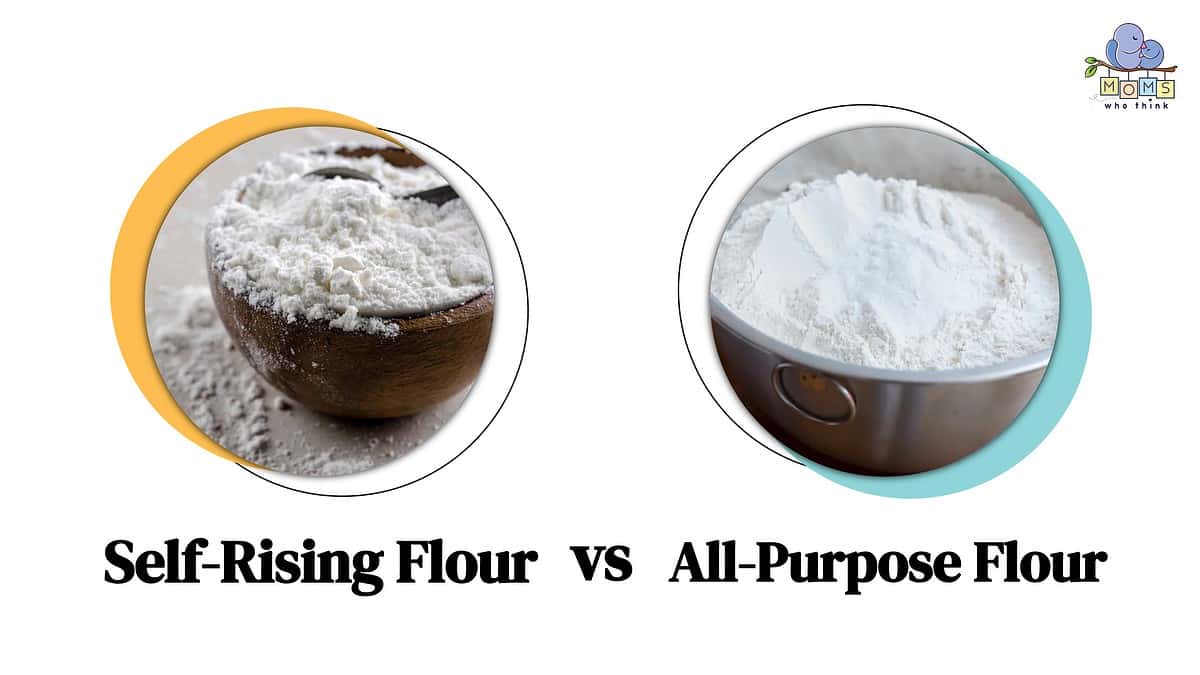 Difference Between Self Rising And All Purpose | Detroit Chinatown
Why Should You Even Care?
Because a small swap like this can completely change your result — and not in a good way. We've all bitten into a muffin that was either rock-hard or tasted like baking soda, and it's never a happy moment.
Cooking isn't about perfection, of course. But knowing the difference between these two flours saves you from those "what happened to my recipe" moments that steal your joy.
A Quick Way to Remember
Self-rising flour = flour + leavening + salt (it's pre-mixed for you).
All-purpose flour = just flour (you add everything else yourself).
 Self-Rising Flour
If you remember nothing else from this entire article, let those two lines stick. That's really all there is to it.
The Everyday Bottom Line
Neither flour is better than the other — they each shine in their own recipes. Southern biscuits and quick breads love self-rising flour, while cakes, cookies, and breads lean on all-purpose.
So next time you reach into that pantry, take a quick peek at the label. And hey, a two-second check beats an hour of sad, flat baked goods every single time.
Because in the end, good cooking isn't about fancy chef knowledge. It's about knowing your ingredients well enough to make everyday meals turn out exactly the way you hoped they would. And trusting me on this — that little bag of self-rising flour? It's not the same. And now you know why.
