Is Salami And Pepperoni The Same

Welcome, fellow pizza lovers and deli enthusiasts! Have you ever stood in front of a glistening pile of cured meats, wondering what the real difference is between those two sp...

Welcome, fellow pizza lovers and deli enthusiasts! Have you ever stood in front of a glistening pile of cured meats, wondering what the real difference is between those two spicy, reddish discs that look so similar? It’s a question that has sparked friendly debates over sandwiches, charcuterie boards, and late-night snacks. Understanding the difference isn’t just for trivia night—it helps you pick the perfect spicy punch for your pizza, the right zip for your sub, or the ideal snack for your next party platter. Today, we’re unraveling this delicious mystery, and by the end, you’ll be the confident meat expert at your next get-together, making smarter choices that taste even better.
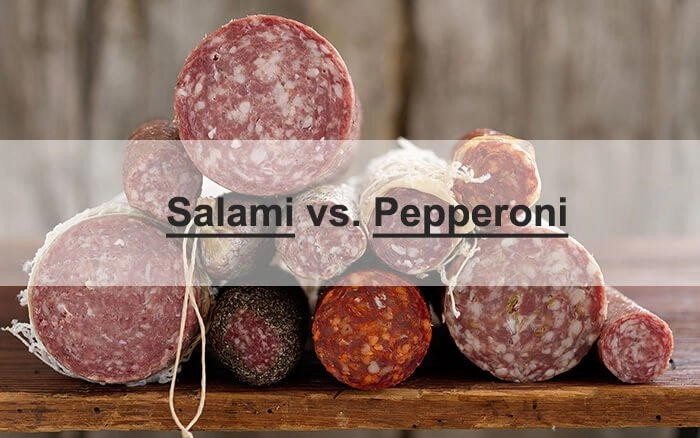
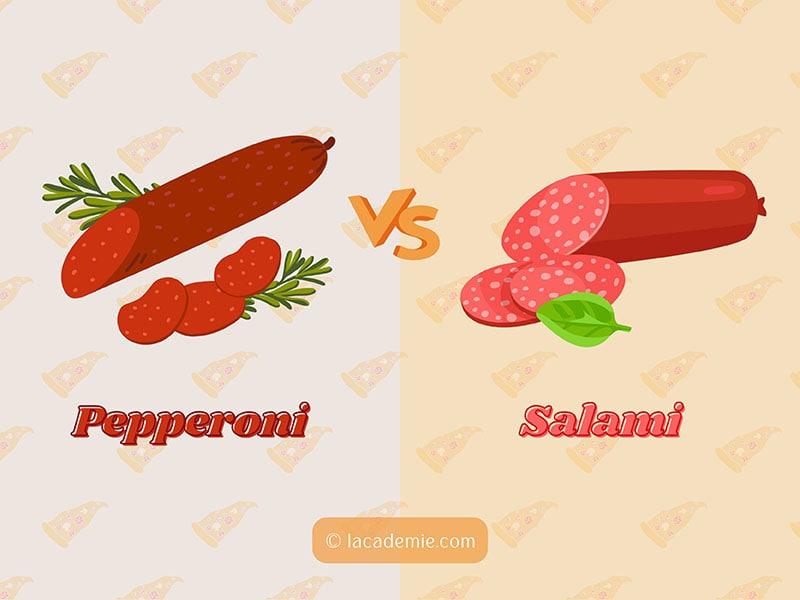
Let’s start with the core truth: salami and pepperoni are not the same, but they are close family—think of them as cousins, not twins. Salami is a broad category of cured, fermented sausages that have been made for centuries. It can be made from pork, beef, or even game, and it’s seasoned with garlic, salt, herbs (like oregano or fennel), and sometimes red wine. Pepperoni, on the other hand, is a specific type of salami that originated in America, invented by Italian immigrants in the early 20th century. It’s almost always a mix of pork and beef, and its defining characteristic is a heavy dose of paprika and chili pepper, which gives it that signature bright red color and a distinct, smoky heat. So, while all pepperoni is salami, not all salami is pepperoni. This distinction is the key to unlocking a world of flavors.
Now, imagine you’re building the perfect pizza. You want something that curls up into little crispy cups when baked, releasing a pool of orange, spicy oil. That’s pepperoni’s superpower. Its fine grind and specific fat-to-meat ratio allow it to crisp perfectly. In contrast, imagine a thick slice of Genoa salami on a charcuterie board. It’s marbled with white fat, has a softer, more supple texture, and a milder, more complex flavor profile—think garlic, peppercorns, and a touch of wine. You wouldn’t want a slab of Genoa on your pepperoni pizza (it would be too chewy and greasy), just as you wouldn’t want a blanket of greasy, cup-shaped pepperoni on a delicate Italian panino. The creative idea here is to swap them for different recipes: use thin-sliced Genoa salami on a breakfast bagel with cream cheese and capers, or tuck small strips of pepperoni into a cheese quesadilla for a spicy kick. Each meat has its perfect moment.
Must Read
Let’s bring in a fun example from the deli counter. Picture a classic Italian sub. It’s a layered masterpiece with mortadella, capicola, provolone, and—wait for it—salami. Typically, sopressata or Genoa is used here, because their robust, herby notes complement the other meats without overwhelming them. Now, imagine swapping that for pepperoni. The sandwich becomes one-note: hot, smoky, and loud. It’s not bad, but it’s not the balanced symphony of the original. On the flip side, imagine a Hawaiian pizza with ham and pineapple—it’s sweet and savory. Now add pepperoni? It becomes a masterpiece of salty-sweet-heat. But add salami? The mildness might get lost. This shows that context matters. The peppers and paprika in pepperoni are designed to stand out; the wine and herbs in salami are designed to mingle. Recognize their roles, and you become a culinary artist.
Now, here’s a practical tip for the home cook: read the label before you buy, and consider your cooking method. If you’re frying it for a crispy snack or adding to a quick pasta sauce, pepperoni is your best friend because it stays firm and releases flavor. If you’re serving it cold on a cheese plate or layering it in a cold sandwich, reach for a high-quality dry salami (like Felino or La Quercia), which offers a silky, melt-in-your-mouth texture that pepperoni can’t match. Also, don’t be afraid to explore regional varieties. Spanish salchichón is a peppery, paprika-infused salami that straddles the line between the two, while Hungarian pick salami is smoky and garlicky, a perfect alternative for those who want pepperoni-level intensity with a more elegant texture. Your taste buds are the ultimate judge, but knowledge is your guide.
 Pepperoni or Salami: The Ultimate Comparison 2024
Finally, let’s talk about the ultimate party trick: turning this knowledge into a tasting game. For your next gathering, buy three items: classic pepperoni, a Genoa salami, and a sopressata. Slice them all thin, arrange on a board with cubes of sharp provolone and a bowl of spicy honey. Invite your friends to taste them blind. Ask: “Which one has that bright red, almost electric color?” That’s the pepperoni. “Which one has the coarse, visible black peppercorns?” That’s likely the sopressata. “Which one tastes most like a wine-soaked, grassy field?” That’s the Genoa. This game not only impresses your friends but trains your palate. You’ll start noticing how fat distribution affects chewiness, how spice level changes from brand to brand, and why a little curing time makes all the difference. Before long, you’ll be the go-to person for the perfect meat selection, whether it’s for a pizza night or a holiday charcuterie board.
So, the next time you see those two red discs side by side, you won’t just see confusion—you’ll see opportunity. Salami is a universe of tradition, texture, and subtlety. Pepperoni is the loud, proud, spicy American star. They are different, but both are delicious in their own right. Embrace the difference, experiment with swaps, and never settle for “close enough.” Your pizzas will be crispier, your subs more complex, and your snack boards more adventurous. Now go forth and eat with confidence—you’ve earned this knowledge one delicious bite at a time.