Is Romaine Lettuce Bad For You

There’s something uniquely satisfying about the crunch of a fresh leaf of romaine lettuce. It’s the backbone of every Caesar salad, the sturdy vessel for your favorite taco fi...
There’s something uniquely satisfying about the crunch of a fresh leaf of romaine lettuce. It’s the backbone of every Caesar salad, the sturdy vessel for your favorite taco fillings, and the hero of a simple lunch wrap. This topic is so enjoyable because it touches on a daily question many of us face: “Is something I genuinely love to eat secretly bad for me?” The main purpose here isn’t to scare you away from your salad bowl, but to offer a balanced, practical look at what romaine brings to the table—and what you might want to keep an eye on. Whether you’re a health-conscious meal-prepper or a casual diner at a burger joint, understanding this leafy green helps you make better choices without giving up that satisfying bite.
Let’s start with the good news: romaine lettuce is incredibly nutrient-dense for its low calorie count. A single cup of shredded romaine provides a hefty dose of vitamin A (great for your eyesight), vitamin K (essential for blood clotting and bone health), and folate (a B vitamin crucial for cell growth). It’s also packed with water, which keeps you hydrated and helps your digestive system run smoothly. For people looking to manage their weight, romaine is a fantastic low-calorie base that adds volume and crunch to meals without adding many calories. Think of it as a volumizer—it lets you feel full and satisfied while keeping your energy intake in check.
But here’s where the “bad for you” question gets real: food safety is the primary concern with romaine. Because it’s often eaten raw and has a texture that can trap bacteria, romaine has been linked to several outbreaks of E. coli and Salmonella over the past decade. These contaminations usually happen at the farm level, often from contaminated irrigation water or animal waste. This doesn’t mean romaine is inherently dangerous, but it does mean you should treat it with care. For families with young children, elderly members, or anyone with a weakened immune system, the risks are more significant, and you might choose to cook romaine (think grilled romaine hearts) or buy it from reputable, traceable sources.
Must Read
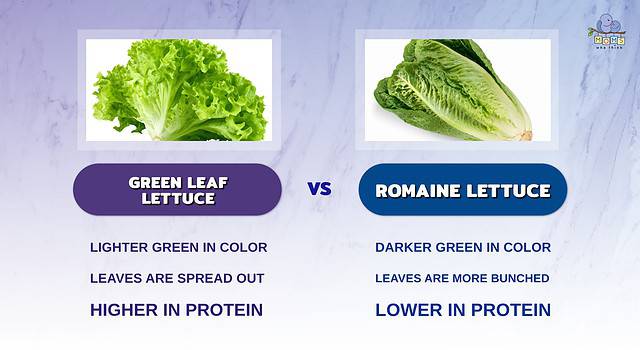
Another nuance is the nutritional trade-off compared to darker greens. While romaine is excellent, it’s not as nutrient-packed as kale, spinach, or arugula. Those darker leaves have more iron, calcium, and antioxidants per bite. If your salad goal is to maximize vitamin and mineral density, you might want to mix romaine with other greens. However, romaine’s milder flavor and crisp texture make it more palatable for picky eaters and kids. It’s a gateway green—it gets people eating vegetables who might otherwise skip them entirely. That’s a huge win for overall health.
So, how do you make romaine work for you without worry? Start with these simple, actionable tips. Buy whole heads of romaine instead of pre-chopped bags—whole heads have less surface area for bacteria to cling to, and you can wash them more thoroughly. Always rinse the leaves under cold running water, even if the package says “pre-washed.” Pat them dry with a clean towel or use a salad spinner. Another tip: store romaine in the refrigerator at or below 40°F (4°C) and use it within a few days of purchase. If you see any slimy or wilted leaves, toss them immediately.
 Does Romaine Lettuce Go Bad? - PokPokSom
For those who love a good Caesar salad, consider grilling or roasting your romaine. This not only kills any surface bacteria but also adds a smoky, caramelized flavor that transforms the texture. Simply halve a romaine heart, brush with oil and a pinch of salt, and grill for 1–2 minutes per side. It’s a game-changer. You can also chop and sauté romaine with garlic and olive oil as a quick side dish—much like you would spinach. Cooking romaine removes the raw-food safety risk entirely while retaining much of its mild taste and crunch.
At the end of the day, romaine lettuce is not inherently bad for you. It’s a low-calorie, hydrating source of essential vitamins that supports a balanced diet. The real challenge is the modern food system’s potential for contamination, which is a problem we should address as consumers—by washing well, cooking occasionally, and buying from trusted sources. So go ahead, enjoy your crunchy, cool romaine. Just be smart about it, and you’ll get the benefits without the worry. Your taste buds and your body will thank you for that perfect crunch, every time.