Is Puerto Rico A 3rd World Country

So, you’re scrolling through Instagram, see a dazzling shot of a bioluminescent bay in Puerto Rico, and then a comment pops up: “But isn’t it a third-world country?” Oof. That...
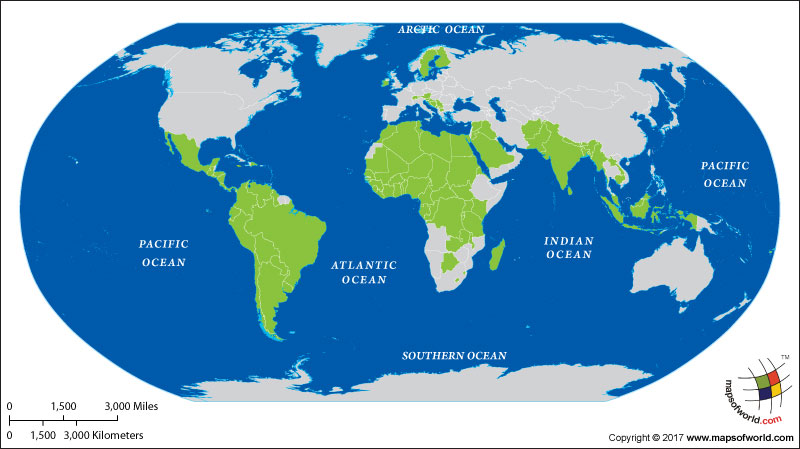
So, you’re scrolling through Instagram, see a dazzling shot of a bioluminescent bay in Puerto Rico, and then a comment pops up: “But isn’t it a third-world country?” Oof. That one stings, right? Let’s put down the phone and unpack this. I promise, no dry textbooks—just a friendly chat over coffee (or a piña colada, if you’re on island time).
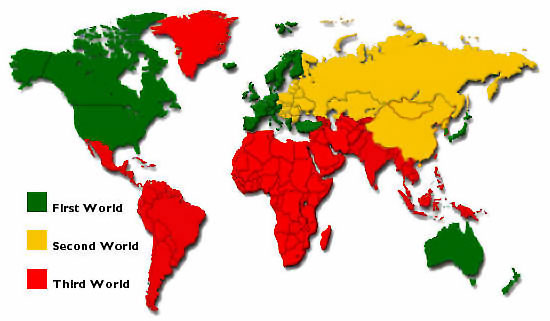
First, let’s clear the air. The term “Third World” is ancient history—it was a Cold War label for countries not aligned with NATO or the Soviet bloc. We’re not in a spy thriller, folks. Today, it’s often used as a lazy shorthand for “poor” or “struggling infrastructure,” which is about as accurate as calling a mango a potato because they’re both food. Spoiler alert: Puerto Rico is neither a mango nor a potato.
On one hand, the island faces real challenges. The power grid? It’s been through more drama than a telenovela—Hurricane Maria knocked it out in 2017, and it’s still limping along. Roads can get potholey, and bureaucracy sometimes feels like you’re trying to untangle Christmas lights while blindfolded. But here’s the twist: Puerto Rico is a U.S. territory. That means you use the dollar, you can hop on a flight to New York without a passport, and you get—mostly—American services. It’s not a “developing nation” in the classic sense; it’s a weird, beautiful hybrid of Caribbean charm and American red tape.
Must Read
Now, let’s talk lifestyle. Have you ever met a Puerto Rican? They’ll invite you to dinner even if they just met you. That’s not “third world”—that’s a warm soul. The hospitals? Major ones are world-class (especially in San Juan), and the internet? Fast enough to stream Bad Bunny’s latest album while you’re ordering takeout mofongo. See? Not what you’d expect from a “third world” stereotype.
But here’s the kicker—the economic stats are rough. Unemployment can be high, poverty rates are real, and the debt crisis has been a heavy cloud. That’s not a “country” issue; it’s a colonial hangover. Puerto Rico can’t declare its own trade deals or bankruptcy laws (thanks, 1898!). So it’s stuck between two worlds: not a full nation, not a state. Think of it as a teenager in a legal limbo—old enough to know better, but still waiting for the keys to the car.
So, is it a “third world country”? Nope. It’s a U.S. territory with first-world amenities (hello, Amazon Prime delivery to most doors) that’s weathering some serious second-world headaches. Calling it “third world” is like calling Hawaii a “polynesian backwater.” Please. You don’t get world-class rainforests, historic forts, and a thriving arts scene by being “backward.”
 Capital of Hispanic/Latino America. (In the U.S. of course) (purchasing
Here’s where we tie the bow, friend. Puerto Rico isn’t a “country” at all, but it’s undeniably a powerhouse of spirit. The people dance through blackouts, celebrate life in the rain, and serve you the best coffee you’ve ever had—while joking about the potholes. The island is a masterclass in resilience, not a statistics textbook.
Next time someone throws the “third world” label around, smile and say: “Actually, it’s a first-class archipelago with a complicated zip code.” Then hand them a piece of quesito (cheese pastry) and let the sweet, flaky goodness do the talking. Because at the end of the day, whether you’re sipping rum in Old San Juan or arguing about the power company, Puerto Rico reminds us that labels are for cans, not for islands—and especially not for ones with so much soul.
Now, go book that trip. The beaches are waiting, and the piña coladas are calling. 🍍🌊
