Is Propylene Glycol The Same As Vegetable Glycerin

Unraveling the Mystery: Propylene Glycol vs. Vegetable Glycerin Ever found yourself squinting at the ingredients list on your skincare or vape juice bottle, wondering if 'pro...
Unraveling the Mystery: Propylene Glycol vs. Vegetable Glycerin
Ever found yourself squinting at the ingredients list on your skincare or vape juice bottle, wondering if 'propylene glycol' and 'vegetable glycerin' are just fancy aliases for the same thing? Spoiler alert: they're not. So, let's dive into these two common yet distinct compounds, and bust this myth once and for all.
First Things First: What Are They?
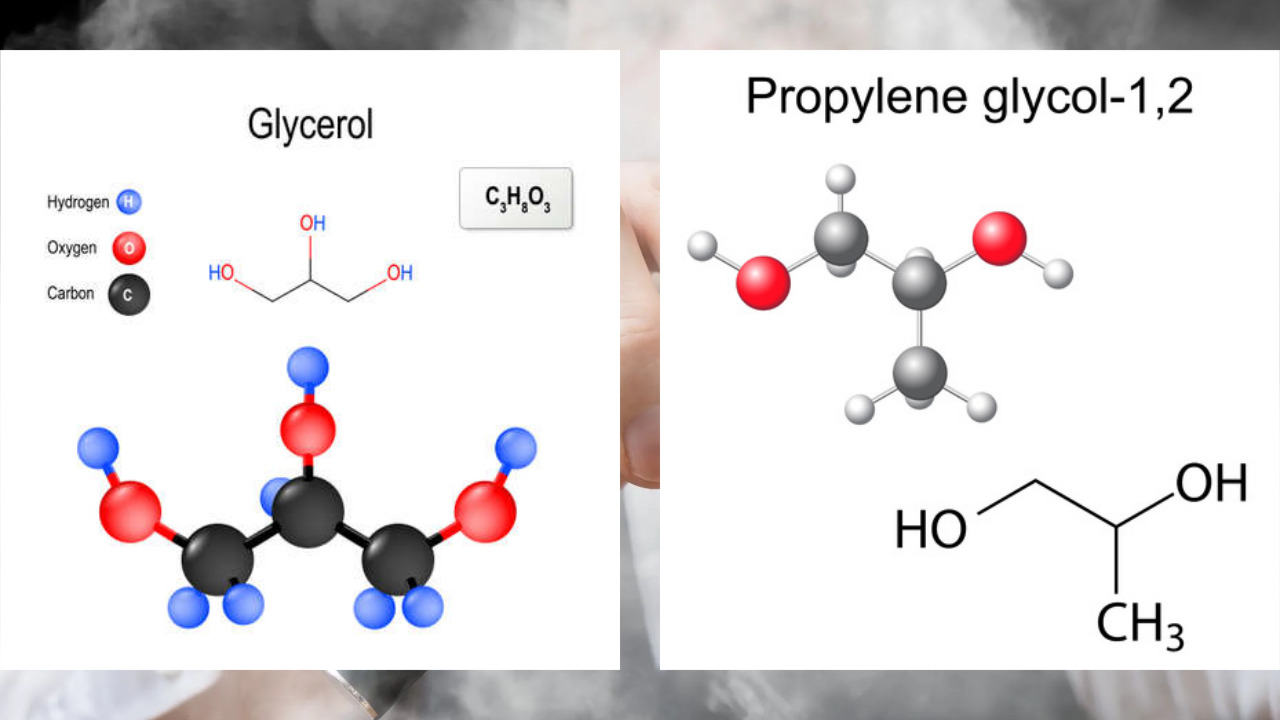
Propylene glycol (PG) and vegetable glycerin (VG) are both organic compounds, but they're derived from different sources and have distinct properties.
Propylene glycol is a synthetic compound, typically derived from petroleum or natural gas. It's a popular ingredient in e-liquids, antifreeze, and even some cosmetics due to its ability to retain moisture and act as a solvent.
Must Read
Vegetable glycerin, on the other hand, is a natural byproduct of the soap-making process, derived from plant oils such as palm, coconut, or soy. It's often used in skincare, food, and, you guessed it, e-liquids, thanks to its humectant properties and sweet taste.
So, What's the Difference?
The main difference lies in their origins and properties.
PG is a small, thin molecule that easily penetrates the skin and has a low viscosity, making it a popular choice in cosmetics and e-liquids. It also has a slightly sweet, neutral taste, and a low glycemic index, making it suitable for food applications.
VG, however, is a larger, thicker molecule that doesn't penetrate the skin as easily. It has a higher viscosity, giving it a thicker consistency, and a sweet, slightly viscous taste. It's often used in skincare for its moisturizing properties and in e-liquids for its ability to produce large vapor clouds.
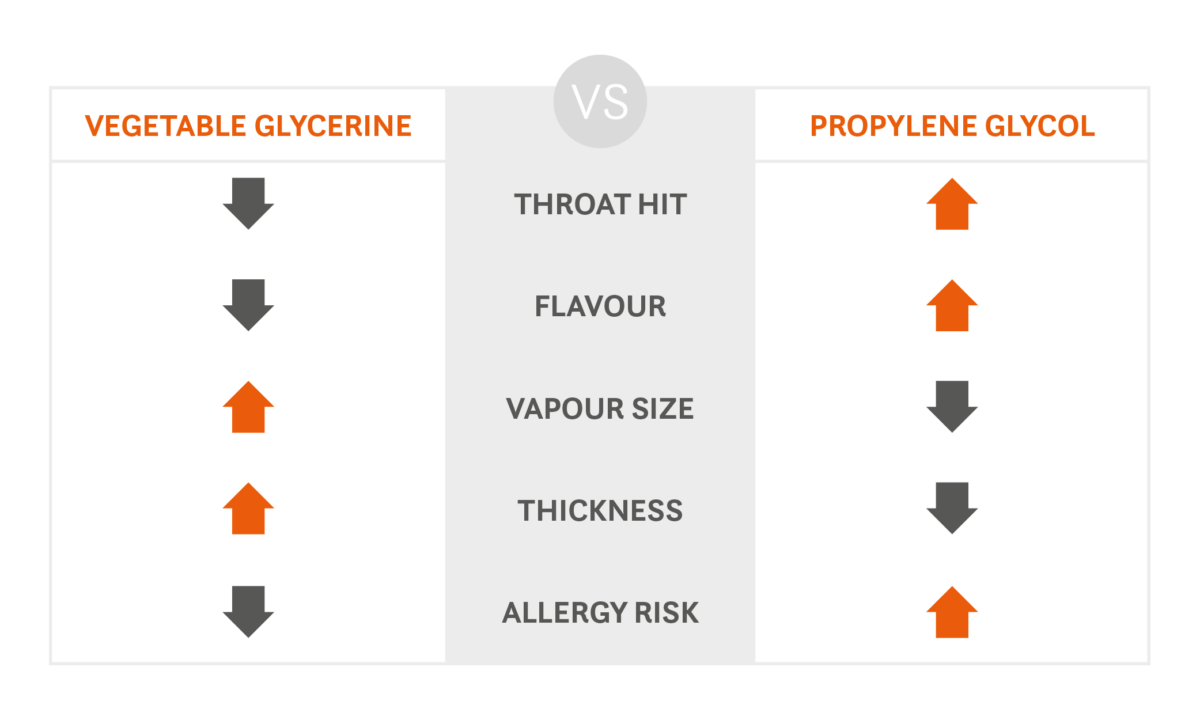 The differences between glycol and glycerine - when to use which?
Fun Facts and Practical Tips
Did you know that PG is also used in fog machines to create that dramatic, theatrical effect? And VG is a key ingredient in many sugar-free gums and candies, thanks to its sweet taste and low calories.
If you're into vaping, knowing the difference between PG and VG can help you choose the right e-liquid. PG-based liquids tend to have a stronger throat hit and produce less vapor, while VG-based liquids produce larger clouds but have a smoother throat hit.
In skincare, both PG and VG serve as humectants, helping to retain moisture. However, if you have sensitive skin, you might want to opt for VG-based products, as PG can sometimes cause irritation.
Reflection: The Art of Knowing Your Ingredients
In the vast world of skincare, vaping, and food, it's easy to get overwhelmed by the sheer number of ingredients. But understanding the basics, like the difference between PG and VG, can empower us to make informed decisions about what we put into and onto our bodies.
So, the next time you're perusing the shelves at your local store, take a moment to read the labels. You might just discover something fascinating, like the fact that your favorite lip balm or vape juice contains a compound that's also used in fog machines. The world of ingredients is a vast and intriguing one, and every label is a ticket to explore it.
