Is Peppermint And Mint The Same

We all recognize that invigorating tingle in a cup of tea or the cool sensation in a toothpaste. These moments are often attributed to “mint,” a flavor we love for its refresh...
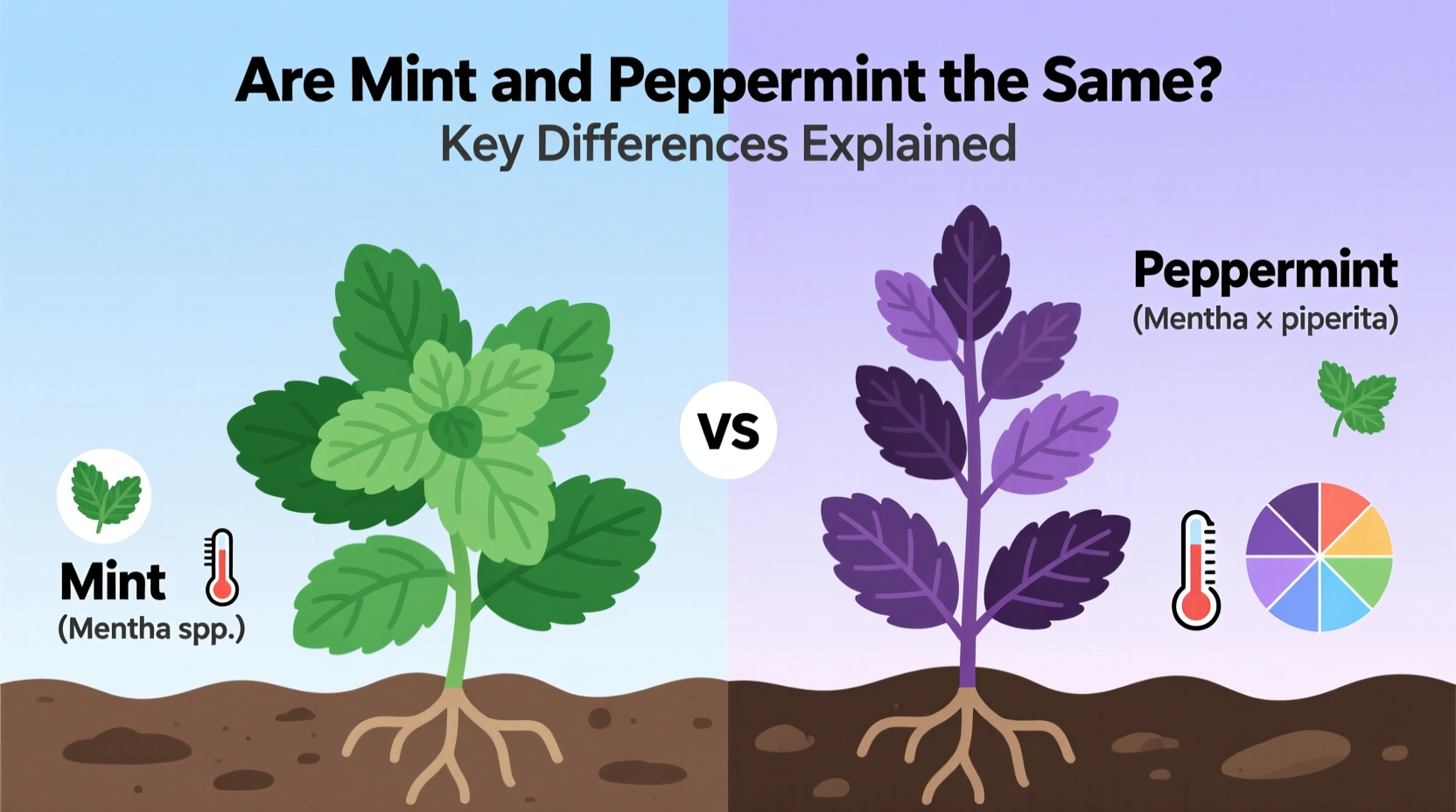
We all recognize that invigorating tingle in a cup of tea or the cool sensation in a toothpaste. These moments are often attributed to “mint,” a flavor we love for its refreshing clarity and ability to soothe an uneasy stomach. But when you stand in the grocery aisle, you see labels for both “peppermint” and “spearmint,” and you might wonder: is peppermint and mint the same? The answer is both simple and surprisingly complex, because while all peppermint is a type of mint, not all mint is peppermint. Understanding this distinction helps you choose the right herb for your cooking, health, and wellness routines.
Think of “mint” as a large family, with the botanical name Mentha. This family includes many different species and hybrids, each with its own subtle flavor profile. The most common members you’ll encounter are peppermint (Mentha x piperita) and spearmint (Mentha spicata). Peppermint is actually a natural hybrid, a cross between watermint and spearmint. This lineage gives it a very distinct character: it contains a high concentration of a compound called menthol, which produces that intense, cooling sensation. Spearmint, in contrast, contains less menthol and more carvone, leading to a milder, sweeter, and less icy flavor. So, if you feel a strong “blast” in your mouth, you are likely tasting peppermint.
The key purpose of distinguishing between these herbs is to access their unique benefits for everyday life. For example, if you are suffering from a tension headache or indigestion, peppermint is your ally. Its high menthol content acts as a natural muscle relaxant and can help clear congested sinuses, which is why peppermint oil is a staple in aromatherapy. For a more subtle touch, such as in a classic Mojito cocktail or a gentle cup of tea for children, spearmint is often preferred. Its softer profile won’t overpower the other ingredients, making it a versatile culinary herb for salads, sauces, and lamb dishes. Knowing which one to use can transform a simple beverage from ordinary to therapeutic.
Must Read
This difference plays out clearly in our daily routines. Imagine it is a hot summer afternoon. You reach for a glass of iced tea; if you want a sharp, cooling jolt that wakes up your senses, you will choose a peppermint tea bag. The menthol will create a sensation of coolness even on a hot day, a phenomenon known as thermal sensation. Now, picture a fresh garden salad. You want to sprinkle some green leaves that add a pleasant, sweet note without dominating the other flavors. Here, spearmint leaves are the perfect choice, offering a gentle lift. Likewise, a peppermint candy might be the strong antidote to nausea, while a spearmint gum is the go-to for fresh breath throughout the afternoon without that overpowering tingle.
For those looking to explore these herbs on their own, start with a simple taste test. Purchase both a bunch of fresh spearmint and a bunch of fresh peppermint from a farmers’ market or grocery store. Rub a single leaf between your fingers and inhale deeply. The peppermint will feel almost cold and sharp, while the spearmint will smell sweet and grassy. Then, make two simple teas: steep one leaf of each in hot water for three minutes. Notice how the peppermint tea is more intense and almost medicinal, while the spearmint is lighter and more refreshing. This hands-on experience will solidify the difference far better than any description.
 Spearmint vs. Peppermint: Choosing the Best Mint for You (2026)
Another tip for your home garden is to be mindful of their growth habits. Both are aggressive perennials, but peppermint tends to be more robust and invasive. If you are planting mint for a specific flavor, you must decide: do you want the powerful, menthol-dominant peppermint for teas and oils, or the sweeter, milder spearmint for cooking and garnishes? I recommend planting both in separate containers to prevent them from crossing and taking over your garden. You can then harvest leaves throughout the summer, using peppermint for a post-meal digestive aid and spearmint for a refreshing, mid-morning iced drink.
In conclusion, while the average person may use the word “mint” loosely to describe a fresh flavor, the informed enthusiast knows that peppermint and mint are not identical. The mint family offers a spectrum of aromas and health benefits, with peppermint being the powerful, cooling specialist and spearmint its sweeter, gentler cousin. By learning to differentiate them, you unlock a more precise approach to cooking, wellness, and even gardening. Next time you reach for that breath mint or cup of tea, take a moment to appreciate which type you are choosing—and enjoy the specific gift that each one brings to your day.
