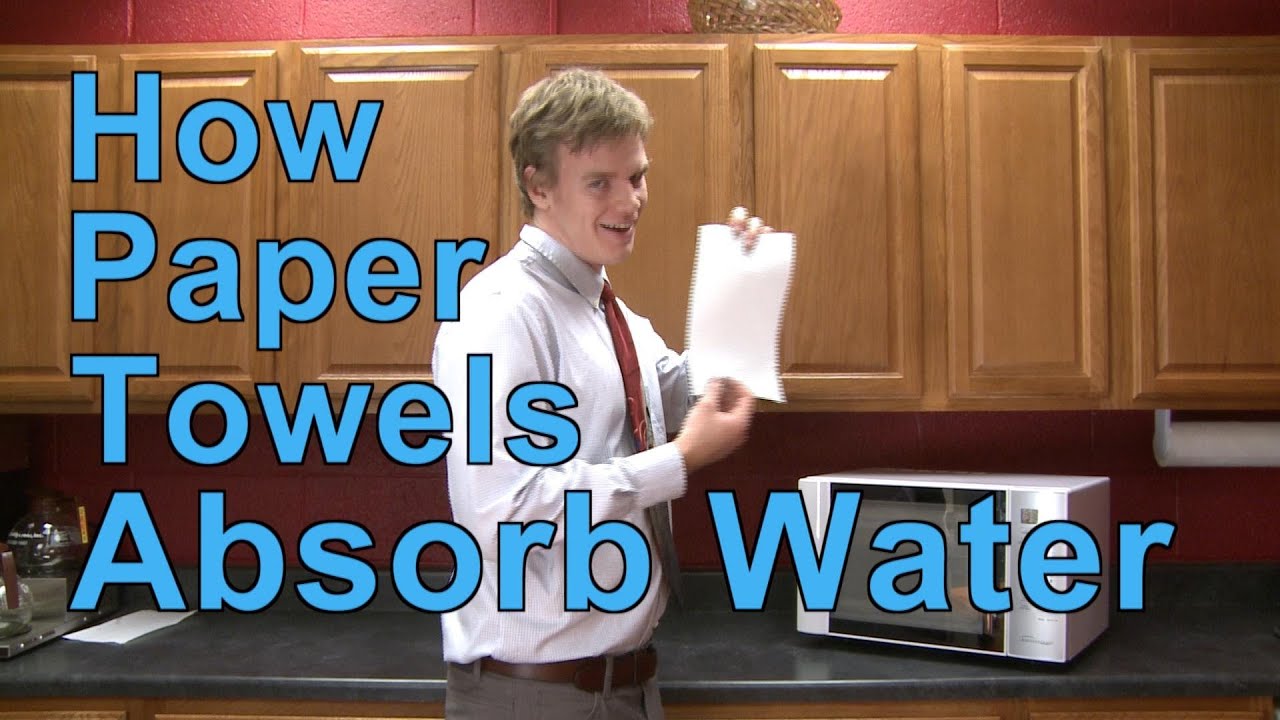
Is Paper Towel Absorbing Water A Chemical Change

Welcome, curious minds! Have you ever found yourself staring at a spilled glass of water, watching a paper towel magically drink it up, and wondered, "Is this a chemical chang...
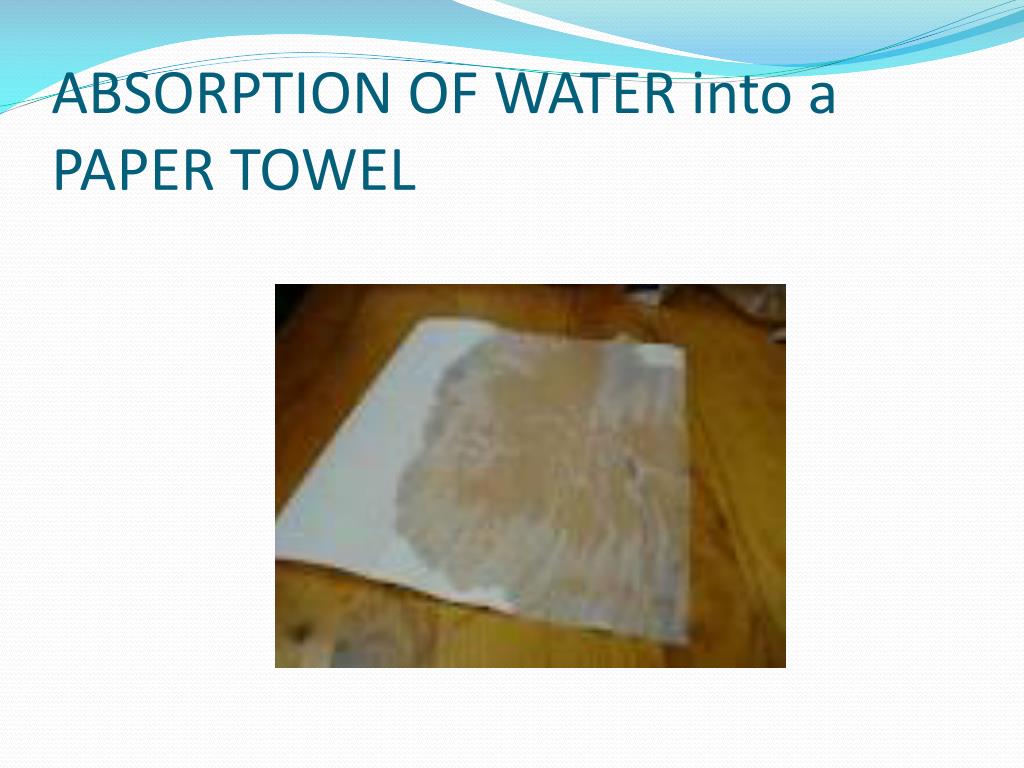
Welcome, curious minds! Have you ever found yourself staring at a spilled glass of water, watching a paper towel magically drink it up, and wondered, "Is this a chemical change or just a physical one?" It might sound like a question for a science textbook, but trust me—it’s one of the most fun puzzles you can solve with everyday items. Understanding this helps you see the world differently, turning a simple kitchen spill into a mini-lab experiment. Plus, it’s a great party trick: next time someone asks, you can confidently explain why paper towels are not violating the laws of chemistry. Let’s dive into the absorbent, splashy, and surprisingly clever science behind it!
The purpose of this little investigation is to clear up a common confusion: What actually defines a chemical change? A chemical change happens when a substance transforms into something completely new—think of baking a cake, where eggs and flour become a fluffy, irreversible sponge. On the other hand, a physical change is like folding a piece of paper: it looks different, but it’s still the same stuff. When paper towel sucks up water, the big question is: Does the water become a new substance? The advantage of knowing this is huge—it boosts your scientific literacy, helps you predict other household reactions (like why salt dissolves in water but doesn’t disappear forever), and makes you the smartest person at the kitchen table. No lab coat required!
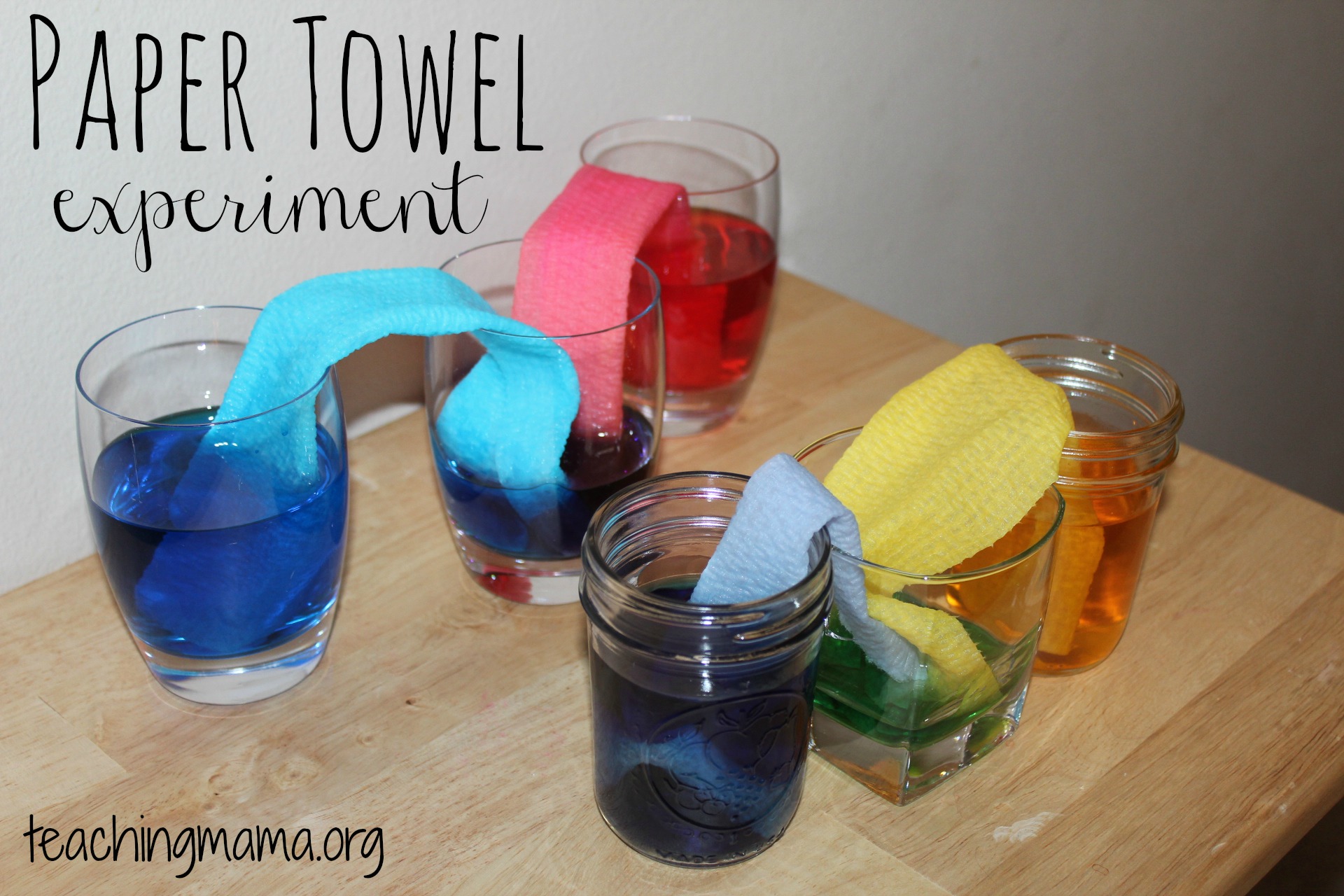
Now, let’s get creative. Imagine you’re a detective with a magnifying glass. You take a dry paper towel and a glass of water. The moment the towel touches the water, capillary action kicks in—that’s the real magic. Water molecules are physically pulled into the tiny spaces between the towel’s fibers, a bit like how a straw sucks up soda. But here’s the kicker: if you let the towel dry out, the water evaporates, leaving the towel just as it was before—same fibers, no chemical change. Try this fun experiment: draw a line with a washable marker on a paper towel, then dip the edge in water. The water will climb up, carrying the ink with it in a beautiful rainbow streak. That’s purely physical—the ink molecules are just traveling, not transforming into something new!
Must Read
Let’s tackle another example to lock it in. Have you ever squeezed a wet paper towel? The water comes right back out, dripping like a tiny rain cloud. If it were a chemical change, the water would have bonded permanently to the towel, and squeezing would be useless—you’d need a chemical reaction to break the bond. Instead, the water is just trapped in the fibers by hydrogen bonds (a fancy term for weak attractions), not chemically merged. Think of it like a sponge: you can wring it dry, and the sponge remains a sponge. No new acid, no gas bubbles, no color change—the classic signs of a chemical reaction are completely missing. So, spoiler alert: paper towel absorbing water is a physical change. Simple, right?
But wait—why does this matter in real life? Understanding this helps you nail practical tasks. For example, when cleaning up a spill, you want physical absorbency, not a chemical reaction that might ruin your countertop. If you mistakenly thought it was a chemical change, you might panic and throw away perfectly good towels (don’t—they can be composted). Here’s a tip: Use paper towels with textured patterns—the ridges create more air pockets, increasing physical absorption. And if you’re feeling extra science-y, try the “towel tower” challenge: stack two different brands and see which one holds more water. The winner is the one with the best capillary action—purely physical, purely fun.
 Water Cycle Printables - Teaching Mama
For those who want to dive deeper (pun intended), here’s a practical DIY experiment. Grab a paper towel, a glass of water, and a few drops of food coloring. Dip the towel slightly into the colored water and watch it climb. Measure how high it goes in one minute; that’s your “absorption speed.” Now, try it with a wet towel vs. a dry one—see how a pre-wet towel absorbs less because the fibers are already full? That’s proof it’s a physical space-filling process. You can also test with oil (paper towels love oil too, but it’s still physical—just different surface tension). Pro tip: Record your results in a notebook, and you’ll quickly realize that chemistry is about making new stuff, while physics is about moving old stuff around. Boom—you’re a scientist now.
Finally, let’s wrap up with a warm truth: the next time you spill your morning coffee and grab a paper towel, you can smile. No chemical change has occurred—just the beautiful, predictable dance of physical forces. Water molecules are simply taking a ride through the towel’s fibrous roads, a journey that’s entirely reversible. This knowledge isn’t just academic; it gives you superpowers in the kitchen. You can choose the right towel for the job, avoid wasting materials, and even impress your friends with a spontaneous science talk. So go ahead—spill something on purpose (hey, it’s for science) and watch the magic of physical change unfold. Who knew a paper towel could teach such a big lesson?