Is Pancakes Cooking On A Griddle A Chemical Change

So, you’re standing over a hot griddle, flipping a pancake, and a deep, philosophical question bubbles up from the batter: Is this a chemical change? I mean, you’re not trying...

So, you’re standing over a hot griddle, flipping a pancake, and a deep, philosophical question bubbles up from the batter: Is this a chemical change? I mean, you’re not trying to turn lead into gold, just breakfast. But hold onto your spatula, because the answer is way more exciting than you’d think.
Let’s start with the easy stuff. A physical change is like moving your furniture around. You still have a couch; it’s just in a different spot. A chemical change is like setting that couch on fire. You no longer have a couch; you have smoke, ash, and a very angry landlord. So, which one is pancake batter on a griddle?
Spoiler alert: It’s a spectacular, bubbling, browning chemical change. You are literally creating a new substance from old ones. That sad, gloppy batter in the bowl? It’s a mix of flour, eggs, milk, and baking powder. The golden, fluffy disc on your plate? That’s a whole different beast.
Must Read
The Science Geekery (But the Fun Kind)
Here’s where the magic happens. When you heat the batter, the baking powder (a base) reacts with the liquid (an acid) to create carbon dioxide gas. Those tiny bubbles are what make your pancake rise, not some breakfast wizard. If it were just a physical change, your pancake would be a sad, flat tortilla.
But the real fireworks are in the Maillard reaction. That’s the fancy name for what happens when heat meets amino acids and sugars. It’s the same reaction that turns a raw steak into a seared masterpiece or bread into toast. It creates hundreds of new flavor compounds—compounds that didn't exist in the raw batter.
Think of it this way: your raw batter smells like wet flour and sadness. Your cooked pancake smells like butter, vanilla, and pure happiness. That’s a chemical change, baby. You can’t “un-cook” a pancake. Once the molecules have rearranged themselves, there's no going back. Try putting a pancake back into the bowl of batter. Go ahead, I’ll wait. (Don’t actually do that; it’s gross.)
The Great “Browning” Debate (and a Lie Detector Test)
Some people argue that browning is just a physical change—like tanning at the beach. But no. Tanning is your skin producing melanin (a chemical reaction), and so is browning batter. When the sugars caramelize, they break into smaller molecules. When proteins denature, they unwind and form new bonds. These are irreversible chemical shifts.
 Breakfast Grilling Guide Start Mornings on the Grill
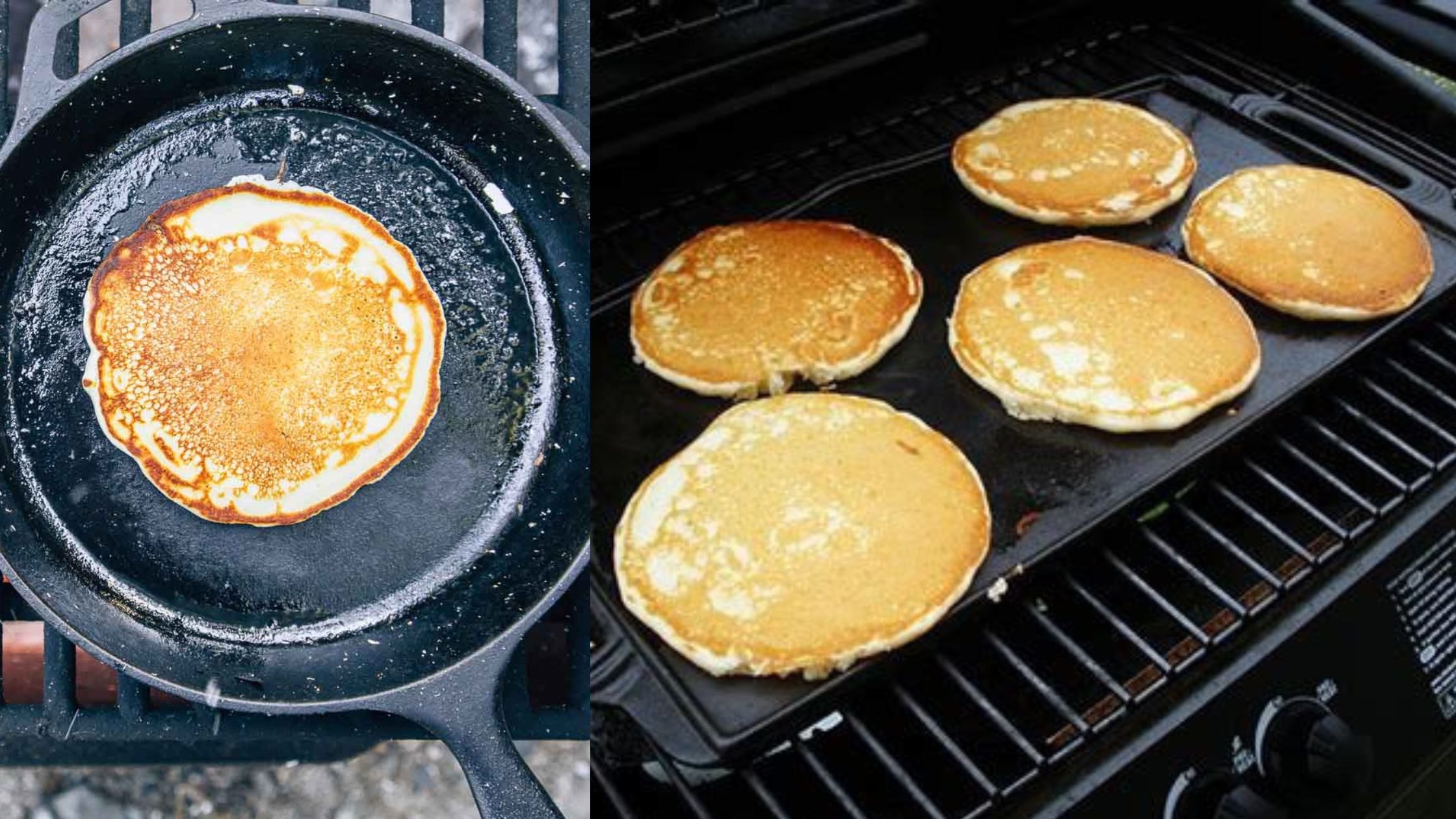
Here’s a surprising fact: the very first pancake you cook is a sacrificial offering to the griddle gods. That first one always comes out weird, right? That’s because the griddle isn’t perfectly seasoned yet, but also because you’re watching a chemical change happen in slow motion. Science demands a burnt offering.
And don’t get me started on the baking soda. If your recipe calls for buttermilk, you’re creating a miniature volcano in your pan. The acid-base reaction is so vigorous it’s basically a party for molecules. It’s not a physical change when the batter doubles in size; it’s a chemical riot.
So, Is It Breakfast or a Lab Experiment?
Yes. You are a breakfast scientist. Every time you pour batter onto a griddle, you are performing a controlled chemical experiment. The heat is your catalyst, the butter is your lubricant, and the maple syrup is your victory prize. Congratulations, you’ve won breakfast.
Now, a little grandma test: if you can’t get the original ingredients back by any physical means (evaporation, freezing, smashing), it’s a chemical change. Can you get the flour back out of a cooked pancake? Nope. Can you get the raw egg back? Absolutely not. That batter is gone forever, replaced by a glorious, edible chemistry set.
 Easy Mini Pancakes Recipe – Light, Fluffy & Bite-Sized!
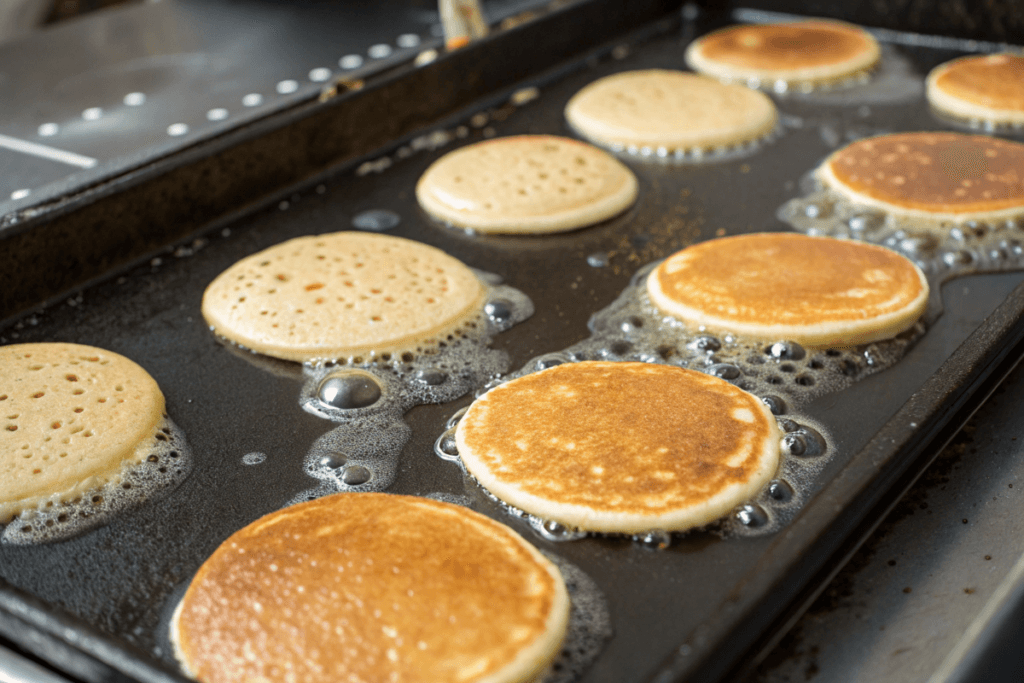
Here’s a wild thought: a pancake is actually a foam that was set by heat. It’s a solid structure filled with gas pockets. If that’s not a magical transformation, I don’t know what is. It’s like turning mud into a brick—but tastier.
The Verdict (and a Dad Joke)
So, to answer the big question: Yes, cooking pancakes on a griddle is absolutely a chemical change. You are not just warming up food; you are creating new molecules, new flavors, and new reasons to get out of bed. The brown spots? Those are “flavor molecules” having a tiny, delicious explosion.
And if you ever need to prove this at a party (please don’t be that person), just say: “If your pancake was a physical change, then a frozen waffle would thaw into syrup.” They’ll stare at you blankly, but you’ll know the truth. You are a culinary chemist in an apron.
Now, go forth and cook. And remember: the second pancake is always the one you show off. The first one is for the science. Burn it with pride.
