Is Oven Cleaner Acidic Or Basic

You’re staring at a rock-hard, blackened crust inside your oven. You grab the spray bottle of oven cleaner, but before you unleash the chemical fury, you pause. Is this stuff...

You’re staring at a rock-hard, blackened crust inside your oven. You grab the spray bottle of oven cleaner, but before you unleash the chemical fury, you pause. Is this stuff acidic or basic? It feels like a high school chemistry pop quiz you didn’t study for. Don’t worry—we’re going to figure this out together, no lab coat required.
The Great Kitchen Chemistry Quiz
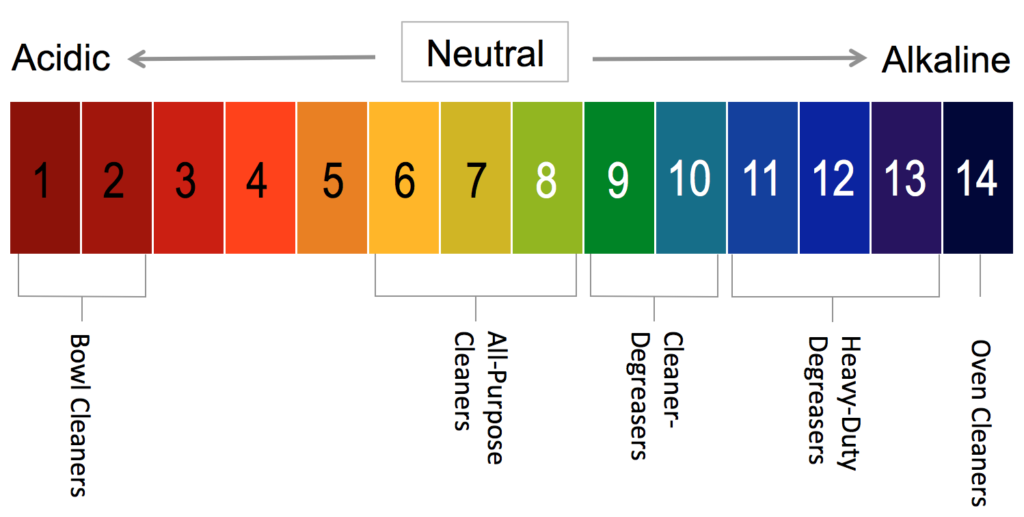
Here’s the quick answer: most oven cleaners are strongly basic, not acidic. Think of them as the Hulk of the cleaning world—brutish, powerful, and not very subtle. They use a chemical called sodium hydroxide (lye) to blast through grease. Acidic cleaners, like lemon juice or vinegar, are the gentle yoga instructors of the cleaning world. They dissolve mineral buildup, not baked-on lasagna disasters.
Why does this matter? Because mixing the wrong chemistry can ruin your oven—or your face. A basic cleaner works by turning grease into soap (yes, literally). That sticky, burnt fat becomes water-soluble, so you can wipe it away. If you used an acid, you’d just be marinating the grime, not destroying it.
Must Read
Real-Life Proof: The Baked Bean Incident
Last month, I had a catastrophic spill of baked beans in my oven. It smelled like a sad campfire for days. I tried scrubbing with hot water and elbow grease—nothing. Then I read the label on my oven cleaner: “Contains lye.” That’s the same stuff used to unclog drains and make soap. Basic chemistry for the win.
I sprayed it on, waited twenty minutes, and the crust literally slid off like a lazy snake shedding its skin. If I’d used an acidic cleaner (like white vinegar), I’d still be scrubbing today. The high pH (10-13) of the cleaner breaks down proteins and fats that acids just can’t touch.
But Wait—Is It Safe?
Here’s where we get real: a strong base can burn your skin and eyes faster than you can say “science experiment.” That’s why oven cleaner spray is thick and clingy—it sticks to vertical surfaces so it doesn’t drip. You must wear gloves and ventilate your kitchen. Do not treat it like Windex. Treat it like a grumpy skunk you have to handle with respect.
 Is Oven Cleaner Acidic Or Basic? The Surprising Truth Home Chefs Need
If you accidentally get it on your hands, rinse with plenty of water and avoid vinegar or lemon juice—that would create a neutralization reaction that heats up and burns worse. Yes, chemistry can literally burn you twice.
What About “Green” Cleaners?
Some natural oven cleaners are mildly basic (like baking soda mixed with water). Baking soda has a pH around 9, which is gentle enough to touch but still good at cutting grease. It won’t eat through a year’s worth of pizza drips, but it’s perfect for monthly maintenance. I use a paste of baking soda and a splash of vinegar—the fizz helps lift gunk. But that fizz is an acid-base reaction, and once it’s done, you’re left with salty water and a slightly cleaner oven.
For the truly stubborn mess, you’ll want the heavy hitter. Just remember: basic = grease destroyer. Acidic = mineral dissolver (great for coffee pots, not ovens).
 Cleaners & Degreasers - Blurred Lines | Simple Science of Degreasers
Why You Should Care (It’s Fun, I Promise)
Knowing this little fact saves you time, money, and a potential trip to the ER. Next time you’re at the store, you’ll glance at a cleaner and think, “You’re a base, aren’t you?” It’s like having a superpower. You can also impress your friends while cleaning up after a dinner party: “Oh, this spray? It’s got a pH of 13. It’s basic—like my cooking puns.”
And if you ever see a recipe for homemade cleaner online that says “mix vinegar and oven cleaner,” run. That creates chlorine gas, which is a really bad day. Stick to the simple rule: acid for scale, base for grease.
The Takeaway (Warm and Fuzzy)
Your oven is a workhorse, but it’s not invincible. When you use a strong basic cleaner, you’re giving it a spa treatment—aggressive, yes, but effective. Just be kind to yourself: gear up, read the label, and don’t sniff the nozzle. In the battle between crust and clean, a little chemistry goes a long way.
Now go fog up your kitchen with spray and feel like a mad scientist. Just a safe mad scientist with rubber gloves. You’ve got this.
