Is Onion Flakes The Same As Minced Onion

There is a quiet magic in a well-stocked spice rack, a promise of flavor that can transform the most ordinary meal into something memorable. For home cooks who cherish conveni...
There is a quiet magic in a well-stocked spice rack, a promise of flavor that can transform the most ordinary meal into something memorable. For home cooks who cherish convenience without sacrificing taste, dried aromatics like onion flakes and minced onion are pantry staples. They offer the savory depth of fresh onions without the tears, the peeling, or the fear of spoilage. Whether you’re a busy parent, a meal-prepper, or a camping enthusiast, these tiny dried pieces deliver consistent, allium-rich flavor in seconds. Yet, a common question arises: are these two products truly the same? Understanding their subtle differences is the key to unlocking their full potential in your everyday cooking.
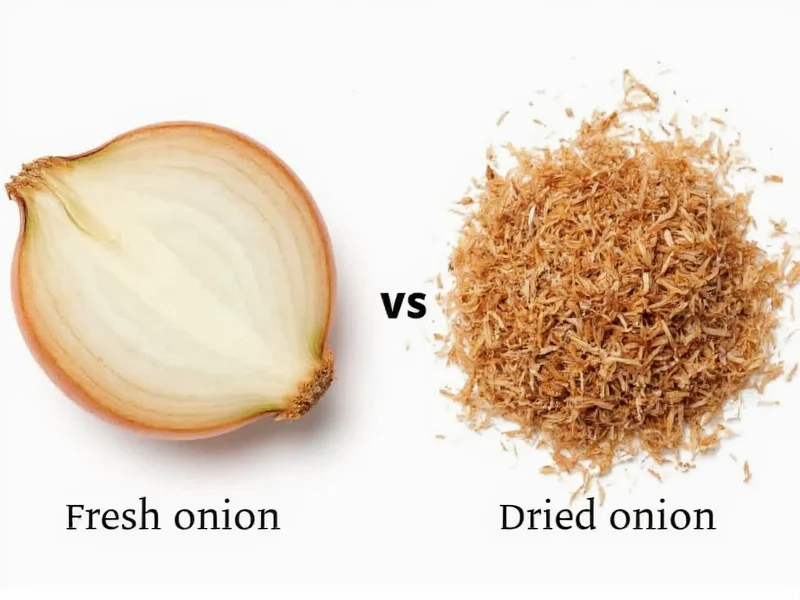
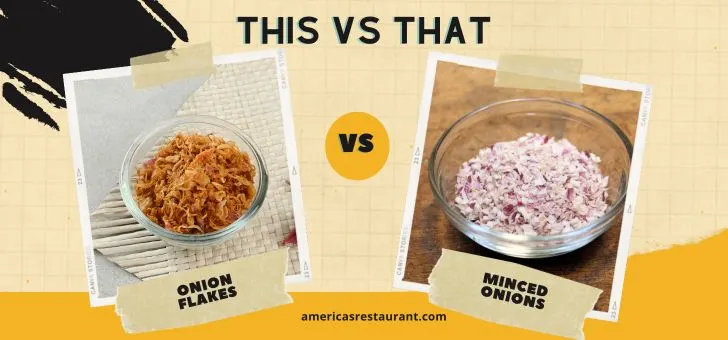
At first glance, onion flakes and minced onion appear nearly identical—both are dehydrated, shelf-stable forms of the humble bulb. However, the primary distinction lies in their texture and cut size. Onion flakes are typically larger, flatter pieces, reminiscent of small, brittle chips. Minced onion, on the other hand, is chopped into much finer, smaller bits. This difference is not merely cosmetic; it dramatically affects how each product behaves when rehydrated and combined with other ingredients. Think of the flakes as a gentle whisper and the minced as a distinct, more evenly dispersed note in your dish.
Their key purpose is to provide a reliable, long-lasting source of onion flavor, but the best choice depends entirely on your recipe’s final texture. For example, if you are making a creamy dip, a chunky salsa, or a hearty stew where you want to see and feel pieces of onion, the larger onion flakes are ideal. They soften during cooking but retain a pleasant, tender bite. Conversely, minced onion is the perfect choice for a smooth gravy, a meatloaf, or a delicate soup where you desire the flavor without a bulky mouthfeel. The fine bits dissolve more readily, becoming almost invisible while still imparting that essential savory base.
Must Read
The benefits of mastering this distinction extend directly into everyday life. Imagine you are preparing a quick weeknight chili: using minced onion ensures it blends seamlessly into the tomato base, offering rich flavor in every spoonful without waiting for large flakes to soften. On a lazy Sunday, if you’re making a pot of beans with ham hocks, the flakes add a rustic charm and a satisfying texture that the finer minced version cannot replicate. For backpackers who value both weight and taste, a small Ziploc of onion flakes can elevate a simple cup of instant soup into a comforting, real meal. In both cases, you defeat the common problem of a raw, harsh onion taste by allowing the dried allium to rehydrate and mellow during cooking.
To explore these ingredients on your own, start with a simple test. Take a small bowl of each—flakes and minced—and cover them with warm water for five minutes. Observe the difference: the flakes will swell into soft, pliable pieces, while the minced will form a finer, almost pasty mixture. This hands-on experiment reveals how each will behave in your cooking. A practical tip: always rehydrate them in a small amount of the recipe’s liquid (broth, wine, or water) for about 10 minutes before adding to dishes that cook quickly, like stir-fries or scrambled eggs. This prevents them from remaining chewy or stealing moisture from your meal.
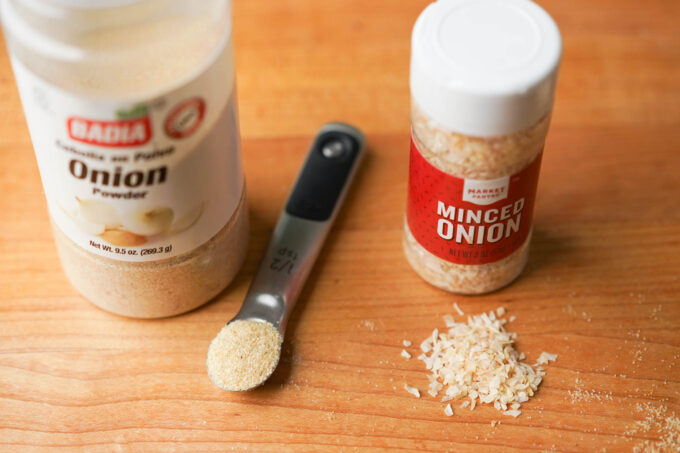 Onion Substitutes: Out of Fresh Chopped Or Dried Onions? - Hungry Huy
Another valuable trick is to use them as a dry rub base. Combine onion flakes with salt, pepper, garlic powder, and smoked paprika to create a quick seasoning for grilled meats or roasted vegetables. The flakes adhere well to chicken or steak, forming a flavorful crust as they char. For minced onion, try blending it into homemade butter or softened cream cheese to spread on bagels or baked potatoes—the fine texture distributes the taste evenly. Remember, toasting either product briefly in a dry skillet over medium heat can enhance their sweetness and add a subtle, nutty complexity, especially before adding them to bread doughs or savory scones.
In conclusion, while onion flakes and minced onion both spring from the same source, they are not interchangeable equals. They are complementary tools that excel in different culinary contexts. The flakes bring bold, visible character to slow-cooked heartiness, while the minced offers subtle, integrated depth to soft, smooth preparations. By recognizing their unique strengths, you empower your cooking to be more precise, more efficient, and more delicious. So next time you reach for that jar, think beyond the label—consider the texture you need, and let that guide your choice. Your taste buds will thank you for it, one perfectly seasoned meal at a time.