Is Olive Oil A Substitute For Vegetable Oil

When it comes to cooking at home, almost everyone reaches for vegetable oil because it is cheap, available everywhere, and works with just about any recipe. But in recent year...
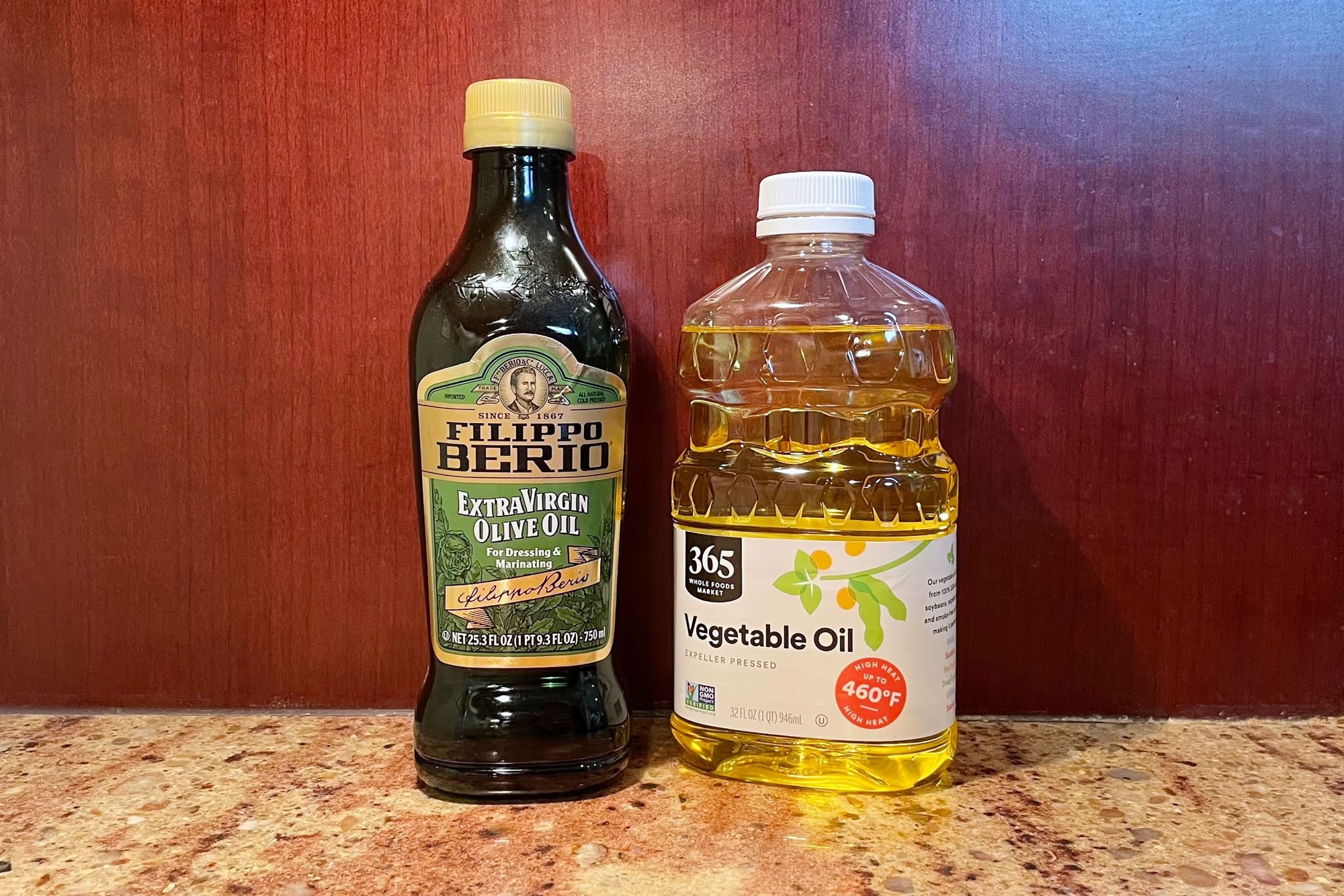
When it comes to cooking at home, almost everyone reaches for vegetable oil because it is cheap, available everywhere, and works with just about any recipe. But in recent years, more and more people have started wondering: can olive oil do the same job? It is one of the most natural oils on the planet, and it carries a reputation for being healthier than most alternatives. Whether you are sautéing vegetables, baking a cake, or preparing a simple salad dressing, the oil you choose makes a real difference in taste, texture, and nutrition. So let us take a closer look at whether olive oil can truly stand in for vegetable oil and why it matters for everyday cooking.
The answer is yes, but with some caveats. Olive oil can replace vegetable oil in most recipes, and many home cooks and professional chefs alike do exactly that. Both are liquid fats, both work well for frying, roasting, and baking, and both contribute moisture to baked goods. If your recipe calls for vegetable oil and you do not have any, swapping in olive oil will not ruin your dish. On the other hand, olive oil comes with its own distinct flavor — slightly fruity, sometimes peppery — which can change the character of what you are making. Light or refined olive oil has a milder taste, making it a closer cousin to vegetable oil, while extra virgin olive oil packs a much bolder punch that shines in dishes where you want that flavor to come through.
Why does this matter for individuals and families? First, olive oil is widely regarded as a healthier cooking fat. It is rich in monounsaturated fats, which are linked to better heart health and reduced cholesterol levels. Second, olive oil gives your cooking a more refined taste without requiring you to buy specialty ingredients. We all want our meals to be a little better for us, and switching out vegetable oil for olive oil is one of the simplest changes you can make. It costs a bit more, but the health benefits and flavor improvements often make it worth the investment. For families with children or elderly members, making this swap is an easy and meaningful step toward better nutrition at the dinner table.
Must Read
Consider a few everyday examples. Imagine you are making a vegetarian stir-fry with bell peppers, broccoli, and garlic. Instead of reaching for vegetable oil, you drizzle in some olive oil and notice that the final dish has a richer aroma and a slightly peppery kick that makes it feel more special. Or think about baking — you have a batch of chocolate brownies in the oven, and substituting olive oil for vegetable oil adds a subtle depth of flavor that people appreciably notice without being able to pinpoint exactly why the brownies taste better. Even something as simple as bread becomes a little more interesting when dipped into olive oil instead of butter or margarine. In Mediterranean households, olive oil has always played this central role, and now cooks around the world are borrowing that tradition for everyday meals.
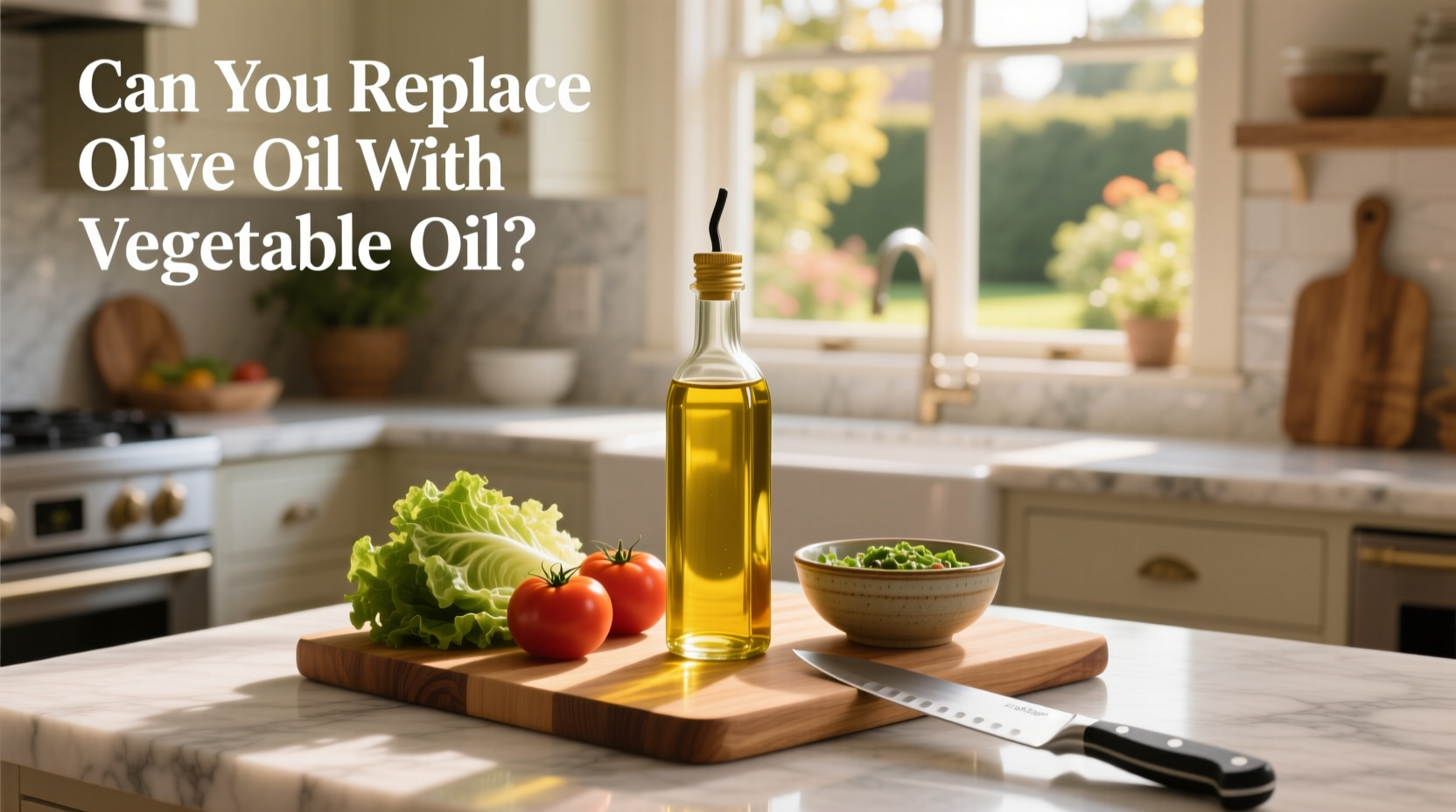 Can Olive Oil Substitute for Vegetable Oil? A Practical Guide
Practical tips to make the switch easy: If you are new to using olive oil in place of vegetable oil, start by buying a bottle of light refined olive oil — it behaves most similarly to standard vegetable oil and has a neutral taste. Use it one-to-one in any recipe, and you will not taste a significant difference in baked goods. When frying or roasting vegetables, feel free to use extra virgin olive oil, as the temperature of a home kitchen rarely exceeds what that oil can handle safely. You can also keep both oils on hand: use light olive oil where neutrality matters and extra virgin olive oil where you want the flavor to be part of the experience. Finally, store your olive oil in a cool, dark place to preserve its freshness and taste over time.
In conclusion, olive oil is not just a substitute for vegetable oil — it is often an upgrade. It offers comparable cooking performance, a distinctive and pleasing flavor, and significant health advantages that vegetable oil simply cannot match. While it may cost a little more per bottle, the benefits you gain in taste, nutrition, and overall satisfaction make it a kitchen companion worth keeping close by. Whether you are an everyday home cook or someone just beginning to explore better eating habits, making the switch to olive oil is a simple, rewarding choice that pays off at every meal.