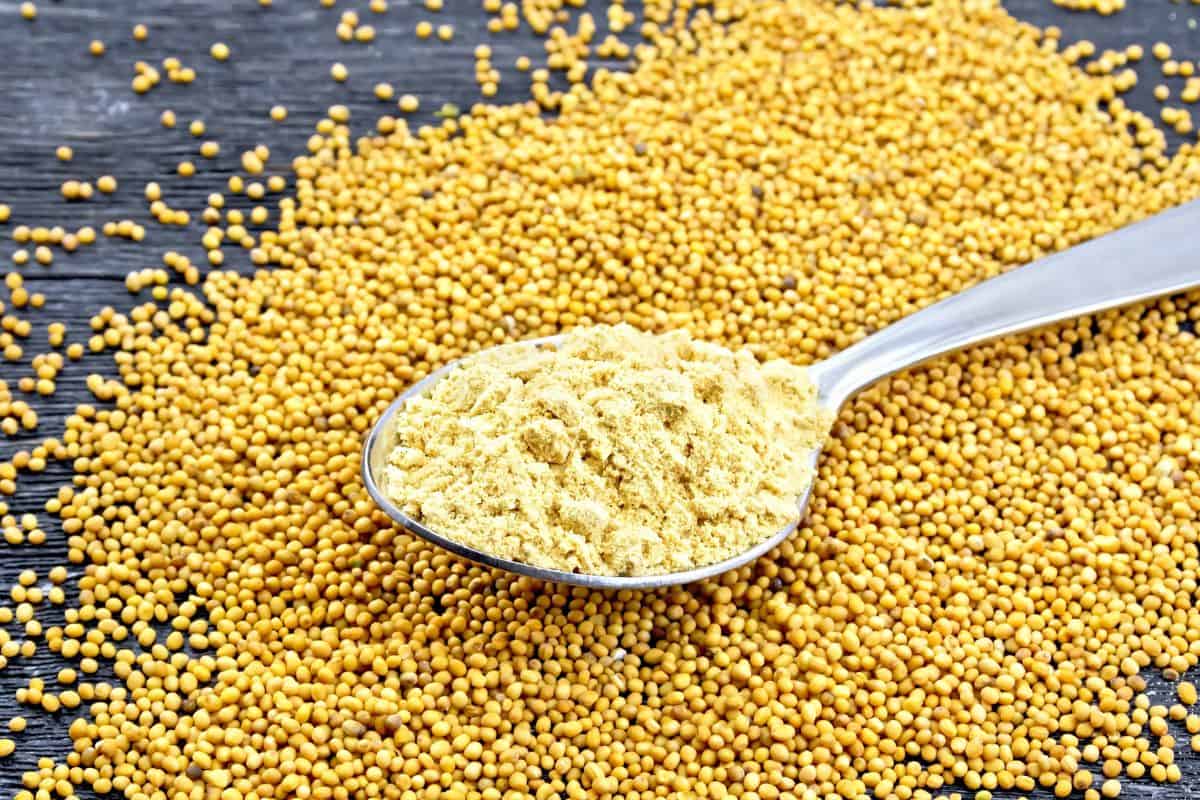
Is Mustard Powder Ground Mustard Seeds

Mustard powder is one of those pantry staples that many of us reach for without giving it much thought. It sits quietly next to turmeric and cumin in the spice rack, but do we...
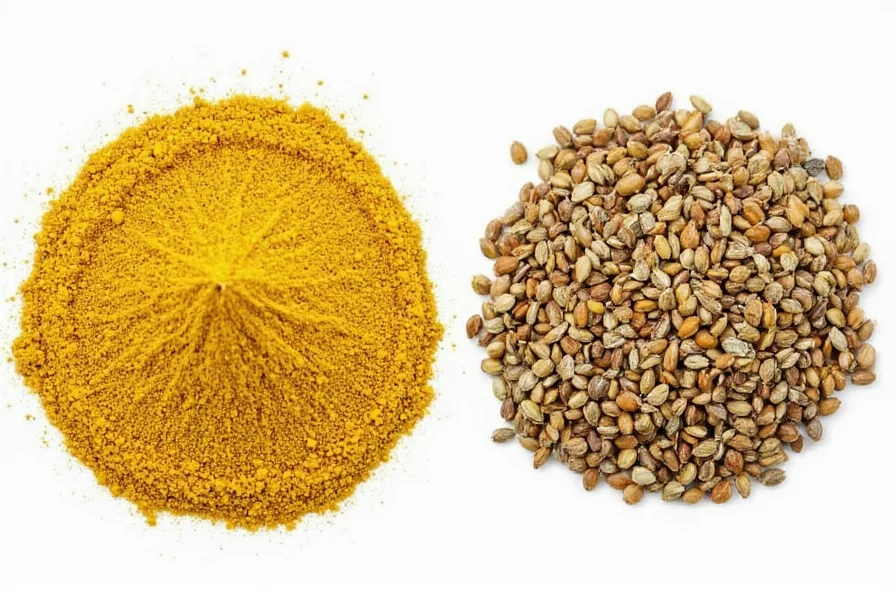
Mustard powder is one of those pantry staples that many of us reach for without giving it much thought. It sits quietly next to turmeric and cumin in the spice rack, but do we ever really question what it is? The short answer might surprise you. People regularly ask, "Is mustard powder simply ground mustard seeds?" and the answer involves a bit more nuance than you might expect.
At its most basic, mustard powder is made from dried mustard seeds that have been ground into a fine texture. The seeds are harvested, dried, and then milled — much like how many other single-ingredient spices are processed. However, what makes this topic interesting is that there are different types of mustard powder available, and not all of them are just plain ground seeds. Some commercial brands blend other ingredients into the powder to adjust the heat, color, or overall flavor profile.
For example, yellow mustard powder often contains the pale yellow mustard seed as its base, but companies like Colman's have historically added flour or cornstarch to prevent the powder from clumping. White mustard flour, on the other hand, tends to be a more straightforward product — just the seeds, ground and sifted. Understanding this distinction matters because it affects how the ingredient behaves in recipes. If you're looking for that sharp, pungent kick, you want to know exactly what you're putting into your dish.
Must Read
In real life, mustard powder shows up in far more places than most people realize. Home cooks use it in marinades for grilled meats, whisk it into salad dressings for a zesty bite, and stir it into creamy sauces that taste like they came from a restaurant kitchen. It's a secret weapon in barbecue rubs and a key player in making homemade pickles. Families in many cultures rely on mustard-derived condiments daily, from French mustard on a sandwich to the tangy yellow spread found on countless hot dogs and burgers at backyard gatherings.
Here's where things get truly fascinating: mustard powder only develops its signature hot, sinus-clearing punch when it's mixed with cold room-temperature water. This is because an enzyme called myrosinase activates at that specific stage, releasing allyl isothiocyanate — the compound responsible for the sharp flavor. If you mix mustard powder with hot water, the enzyme is destroyed, and the powder tastes noticeably milder. This little piece of food science explains why some people find mustard more or less intense depending on how it's prepared.
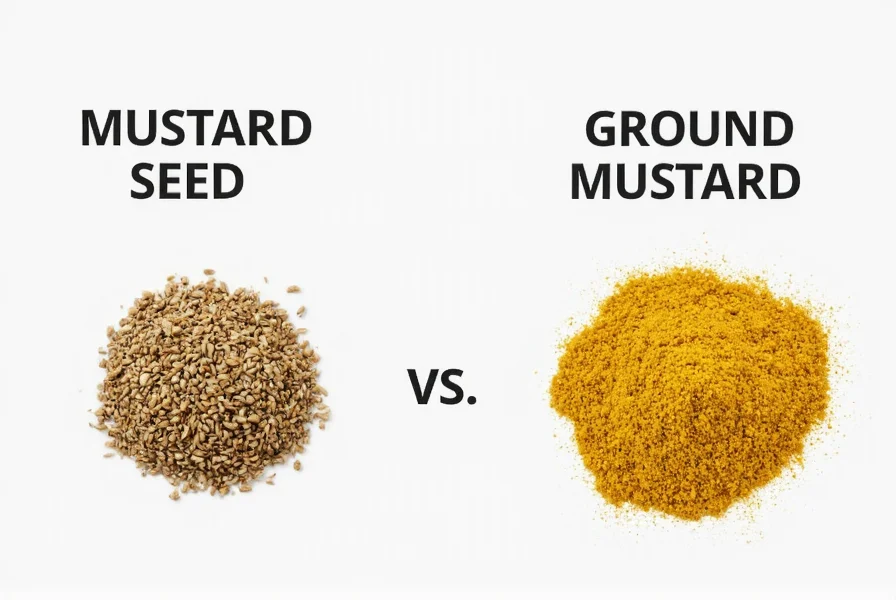 Mustard Seeds vs Ground Mustard: Complete Guide to Differences, Uses
A practical tip for anyone experimenting in the kitchen: always mix mustard powder with a small amount of cold liquid first, let it sit for a few minutes, and then incorporate it into your sauce or dressing. This gives the flavor time to develop fully. For a quick sandwich spread, combine two tablespoons of mustard powder with water to form a paste, add a pinch of salt, a little vinegar, and you've got a punchy spread in under five minutes. Batch preparation works great too — make a week's worth and store it in the fridge.
Another common misuse people make is treating mustard powder and prepared mustard as interchangeable. While they share the same root, prepared mustard comes with added liquids, vinegar, salt, and often turmeric for color. The heating process applied to prepared mustard also mellows the flavor significantly. So when a recipe calls for mustard powder, using a spoonful of yellow prepared mustard will not always give you the same result, especially in dry rubs or spice blends where moisture changes the texture entirely.
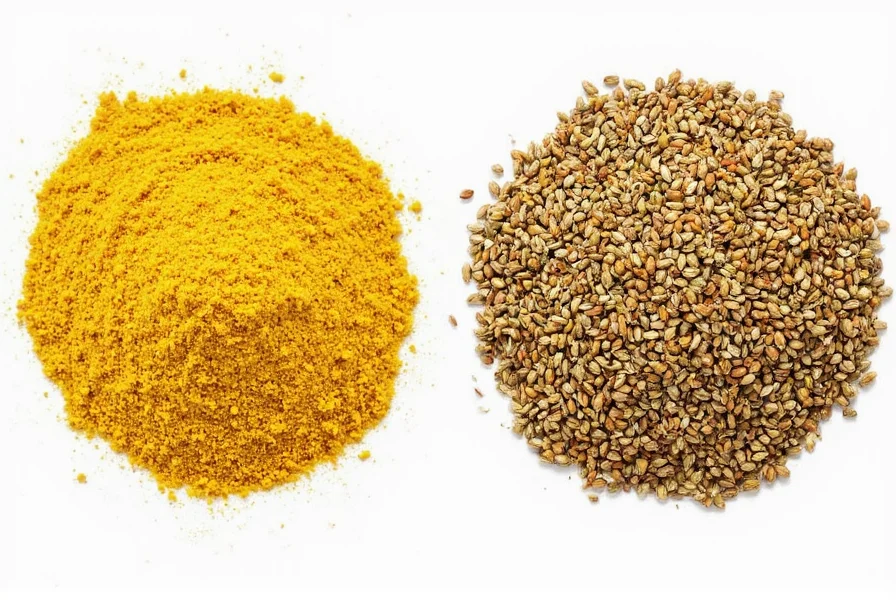 Ground Mustard vs Mustard Seed: When to Use & Avoid Cooking Mistakes
For communities and cultures around the world, mustard remains deeply meaningful. In South Asian cooking, ground mustard seeds are toasted in hot oil to create a tempering that flavors entire dishes. In European traditions, Dijon mustard is a point of regional pride. The powder form bridges all these worlds — it's affordable, shelf-stable, and incredibly versatile. You don't need to be a professional chef to appreciate how a tiny sprinkle can transform a simple dish into something memorable.
So, is mustard powder ground mustard seeds? The answer is a confident yes in principle — with the caveat that commercial products sometimes include minor additions for texture or convenience. But regardless of slight variations, the heart of mustard powder remains rooted in those humble, powerful seeds. It's worth understanding what you're buying so you can use it to its full potential. Next time you reach for that small tin or jar, you'll know exactly what's inside and why it works the way it does in your cooking. A small ingredient, but a surprisingly big deal.