Is Medium Or Mild Salsa Spicier

There is a simple, almost primal pleasure in the perfect bowl of salsa. Whether it is scooped up with a warm, salty tortilla chip, spooned over a fluffy taco, or stirred into...
There is a simple, almost primal pleasure in the perfect bowl of salsa. Whether it is scooped up with a warm, salty tortilla chip, spooned over a fluffy taco, or stirred into eggs for a morning kick, salsa is a celebration of fresh flavor. Its key purpose is not just to add moisture, but to introduce a vibrant, layered complexity to food. This everyday condiment transforms a plain meal into an experience, offering a burst of acidity, sweetness, and heat. For many, the choice between medium and mild is a daily ritual—a small decision that dictates the entire mood of a dish, from a gentle, family-friendly dinner to a bolder, more adventurous bite.
The direct answer to the central question—which is spicier?—is straightforward yet often misunderstood: medium salsa is definitively spicier than mild salsa. This difference is not subtle marketing; it is a deliberate culinary distinction. Mild salsa is engineered to provide flavor with virtually zero burn, making it accessible to everyone, especially children or those with low capsaicin tolerance. Medium salsa, by contrast, introduces a noticeable, identifiable heat. It is the bridge between safe and exciting. For example, at a casual gathering, you might offer mild for guests who say “I can’t handle any heat,” while the medium bowl becomes the go-to for those who like to feel a pleasant, brief warmth on their palate after each chip.
To understand this distinction clearly, it helps to consider the role of the chile pepper. In mild salsa, the peppers used are typically bell peppers, or very mild varieties like Anaheims, often in small quantities. The result is a sauce that is primarily about tomatoes, onions, and cilantro. In medium salsa, producers introduce jalapeños or serranos, and they keep more of the seeds and membranes, where the compound capsaicin is concentrated. This is why a single spoonful of medium salsa can make your nose run slightly, while mild leaves you feeling nothing. The benefit of knowing this is power: you can choose your salsa with intention, matching the heat level perfectly to your meal’s context—a mild salsa for a delicate fish taco, a medium one for a hearty beef burrito that needs a counterpoint.
Must Read
However, a crucial nuance exists: perception of heat is highly subjective. For someone who routinely eats habanero-packed sauces, medium salsa may feel disappointingly mild. Conversely, a person who rarely eats spicy food might find a brand’s “medium” to be surprisingly intense. This inconsistency is rooted in individual tolerance and the specific recipe. One brand’s medium might use roasted, mild jalapeños, while another’s uses raw, fiery serranos. This is why reading the ingredient list is a practical skill. Look for the type of pepper listed first—if jalapeño appears before tomatoes, expect more heat. Also, note if the label says “fire-roasted”—this often mellows the heat slightly, making a medium more approachable.
To explore this world for yourself, begin with a simple “salsa flight.” Buy one mild and one medium salsa from the same brand to eliminate recipe variables. Taste them side-by-side on plain crackers or chips. Notice how the mild hits your tongue with sweetness and acidity, while the medium introduces a warmth that builds at the back of your throat. For a more controlled experiment, try making a small batch at home. Start with two identical tomato bases, then add a single minced jalapeño to one batch (calling it your “mild”) and two to the other (“medium”). This hands-on approach reveals that a single pepper makes all the difference. You will also discover that adding a pinch of sugar can tame perceived heat, while a dash of lime juice can amplify it.
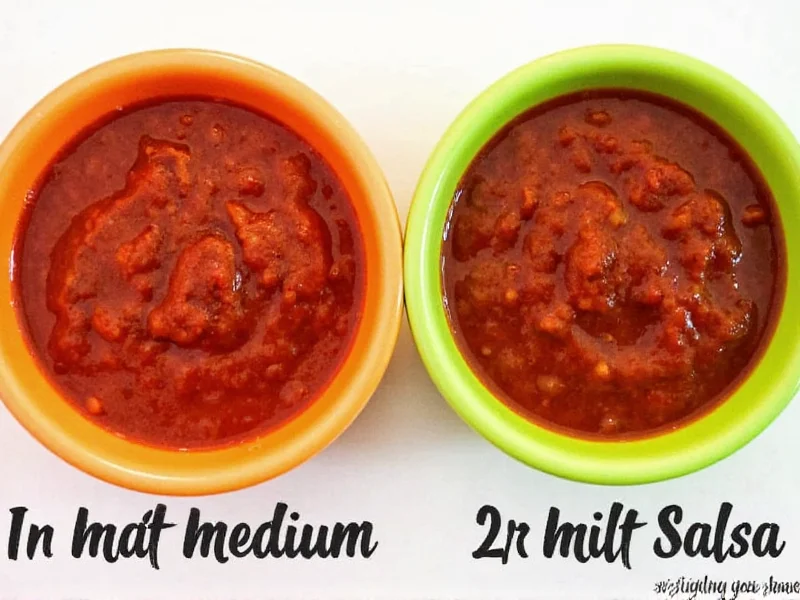 Medium Salsa Is Spicier Than Mild: Heat Level Explained
Beyond raw heat, consider the flavor profile that each level unlocks. Mild salsa excels as a versatile base—it shines in sauces, dips, and casseroles where you want the natural freshness of ripe tomatoes without an assertive kick. It is ideal for children’s quesadillas or for marinating chicken overnight. Medium salsa, on the other hand, is a confident companion for bold foods. It cuts through the richness of melted cheese on nachos, complements the smokiness of grilled meats, and can even be stirred into soups for a quick, zesty depth. The benefit of mastering this distinction is that you can exactly tailor the heat of your meal without overpowering its core flavors.
Ultimately, the choice between mild and medium salsa is about personal freedom and culinary curiosity. The spicier option is medium, but that truth is only the beginning of your journey. Experiment with different brands, notice how acidity and sweetness change the heat perception, and do not be afraid to mix a mild and medium together to create your perfect custom blend. The real value lies not in declaring one superior, but in understanding that each level has its own job. A mild salsa welcomes everyone to the table; a medium salsa invites you to lean in and pay attention. Use them both, and let your taste buds guide the way.

