Is Making Burgers At Home Healthier

Let’s be honest: a burger is basically a hug you can hold in your hands. It’s the unofficial mascot of summer, of backyard parties, and of that late-night craving that just wo...

Let’s be honest: a burger is basically a hug you can hold in your hands. It’s the unofficial mascot of summer, of backyard parties, and of that late-night craving that just won’t quit. But every time you consider making one, a little voice whispers, “Is this really a good idea for my health?” The short, delightful answer is: yes, especially if you’re the one behind the spatula.
When you make burgers at home, you become the boss of the beef. You get to decide exactly what goes into that patty. No more mystery meats or fillers designed to extend shelf life. You choose the lean ground beef, or maybe even try ground turkey or black beans. It’s your kitchen, your rules, and your victory over processed junk.
Think about the bun situation for a second. That fluffy, grocery-store bun is often a sugar-loaded sponge. At home, you can grab a whole-wheat bun, a crisp lettuce wrap, or even a toasted portobello mushroom cap. Suddenly, your burger goes from a simple carb bomb to a textural adventure. You’re not sacrificing taste; you’re upgrading the entire experience.
Must Read
And let’s talk about the fat factor. Restaurant burgers are often cooked in a pool of oil or butter to get that “mouthfeel.” At home, you can grill that patty, pan-sear it with a tiny spray of oil, or even air-fry it. You control the grease, which means you control the calories. You get to decide how much of that delicious sizzle stays on your plate.
Here’s the secret sauce you won’t find on any menu: vegetables. At home, you can pile on the produce with reckless abandon. Sliced avocado, crunchy pickled onions, roasted bell peppers, or a fistful of arugula don’t just add flavor—they add fiber and vitamins. It’s like a salad that’s actually fun to eat, held together by a protein patty.
Portion control becomes a fun little game, not a punishment. Ever notice how restaurant burgers are the size of a dinner plate? At home, you can make a perfectly sized 4-ounce patty. You can even go “slider crazy” and make a few mini-burgers. It feels indulgent, but you’re actually eating less than you would at a diner. Your waistline high-fives your taste buds.
What about the sodium bomb? Pre-made patties and fast-food burgers are legendary for their salt content. When you season your own meat, you use a pinch of sea salt, some smoked paprika, and maybe a dash of garlic powder. You are the sodium sorcerer, and you can keep it low. Your blood pressure will be quietly grateful.
Let’s not forget the joy of the build. Making burgers at home is a mini cooking show for one. You get to smash the patty on the skillet and hear that satisfying hiss. You get to toast the bun just right. You get to arrange the cheese slice so it melts perfectly over the edges. It’s therapeutic, not a chore.
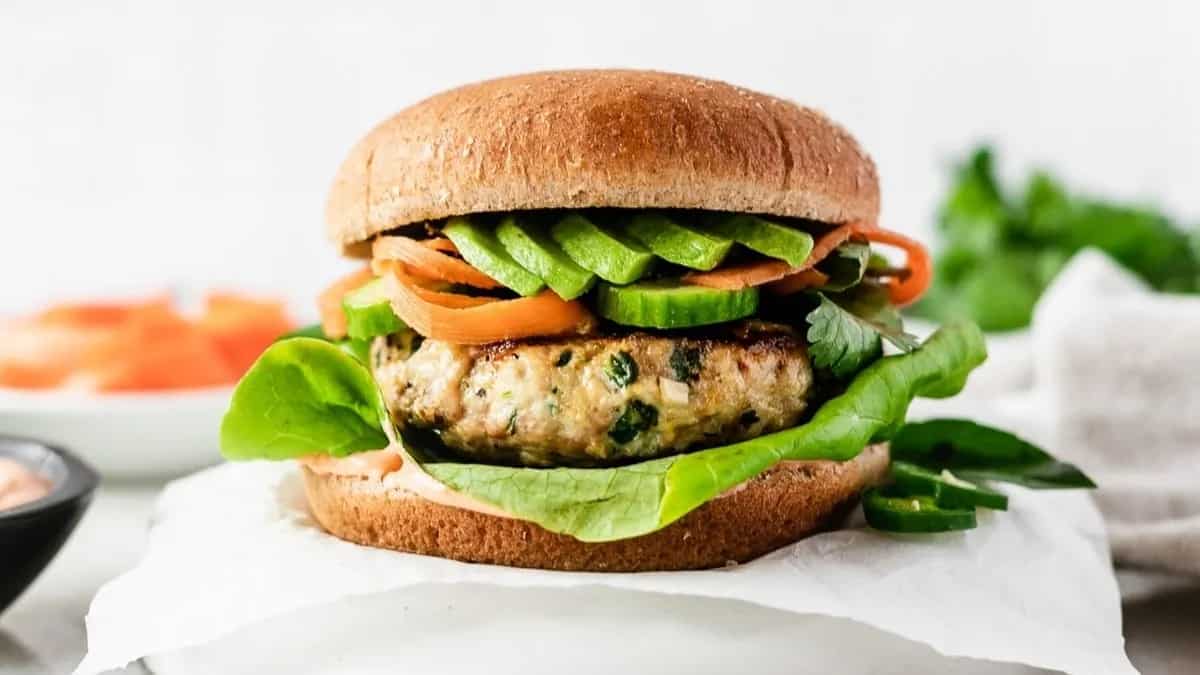 How To Make Healthier Burgers; Ingredients, Techniques Explained
It also turns dinner into a party. Invite a friend over and make a burger bar. Set out bowls of toppings: crispy bacon, roasted jalapeños, fancy mustards, blue cheese crumbles. Everyone builds their own masterpiece. It’s interactive, it’s hilarious, and it’s social in a way that ordering delivery never can be.
Are you worried about the cost? Here’s a little truth bomb: homemade burgers are usually cheaper. A pound of good ground beef plus a pack of buns and veggies costs less than two takeout meals. You can make four burgers for what you’d pay for two. That’s called “thrifty deliciousness,” and it feels awesome.
Now, let’s address the elephant in the room: cheese. You can still have cheese. The cheap, processed slice? You can swap it for a small piece of sharp cheddar or a crumbling of feta. A little real cheese goes a long way. Moderation is your friend, not your enemy. You don’t have to be a monk to enjoy a good burger.
What about the bun? You can even skip it entirely and go for a “protein style” burger wrapped in iceberg lettuce. Suddenly, you’re eating a low-carb, high-veggie meal that feels like a cheat day. The crunch of the lettuce is surprisingly satisfying. Innovation happens when you play with your food.
Let’s be real: the health benefit also comes from what you don’t do. At home, you’re not being tempted by a huge basket of fries or a sugary soda. You can pair your burger with a simple side salad or some roasted sweet potato wedges. You’re in control of the entire plate, not just the patty.
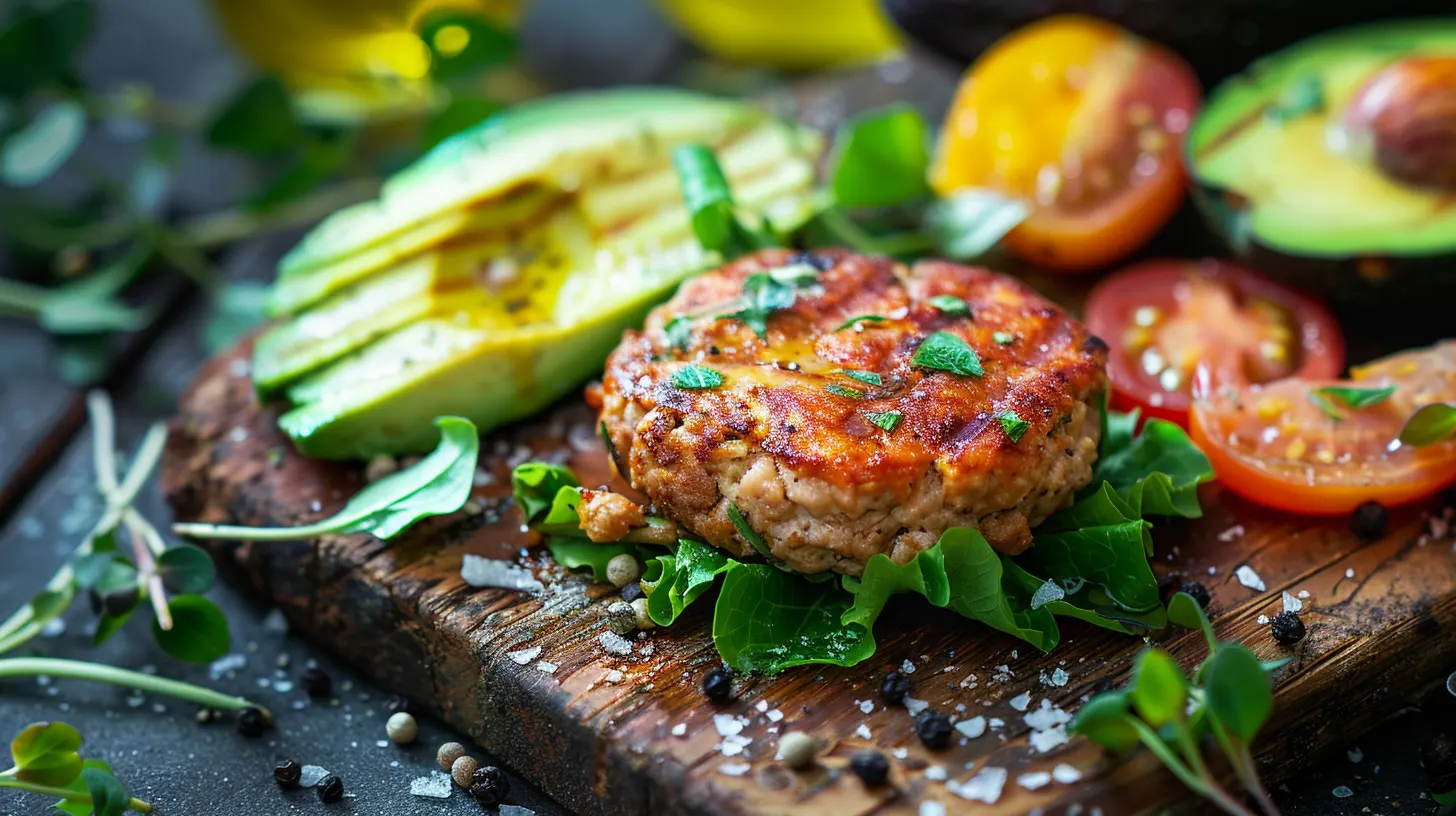 Balancing Taste and Nutrition With Healthier Burger Ingredients
Making burgers at home also slows you down. You take time to prepare, to cook, to sit and eat. That mindful pause helps you digest better and feel fuller. It’s a mindfulness practice you can sink your teeth into—literally. You’re nourishing yourself, not just refueling.
And here’s the best part: you can mess up and still win. Burned a patty? Scrape it off and call it “char-grilled.” Over-seasoned? Add a dollop of plain yogurt or avocado. There’s no food critic grading you. Perfection is overrated; delicious imperfection is where the fun lives.
So, is making burgers at home healthier? Absolutely. But it’s also more fun, more creative, and more satisfying. You become the chef, the nutritionist, and the grateful eater all at once. The burger becomes a canvas for your best intentions—and your craving for a really good time.
Here’s the inspiring, uplifting truth: you already have the power to make a meal that’s good for you and makes you happy. The next time that craving hits, don’t reach for your keys. Reach for a pan. You’ve got this. Go smash a patty and smile, knowing you just made a choice that’s healthier, tastier, and all yours.
Now go forth and build your masterpiece. The tongs are waiting, and your kitchen is a playground. What will your next burger creation be?
