Is Kosher Salt The Same As Sea Salt

So, you’re standing in the spice aisle, staring down two boxes of salt. One says “Kosher Salt,” the other “Sea Salt.” They look similar, maybe even interchangeable. But are th...
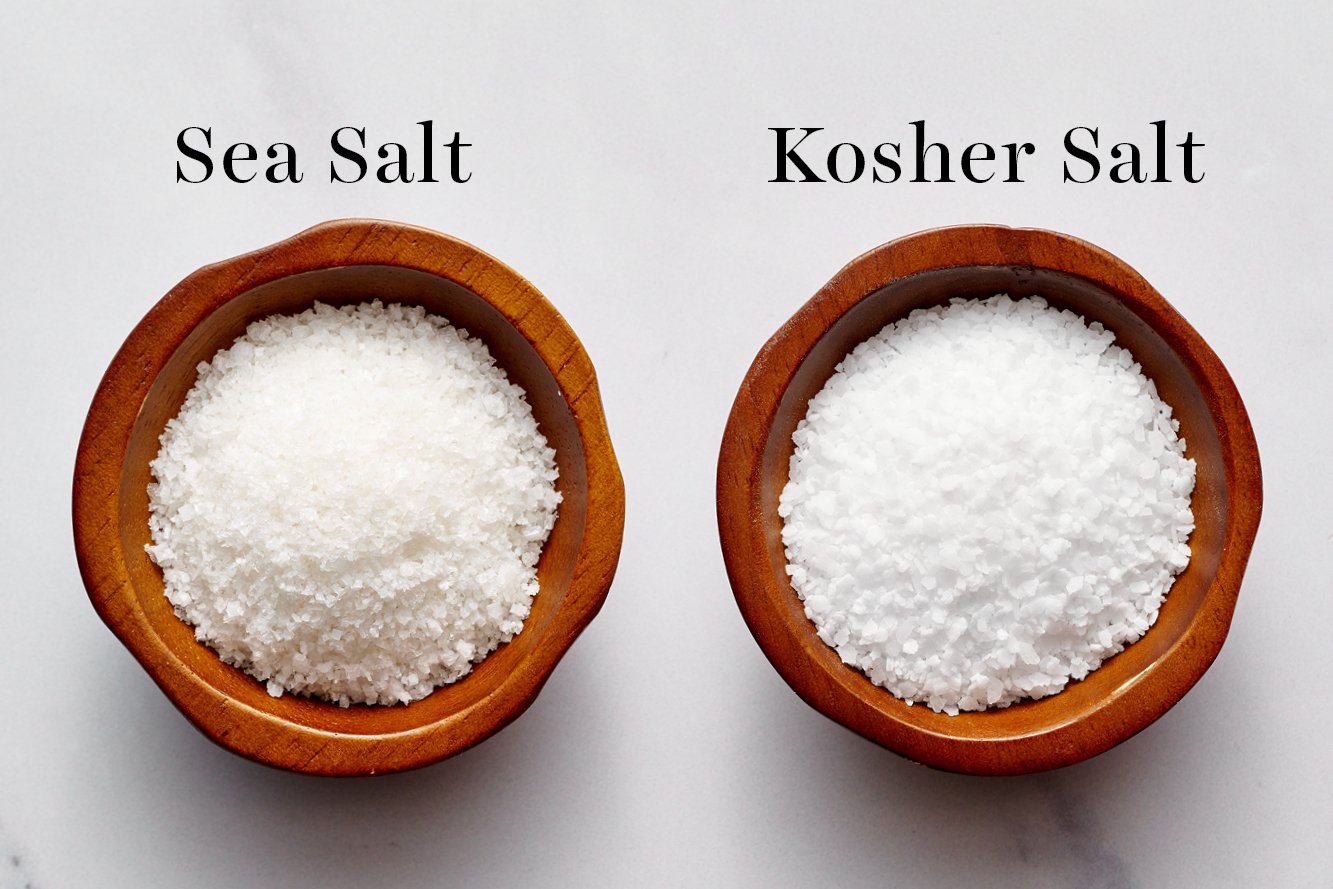
So, you’re standing in the spice aisle, staring down two boxes of salt. One says “Kosher Salt,” the other “Sea Salt.” They look similar, maybe even interchangeable. But are they the same? Grab a chair, because this is the culinary equivalent of asking if a golden retriever and a wolf are the same dog. Spoiler: no, but the story is way weirder than you think.
Let’s start with sea salt. This stuff is basically dinosaur-approved — it comes from evaporated seawater. It’s been around since the first fish decided to walk on land and complain about the rent. Sea salt can be chunky, flaky, or fine, and it often carries trace minerals that make it taste like a fancy, salty hug from the ocean. It’s nature’s original glitter: pretty, a little unpredictable, and you’ll find it everywhere.
Now, kosher salt. The name is a total red herring. It’s not actually “kosher” in the way you think, as in blessed by a rabbi with a magic wand. The name comes from the Jewish kashering process, where this salt’s big, jagged flakes were used to draw blood out of meat. It’s the salt that works a second job as a butcher’s assistant. And unlike sea salt, it’s almost always mined from underground salt deposits, not the ocean. So, land salt pretending to be edgy.
Must Read
Here’s where things get science-y but stay fun. The biggest difference is shape. Kosher salt crystals are large, flat, and craggy — like tiny, salty potato chips. Sea salt crystals are more chaotic: pyramids, cubes, and random shards. This isn’t just for looks; it affects how they melt, stick, and measure. If you swap them in a recipe, you might accidently turn your cookies into a sodium bomb or a bland brick.
Let’s talk about the pinch test. Grab a pinch of each with your fingers. The kosher salt will stick to your thumb like a loyal, clingy friend. The sea salt will often fall off like it’s got places to be. That stickiness is why chefs love kosher salt — it’s easier to sprinkle and you can actually see how much you’re using. Sea salt is more like confetti: fun, but half of it ends up on the floor.
Surprising fact: not all sea salt is natural. Some cheap sea salt is just purified table salt with the “sea” label slapped on for a premium. You’re basically paying extra for a story. Meanwhile, kosher salt is incredibly pure — usually just salt and an anti-caking agent, if any. It’s the honest, blue-collar salt of the spice world. It doesn’t pretend to be from a remote French beach; it just says, “I’m here to brine your chicken, and I’m great at it.”
But here’s the kicker: you can’t trust the label “kosher salt” either. Different brands have different flake sizes. Diamond Crystal is light and airy, like salt snowflakes. Morton’s is denser and heavier, like salt gravel. Swap them without adjusting, and your dish might taste like you’re licking a sidewalk after a snowstorm. It’s chaos. Salt anarchy. And sea salt? That’s even worse — Himalayan, fleur de sel, Maldon — they’re all sea salts with dramatic backstories.
 Is Kosher Salt & Sea Salt The Same | Detroit Chinatown
So, can you use them interchangeably? Yes, if you hate your taste buds. No, if you enjoy food. The rule of thumb: kosher salt is for cooking and seasoning. It dissolves evenly, clings to meat, and gives you control. Sea salt is for finishing — sprinkle it on a brownie or a steak right before serving, so you get a crunch and a mineral pop. Think of kosher salt as the reliable sedan and sea salt as the convertible sports car. One gets you there, the other makes you look cool doing it.
Also, let me ruin another myth: kosher salt is not “iodized.” Table salt has iodine added to prevent goiters. Kosher salt doesn’t. So if you’re using only kosher salt, you might want to eat some seaweed or take a multivitamin. Otherwise, you’ll be the person at a party explaining your thyroid issues to strangers. Sea salt also lacks iodine, so same problem. You’re both equally deficient, but at least you’ll taste good.
And for the love of all that is salty, never, ever use them in a baking recipe designed for table salt. Table salt is twice as dense by volume. If you swap one cup of table salt for one cup of kosher salt, you’ll get half the sodium. Your bread will rise like a sad, deflated balloon. Your cookies will taste like disappointment. It’s the kind of mistake that makes you question your entire life choices.
So, the final verdict: Kosher salt and sea salt are not the same. They’re cousins who argue at Thanksgiving. One is a handy, all-purpose worker, the other is a trendy, artisanal show-off. But you know what? They’re both salt. And salt makes everything better — just use the right one for the job, and nobody will know you spent ten minutes staring at boxes in the aisle. Go forth and season like a hero.
