Is Kielbasa The Same As Smoked Sausage

There’s something deeply satisfying about the smoky, savory aroma of grilled sausages wafting through a backyard or the comfort of slicing a warm, spiced link into a pot of si...
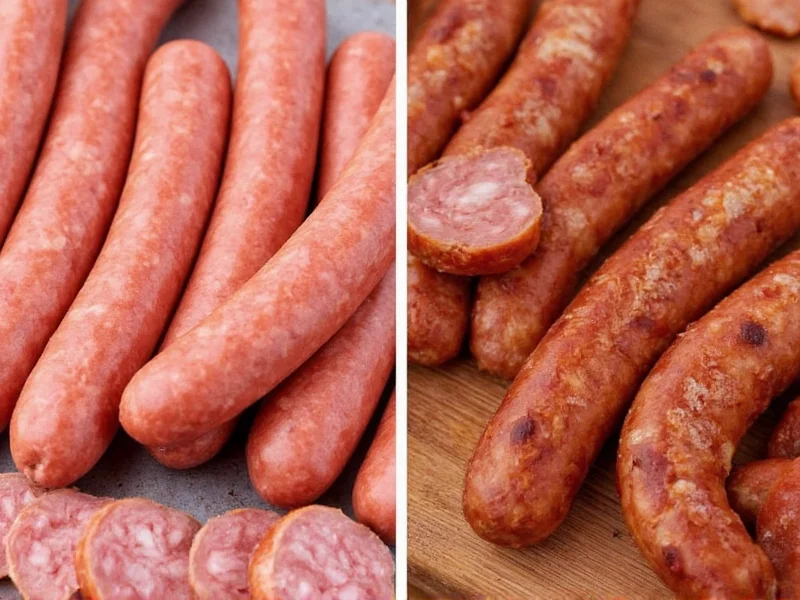
There’s something deeply satisfying about the smoky, savory aroma of grilled sausages wafting through a backyard or the comfort of slicing a warm, spiced link into a pot of simmering soup. For many, sausages like kielbasa and smoked sausage are staples of quick, flavorful meals, bridging the gap between weeknight convenience and the feeling of a hearty tradition. They offer a rich protein boost without demanding hours of preparation, making them a favorite for busy families, campers, and anyone craving a taste of rustic comfort. The key question, however, often lingers at the butcher counter or grocery aisle: are these two sausages really the same? Understanding the difference can elevate your cooking and help you choose the right link for every meal, from a simple pan-fry to a complex stew.
At first glance, kielbasa and smoked sausage appear nearly identical—both are usually pre-cooked, curved, and encased in a natural or synthetic skin. However, the distinction lies in their origin and definition. Kielbasa is a specific Polish sausage, with the word literally meaning "sausage" in Polish. Traditional Polish kielbasa is a coarse-ground pork sausage, seasoned with distinct ingredients like garlic, marjoram, and sometimes allspice or cloves, then smoked and cooked. In contrast, "smoked sausage" is a broad category that encompasses many varieties—including kielbasa, but also andouille, bratwurst that has been smoked, or even generic supermarket links. So, while all kielbasa sold in the U.S. is a type of smoked sausage, not all smoked sausage is kielbasa. Imagine the difference between "cheddar cheese" and "yellow cheese"—one is a specific, heritage product, while the other is a general description.
The practical implications for your kitchen are immediate and valuable. Choosing kielbasa means you are opting for a specific flavor profile rooted in Polish culinary tradition. Its garlic-forward, slightly sweet, and smoky taste makes it a natural fit for dishes like bigos (hunter’s stew) or simply pan-fried with onions and sauerkraut. On the other hand, a generic smoked sausage might be milder, often including beef or turkey, and can be more versatile for recipes like jambalaya, gumbo, or a quick skillet with peppers and rice. For example, if you’re making a classic Polish zupa ogórkowa (sour cucumber soup), authentic kielbasa will provide the necessary traditional tang; swapping it with a regular smoked sausage could change the soup’s character entirely, though it would still taste good.
Must Read
One of the greatest benefits of understanding this difference is avoiding disappointment when a recipe calls for a specific type. Imagine hosting a themed dinner featuring kielbasa and pierogies. If you buy a standard, finely ground smoked sausage labeled simply "smoked sausage," you might miss the coarse texture and garlic kick that makes the pairing shine. Conversely, if a recipe calls for "smoked sausage" in a quick weeknight pasta, kielbasa can work beautifully—just be aware its stronger spices might dominate other flavors. A smart tip: read the label carefully. If it says "Polish sausage" or "kielbasa," you’re getting the traditional version. If it just says "smoked sausage," it’s likely a more generic blend.
To explore this on your own, try a simple taste test. Buy one link of authentic Polish kielbasa (often found in the deli section) and one link of a standard smoked sausage (like Hillshire Farm or a store brand). Slice both into half-inch rounds and pan-fry them in a little butter until browned. Taste them plain: notice how the kielbasa has distinct flecks of garlic and a coarser grind, while the smoked sausage is smoother and more uniform. Then, use each in a contrasting dish. Add the kielbasa to a bowl of thick bean soup; add the smoked sausage to a box of macaroni and cheese. You’ll instantly see how each brings a different personality to the same base ingredients, helping you choose wisely for future meals.
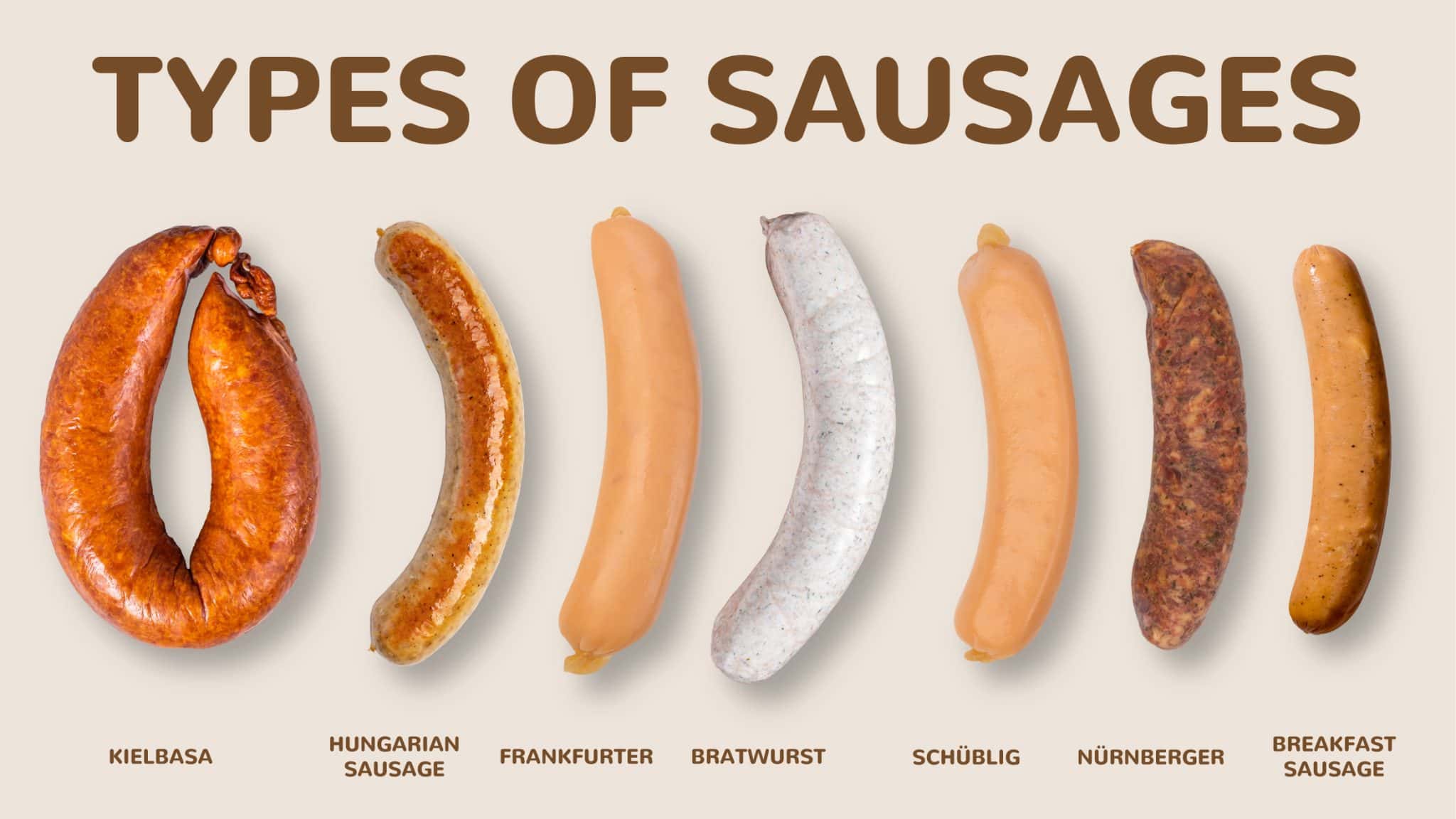 Kielbasa vs. Smoked Sausage: Similarities and Differences Explained
For everyday life, this knowledge turns a quick decision into a small victory. You can confidently grab kielbasa when you want a shortcut to Eastern European comfort food—like slicing it into a quick cabbage and potato skillet—or choose a milder smoked sausage for a kid-friendly dinner that won’t feel too spicy. The practical benefit is time saved and wasted food avoided: no more guessing whether a particular sausage will work in a recipe. And because both are usually fully cooked, you can have dinner ready in under 15 minutes, making them a lifeline on busy nights. A simple tip for storage: keep a pack of each in your freezer. Kielbasa for nights you crave robust flavor, smoked sausage for when you need a neutral, versatile protein that pairs with any vegetable or grain.
In conclusion, kielbasa and smoked sausage are not the same, but they are close cousins on the sausage family tree. Kielbasa is a specific, heritage Polish smoked sausage with a signature garlic-marjoram profile and coarse texture. Smoked sausage is the broad umbrella term that includes it, along with many other regional and commercial varieties. Understanding this distinction enriches your cooking by allowing you to honor tradition or embrace flexibility as the mood strikes. Next time you fire up the grill or open your fridge for a quick meal, let your choice reflect the dish you’re building—and enjoy the savory, smoky link that ties your kitchen to a world of flavor.
