Is Jasmine Rice Short Or Long Grain

There is a quiet magic in a perfectly steamed bowl of jasmine rice. Its fragrant, floral aroma fills the kitchen, promising comfort and satisfaction long before the first bite...

There is a quiet magic in a perfectly steamed bowl of jasmine rice. Its fragrant, floral aroma fills the kitchen, promising comfort and satisfaction long before the first bite. For millions, this rice is not just a side dish but a cornerstone of daily meals, from a simple weeknight dinner to a festive celebration. Its fluffy, slightly sticky texture makes it an ideal companion for curries, stir-fries, and grilled meats, effortlessly soaking up sauces and adding a delicate, nutty flavor. Whether you are a seasoned home cook or just beginning to explore Asian cuisines, understanding the grain of jasmine rice is the first step to mastering its use. The short answer is that jasmine rice is a long-grain variety, but the details matter for how it performs in your kitchen.
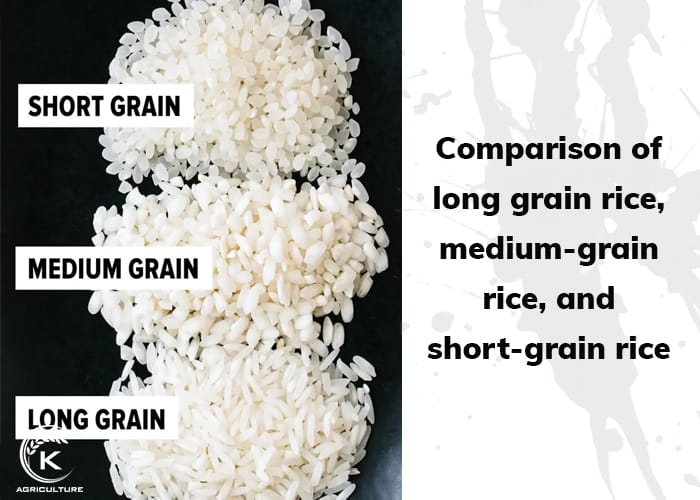
The primary reason jasmine rice is so beloved lies in its unique texture. Unlike short-grain rice, which is plump, sticky, and clumps together (think sushi rice), or medium-grain rice (like Arborio for risotto), long-grain jasmine rice has a slender, four-to-five-times-longer-than-wide shape. When cooked, it remains distinct and separate, yet it has a remarkably soft, tender bite. This balance is its key purpose: it provides structure without being hard, and cohesion without being gluey. For everyday life, this means your Thai green curry won’t turn into a mushy porridge, and your jasmine rice pilaf will present neat, elegant grains that are easy to scoop and eat.
Think of a scenario: you are hosting a dinner and serving a rich, coconut-based red curry. You want the rice to act as a neutral, fluffy backdrop that contrasts with the sauce’s richness. Long-grain jasmine rice excels here. Its individual grains stay firm enough to hold their shape, yet they willingly accept the curry, creating a perfect bite every time. In contrast, a short-grain rice would clump into heavy, sticky balls, overwhelming the sauce. Another example: a simple jasmine rice pudding. Even in a creamy dessert, the long grains maintain a subtle bite and don’t dissolve into paste. This versatility—from savory to sweet—makes it a pantry hero for busy families and culinary enthusiasts alike.
Must Read
The benefits extend beyond texture. Jasmine rice is naturally low in sodium and fat, and it provides a source of energy through complex carbohydrates. For those with dietary restrictions, it is also gluten-free. Many people find its gentle aroma to be calming and appetite-stimulating—a sensory benefit that elevates a meal from mere sustenance to a genuine experience. Furthermore, jasmine rice cooks relatively quickly (15–18 minutes) compared to some other long-grain varieties, making it a practical choice for weeknight dinners. Its ability to pair with almost any protein or vegetable means you can build a balanced, colorful plate in minutes.
To enjoy jasmine rice at its best, a few simple tips will transform your results. First, always rinse the rice in a fine-mesh strainer under cold water until the water runs clear. This washes away excess surface starch, preventing clumping and ensuring fluffier grains. Second, use the correct water ratio: generally, 1½ cups of water for every 1 cup of jasmine rice. For a slightly firmer texture, use 1¼ cups. Third, avoid stirring the rice while it cooks. Once you bring the water to a boil, reduce the heat to low, cover tightly, and let it simmer undisturbed for 15 minutes. Then, turn off the heat and let it steam, covered, for another 5–10 minutes. Fluff gently with a fork before serving.
 Jasmine rice becomes the increasingly preferred long grain rice
Experimenting with jasmine rice can also open new culinary doors. Try using it in a rice salad with fresh herbs, cucumbers, and a lime vinaigrette—the long grains hold up beautifully to dressing. Or, use it as a base for a stuffed pepper or burrito bowl where you want the grains to stay separate. You can even toast the raw rice in a dry skillet for a minute or two before adding water; this deepens its nutty, toasty flavor and adds a lovely golden color. Exploring these variations will show you how jasmine rice, despite being a long-grain staple, offers a world of culinary flexibility.
In the end, understanding that jasmine rice is a long-grain variety clarifies its best uses: meals where you value separate, fluffy, and aromatic grains that soak up flavor without turning mushy. Its benefits—speed, versatility, gluten-free nature, and comforting aroma—make it a daily staple for millions. Whether you are making a quick lunchtime fried rice, a cozy dinner curry, or a special-occasion side dish, jasmine rice delivers on its promise of subtle fragrance and reliable texture. So next time you reach for that bag, you will know exactly what you are getting: a long-grain treasure that makes every meal a little more special.

