Is It Safe To Eat Eggs That Have Been Frozen

Are you wondering whether it's safe to eat eggs that have been frozen? You're not alone. Eggs are one of the most versatile and widely consumed foods on the planet, and many h...

Are you wondering whether it's safe to eat eggs that have been frozen? You're not alone. Eggs are one of the most versatile and widely consumed foods on the planet, and many households keep large quantities on hand. However, life gets busy, and sometimes those eggs sit in the fridge longer than expected. Rather than wasting food, more and more people are turning to their freezer as a practical solution. In this article, we'll explore whether freezing eggs is a safe and effective way to preserve them, and how you can make it work for your kitchen routine.
The short answer is: yes, it is generally safe to eat eggs that have been frozen, but there are important conditions you need to understand. Whole, raw eggs in their shells should never be placed directly into the freezer, as the liquid expands when cold and can cause the shell to crack. This breaking of the shell allows bacteria to enter, which poses a real food safety risk. Instead, if you want to freeze eggs, you should crack them out of the shell and store them properly in a freezer-safe container before putting them in the freezer. This is the most critical difference between safe freezing and unsafe freezing.
So why bother freezing eggs at all? There are several compelling reasons. For starters, buying eggs in bulk is often cheaper per unit, and being able to store them long-term without spoilage saves money. Families with children who eat scrambled eggs every morning might go through a dozen in just a couple of days — freezing prevents last-minute grocery runs. Additionally, eggs are an excellent source of protein, vitamins, and essential nutrients, and having a reliable backup supply means you always have access to a nutritious meal base. Food waste is also a growing global concern, and preserving eggs is a simple way households can do their part.
Must Read
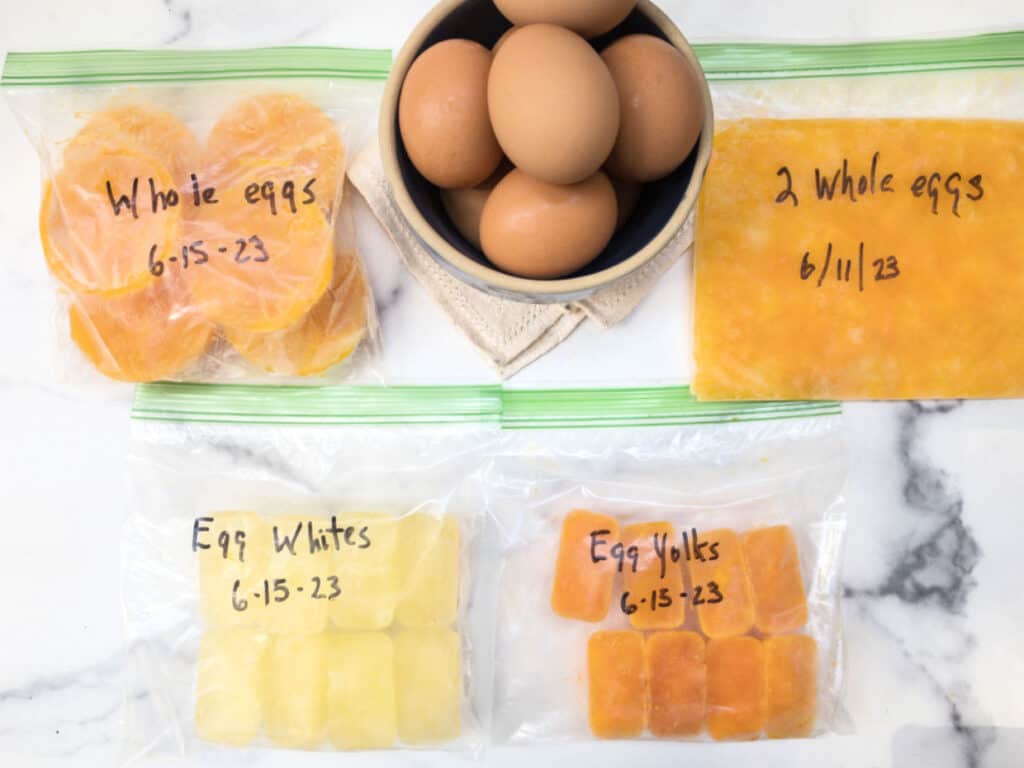
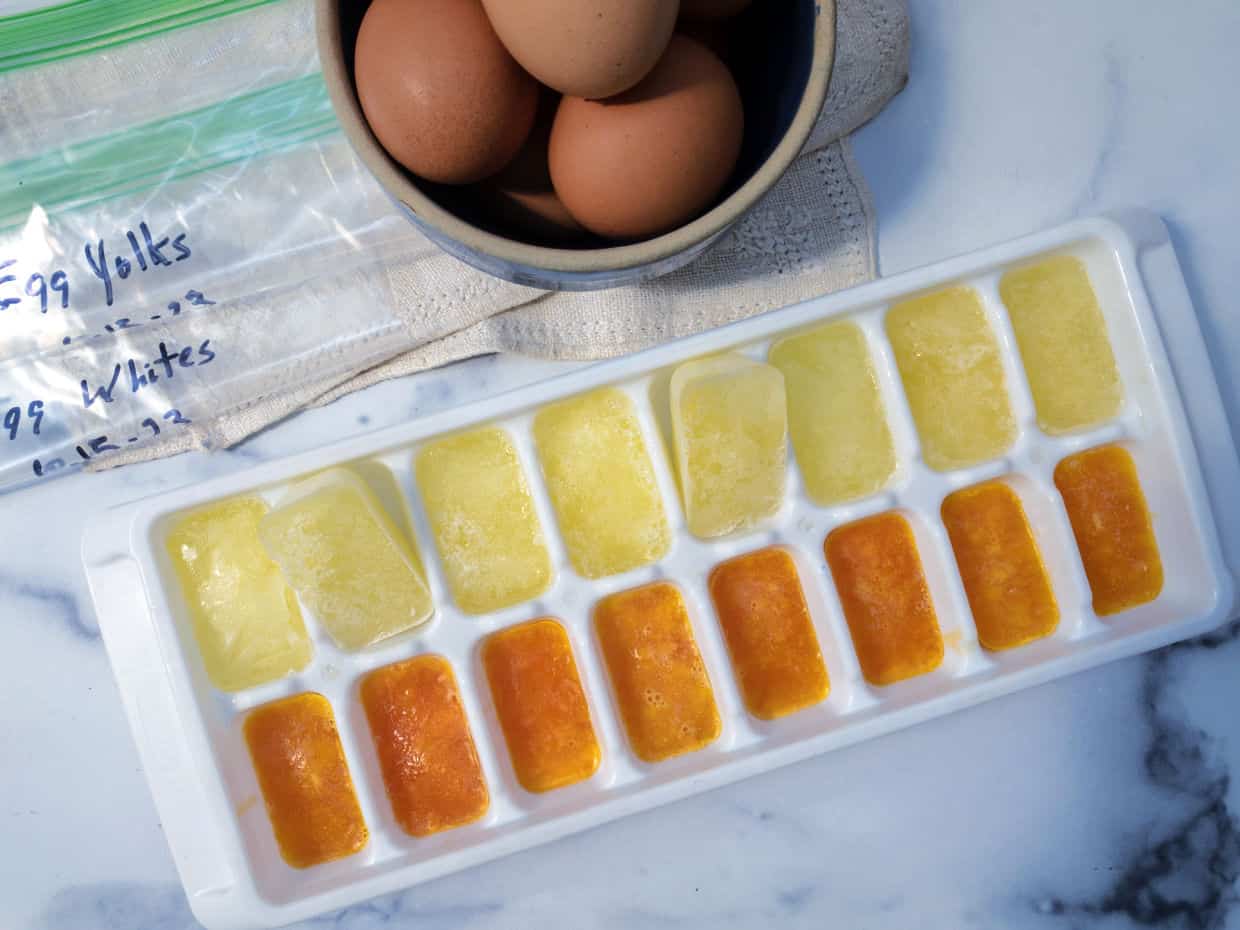
Here are some practical examples of how people commonly freeze eggs. Many home cooks crack all the yolks and whites together, whisk them gently, and pour the mixture into ice cube trays for easy portioning. Once frozen, the egg cubes can be transferred to freezer bags and labeled with the date. Others separate the whites and yolks, which is especially useful for bakers who frequently need one or the other. A single egg typically freezes for about one year without a significant decline in quality, though for best results, consuming them within three to six months is recommended. Some people even freeze eggs in muffin tins for perfect pre-measured portions.
When it comes time to use your frozen eggs, proper thawing makes all the difference. The safest method is to transfer frozen eggs from the freezer to the refrigerator and let them defrost slowly over several hours or overnight. Once thawed, they should be cooked immediately and used within two days. You should never refreeze raw eggs after they have been thawed, as this can compromise their safety and quality. Thawed eggs will not look as fresh as new eggs — they may appear slightly watery or thinner — but they cook and taste perfectly fine in scrambled eggs, omelets, baked goods, quiches, and frittatas.
:max_bytes(150000):strip_icc()/what-to-do-frozen-chicken-eggs-3016570_FINAL1-5bff137646e0fb0051c92a5e.png) What to Do With Frozen Chicken Eggs
What to Do With Frozen Chicken Eggs
Keep a few quick tips in mind to maximize your results: always label your freezer bags with the date, use freezer-safe airtight containers to prevent freezer burn, and never freeze eggs in their original carton (those are meant for the fridge). If you're new to freezing dairy or protein products, start small with a few eggs to get the hang of portioning and thawing. It's also a good idea to write down which dishes worked best with frozen eggs so you can build confidence over time.
In the end, freezing eggs is a smart, safe, and sustainable practice when done correctly. Whether you're a busy parent, a home baker, or someone who simply loves a hearty breakfast, having frozen eggs ready in your freezer offers convenience and peace of mind. It helps reduce waste, saves money, and ensures you always have a nutritious option on hand. With just a little planning and the right technique, you can confidently embrace this often-overlooked kitchen hack and never have to worry about your eggs going bad again.