Is It Safe To Eat A Mcdonalds Burger The Next Day

There’s a particular, almost guilty pleasure in the convenience of a McDonald’s burger. It’s the reliable, familiar taste after a long day, the quick solution when the pantry...
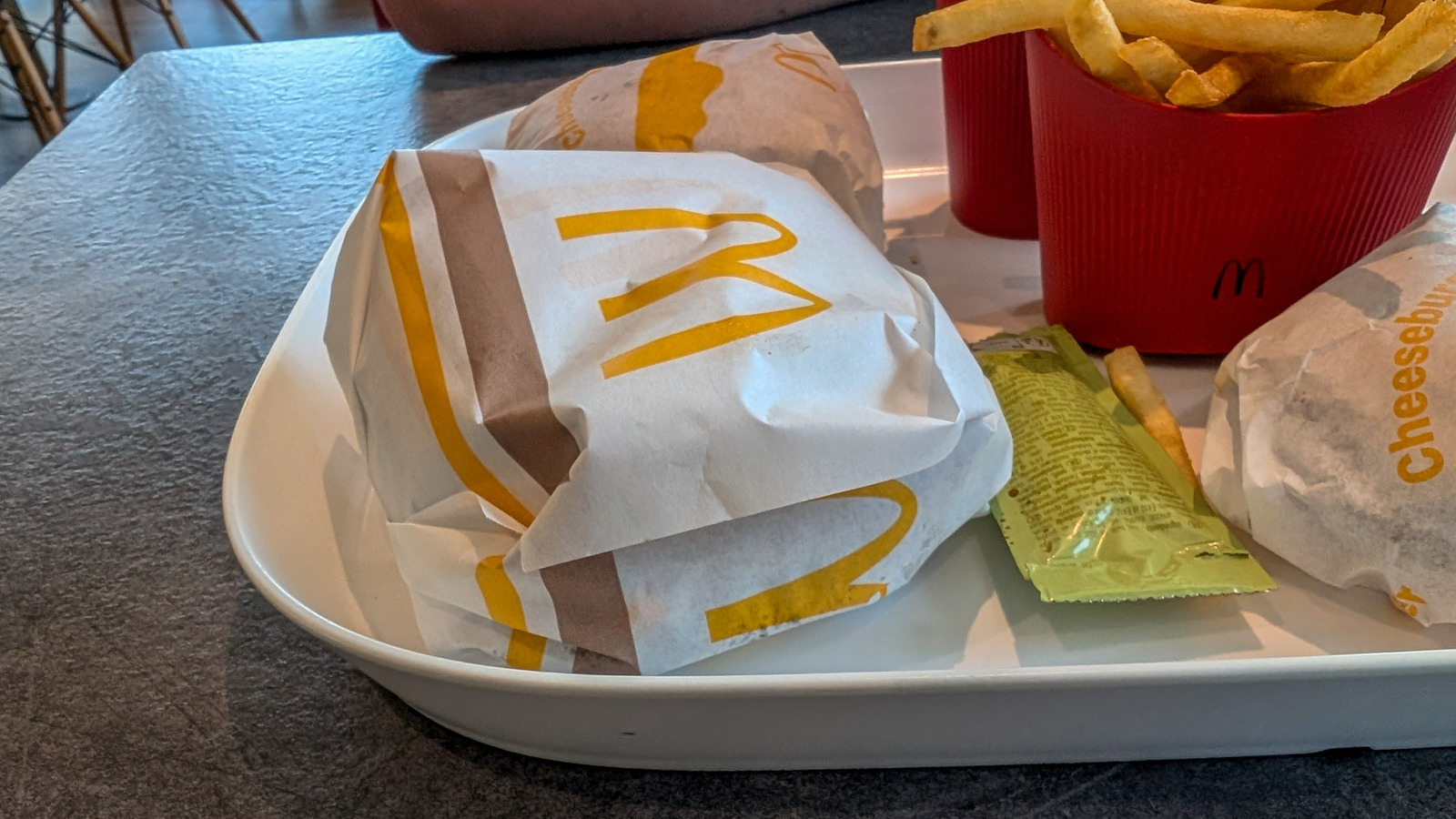
There’s a particular, almost guilty pleasure in the convenience of a McDonald’s burger. It’s the reliable, familiar taste after a long day, the quick solution when the pantry is bare, or the nostalgic treat shared late at night with friends. The key purpose of that fast-food classic isn’t gourmet dining; it’s immediate satisfaction and unpretentious comfort. For millions, it saves time and energy, fitting seamlessly into busy lives. But what happens when that leftover Filet-O-Fish or Quarter Pounder sits in the fridge until the next morning? The question of safety arises, turning a simple leftover into a matter of food science and common sense.
The short answer is that eating a McDonald’s burger the next day can be safe, but it depends entirely on how you handle it between purchase and consumption. The primary risk isn’t the burger itself becoming toxic overnight; it’s the potential growth of bacteria like Staphylococcus aureus or Bacillus cereus. These microorganisms thrive at temperatures between 40°F and 140°F—the so-called "danger zone." If you left your burger on the counter for hours after dinner, the safety window has already closed. Imagine ordering a Big Mac at 9 PM, falling asleep by 10, and finding it still sitting in the bag at 7 AM. In that scenario, the risk is too high to ignore, and the burger should be discarded.
However, for those with foresight, the scenario changes dramatically. If you intentionally save half your burger and refrigerate it within two hours of purchase, the safety profile improves significantly. The cold environment (below 40°F) effectively pauses bacterial growth, not kills it, but keeps it at negligible levels for up to three to four days. This is where the practical benefit of leftover fast food shines: you can stretch one meal into two, saving money and reducing food waste. For instance, a busy parent might buy a Happy Meal for their child, then refrigerate the untouched burger for a quick lunch the next day. As long as the meat, cheese, and lettuce were all kept cold and sealed, it’s a perfectly reasonable and economical move.
Must Read
The texture and quality, of course, will change. A next-day McDonald’s burger is rarely as good as a fresh one. The bun often becomes soggy from the condiments and moisture, and the lettuce wilts into a sad, limp shadow of its former self. The crispy patty loses its sear, becoming soft and chewy. This isn’t a safety issue—it’s a quality issue. Some people actually prefer this altered texture, finding the softened bun easier to eat or the melded flavors more uniform. But for the purist, reheating is the key. A quick 15-second burst in the microwave will revive some warmth, but for better results, use a dry skillet or an air fryer to re-crisp the patty while toasting the bun separately.
A crucial detail to evaluate is the toppings. While the beef patty and cheese are relatively safe when chilled, the fresh produce poses a higher risk. Lettuce, tomato, and onions have high moisture content and can harbor bacteria like Listeria or Salmonella. If your burger has been sitting for more than two hours at room temperature, these toppings become a prime breeding ground. The safest approach, if you plan to keep a burger overnight, is to ask for condiments and fresh veggies on the side. This allows you to add them fresh the next day, or simply skip them altogether. A plain burger with only cheese and meat is much more resilient to overnight storage than a fully loaded McChicken.
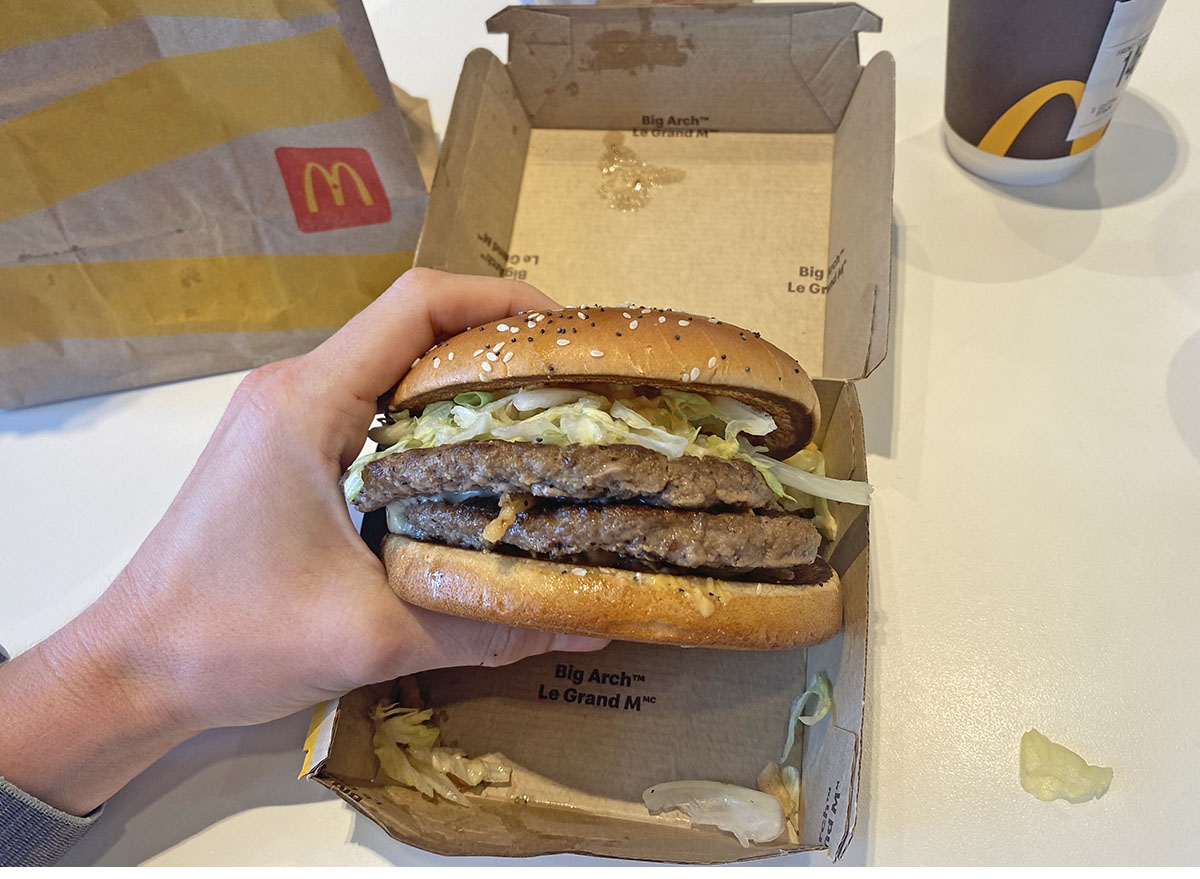 McDonald's New Big Arch Burger, Tasted & Reviewed in 2024
For those eager to explore leftover fast food safely, here are a few simple tips. First, separate the burger from the wrapper and place it in a clean, airtight container before refrigerating. This prevents it from absorbing fridge odors and reduces moisture loss. Second, label the container with the date and time—if you can’t remember when you bought it, it’s better to throw it out. Third, trust your senses: if the burger smells sour, feels slimy, or the bun shows any mold, discard it immediately. No amount of reheating can fix spoiled food. Finally, reheat thoroughly to 165°F (use a food thermometer if you have one) to kill any surface bacteria that may have developed during storage.
In conclusion, the answer is nuanced but reassuring for most casual leftover enthusiasts. Enjoying a McDonald’s burger the next day is safe when proper refrigeration happens promptly and the food is inspected before reheating. It’s a practical way to reduce waste and save a few dollars, especially for those who plan ahead. The key takeaway is simple: respect the two-hour rule—both for cooling and for consumption after refrigeration. With that in mind, you can confidently pull that cold, slightly sad-looking burger from the fridge, knowing that your health isn’t the price of convenience. Just don’t expect it to taste like it came straight off the grill.
