Is It Illegal To Sell Expired Food

So, you’re standing in the grocery aisle, and you spot a box of crackers with a date that’s two weeks past. Your brain screams, “Illegal! Poison!” But is that actually true? L...
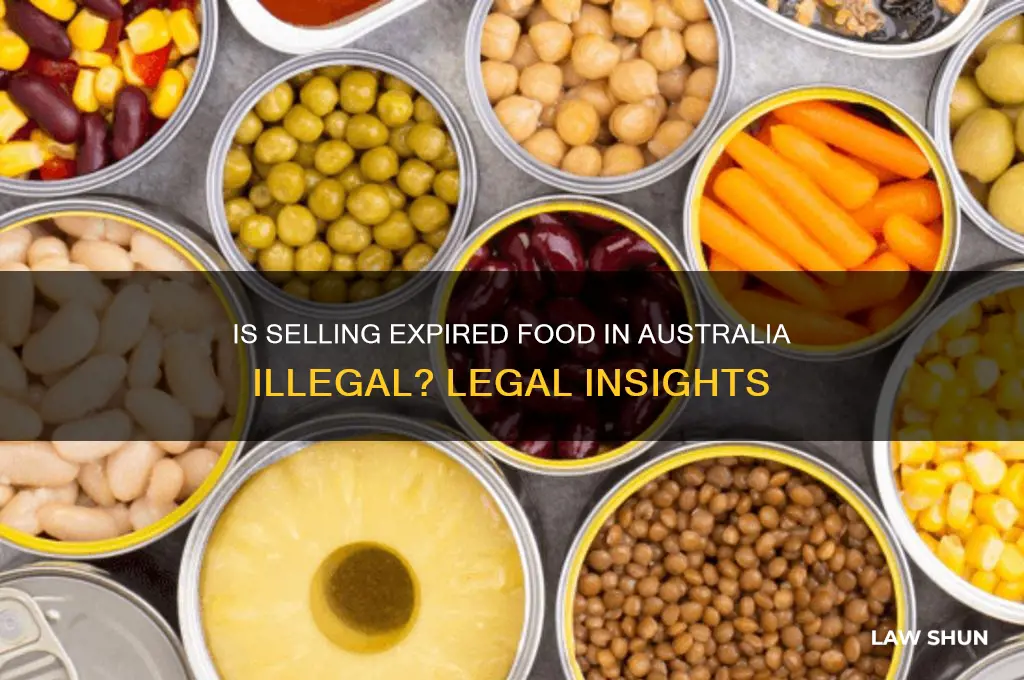
So, you’re standing in the grocery aisle, and you spot a box of crackers with a date that’s two weeks past. Your brain screams, “Illegal! Poison!” But is that actually true? Let’s chill for a second and dig into the weird, wonderful world of expired food laws—it’s more relaxed than you think.
The Big, Misunderstood Date
First, let’s bust a huge myth: “Sell by” and “Best by” dates have almost nothing to do with safety. They’re mostly about quality, not poison.
Think of it like a movie recommendation. “Best by” just means the popcorn will be at its peak crunchiness before that date. After? It’s still edible, just a little stale.
Must Read
So, selling a slightly stale cracker isn’t automatically a crime. It’s more of a flavor issue than a legal one.
The Legal Gray Zone (It’s Spacious)
Here’s where it gets really interesting: in the United States, there is no federal law banning the sale of expired food. Shocked? I was too.
The FDA basically says, “Hey, use your best judgment.” They focus on adulterated or unsafe food, not a date on a sticker. It’s like how your library doesn’t ban you for returning a book a week late—it’s just a little awkward.
But states can be different. Some states, like New York, have specific rules about certain dairy or baby foods. Others? They shrug and let stores decide.
Why Stores Toss It Anyway (Even If It’s Legal)
So if it’s generally legal, why do supermarkets throw out tons of perfectly good food every night? The answer is liability and image.
They’re terrified of a lawsuit if someone eats a questionable yogurt. It’s easier to toss it than to defend “Well, technically the law says…”. Imagine a fancy restaurant serving a wilted salad—it’s legal, but bad for business.
Plus, consumers expect fresh everything. Selling past-date items feels sketchy, even when it’s fine. It’s like wearing socks with sandals: technically allowed, but people will judge you.
The Cool Exception: Discount Grocers and “Misfits”
Here’s the fun part: some stores make expired food their whole vibe. Ever been to a discount grocery store that sells dented cans and past-due chips?
They rely on the “merchantability” loophole. They slap a “AS IS” or “For consumption at your own risk” sign on the shelf, and boom—it’s legal. It’s like buying a scratched CD from a garage sale: you know it might skip, but the price is right.
You can also find “rescue” apps like Too Good To Go that sell surprise bags of near-expired food. It’s a legal, eco-friendly treasure hunt. Talk about a cool hack!
When It Actually Gets Illegal (Don’t Do This)
Let’s be real: there’s a line, and it’s drawn with a giant red marker. Selling food that is rotting, moldy, or infested is absolutely illegal.
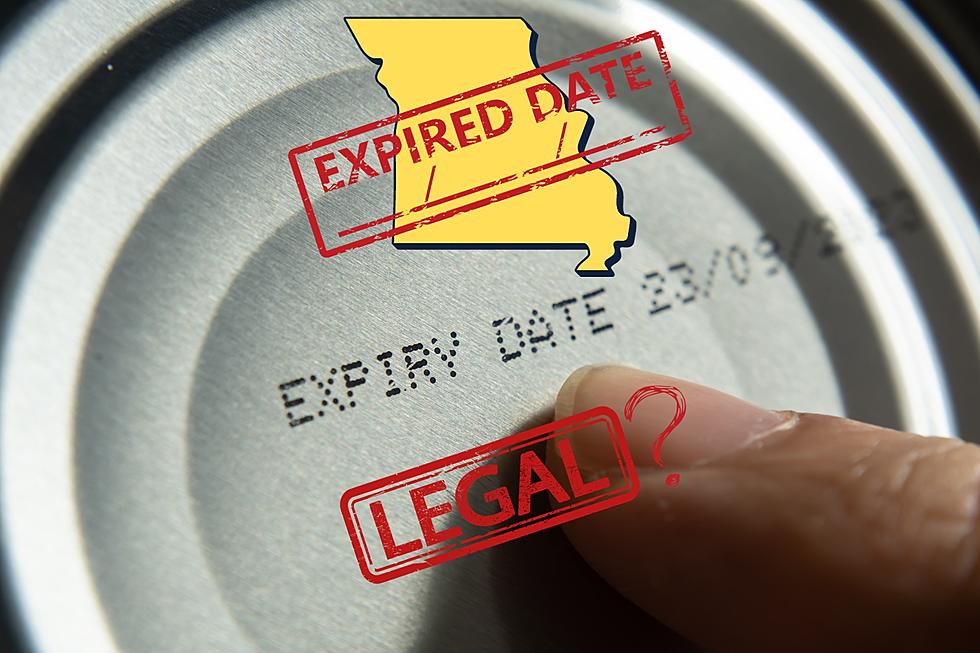 Is It Really Legal for Missouri Stores to Sell Expired Food?
That’s because it’s not “expired”—it’s adulterated. The law protects you from meat that smells like a science experiment or milk that looks like cottage cheese. That’s a public health issue, not a date stamp.
Think of it like a car: driving with a cracked taillight is legal. Driving with no brakes? That’s illegal. Same logic applies to your pantry.
The European Twist (A Fun Comparison)
Want to feel jealous? In some European countries, like France and the UK, they legally encourage selling expired food through massive food waste laws.
Supermarkets are banned from throwing away unsold food—they must donate it or sell it at a discount. It’s like the law is begging you to eat that discounted bread. Meanwhile, in the U.S., we treat expired food like a crime scene.
So next time you see a bin of marked-down bananas with brown spots, remember: in Paris, that’s practically a delicacy.
How to Be a Smart (and Chill) Consumer
Here’s the bottom line: don’t be scared of a date. Use your nose, eyes, and common sense. If milk smells fine and isn’t lumpy, it’s probably good—even if the carton says “sell by” yesterday.
Stores like Trader Joe’s and some salvage grocery chains sell past-date items legally, often with clear labels. You’re basically getting a discount for being brave.
So, is it illegal to sell expired food? Mostly no, especially if it’s just a quality issue. But always yes if it’s dangerous. It’s not a crime to eat yesterday’s bread, but a lawsuit over moldy meat is a whole different story.
Fun Fact to Impress Your Friends
Baby formula is the one exception in the U.S. It’s the only food with a federally regulated expiration date. Selling expired formula is actually illegal.
Why? Because nutrients degrade over time, and for babies, that’s a big deal. For adults? Eh, you’ll survive that stale pretzel.
So go forth, check your fridge, and don’t be a zombie about dates. The law is on your side—as long as you’re not eating science experiments. Stay curious, stay hungry, and keep it legal.
