Is It Bad To Sleep With Sea Salt Spray In Hair

There’s something undeniably carefree about the idea of rolling out of bed with effortless, beachy waves. For many of us, sea salt spray is that little bottle of magic that pr...

There’s something undeniably carefree about the idea of rolling out of bed with effortless, beachy waves. For many of us, sea salt spray is that little bottle of magic that promises texture, volume, and that “I just stepped off the sand” look—without the actual sand in your sheets. It’s a beloved staple for anyone who wants to add grit to fine hair, coax curls into looser shapes, or simply ditch the flat iron for a more natural vibe. Whether you’re a surfer chasing the real deal, a busy parent craving a low-maintenance style, or a night-shift worker who wants to wake up looking put-together, sleeping with sea salt spray in your hair feels like a cheat code for effortless beauty.
But here’s the real question: Is it actually bad for your hair to sleep with it in? The short answer is that it depends on your hair type, how much you use, and your nighttime routine. Sea salt spray works by depositing salt and minerals onto the hair shaft, which absorb some of the natural moisture and create that desirable texture. While that’s great for a day at the beach, leaving it on overnight can lead to dryness and brittleness, especially if you have fine, color-treated, or already dry hair. The salt can also cause tangles and knots as you toss and turn, meaning you might wake up to a snarled mess rather than effortless waves.
If you have naturally oily or coarse hair, however, you might actually enjoy the results. Coarser strands can handle the drying effect better, and the extra grit can help hold curls or waves longer. Some people with thick, wavy hair find that sleeping with sea salt spray helps their texture “set” overnight, reducing frizz by morning. The key is knowing your own hair’s limits—if your ends already feel straw-like, it’s a red flag. A good rule of thumb is to use a lightweight, hydrating sea salt formula (many brands now add aloe or coconut oil) and apply it sparingly, focusing on the mid-lengths and ends rather than the scalp.
Must Read
For those of you who want to try the overnight method, a few simple tweaks can make all the difference. First, apply the spray to slightly damp hair, not soaking wet—this allows the salt to work without overwhelming your strands. Next, twist your hair into loose braids or buns before hitting the pillow; this prevents tangling and encourages soft waves instead of chaotic crunch. Finally, consider spritzing a leave-in conditioner or a tiny bit of argan oil onto your ends right after the salt spray. That little buffer can save you from waking up with straw-like tips, while still giving you that tousled texture you crave.
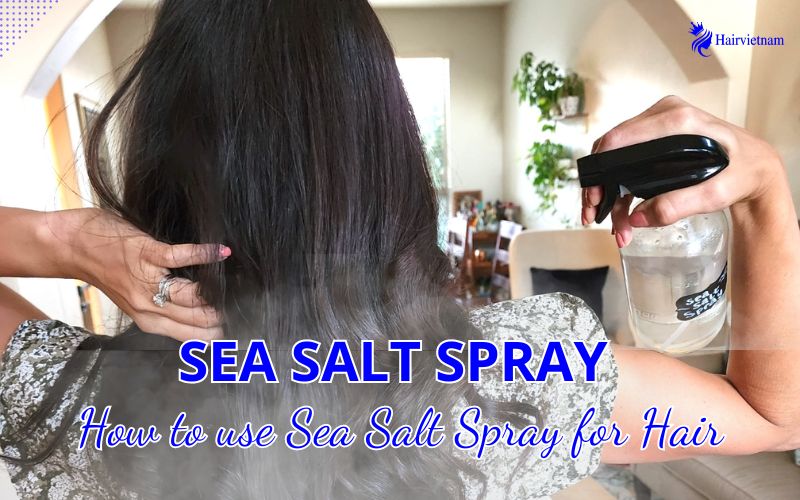 The Benefits of Sea Salt Hair Spray: What Does It Do?
Alternatively, you might find it more practical to rinse the spray out before bed and reapply in the morning. Many people sleep with just a dry shampoo or a light mousse instead, then refresh with sea salt spray after their morning shower. This approach preserves your hair’s moisture balance and avoids the dreaded “crunch” that can happen when salt spray dries fully overnight. If you’re a side-sleeper, a silk pillowcase is a game-changer—it reduces friction and keeps your strands smoother, whether you’ve got product in or not.
In the end, sleeping with sea salt spray isn’t a universal “bad” or “good”—it’s a tool that works best when you use it wisely. If your hair feels happy and bouncy the next day, go for it. If you wake up with a haystack on your head, it’s time to adjust. Listen to your hair, play with application methods, and remember that the beachy look should feel good, not damaged. A little salt, a little water, and a whole lot of self-awareness will keep your waves looking effortlessly cool—without the morning regret.
