Is It Bad To Flush Tampons Down The Toilet

Let’s be real for a second. You’re in a rush, you’ve just finished your period business, and that little cardboard applicator is staring at you from the toilet paper roll. It’...
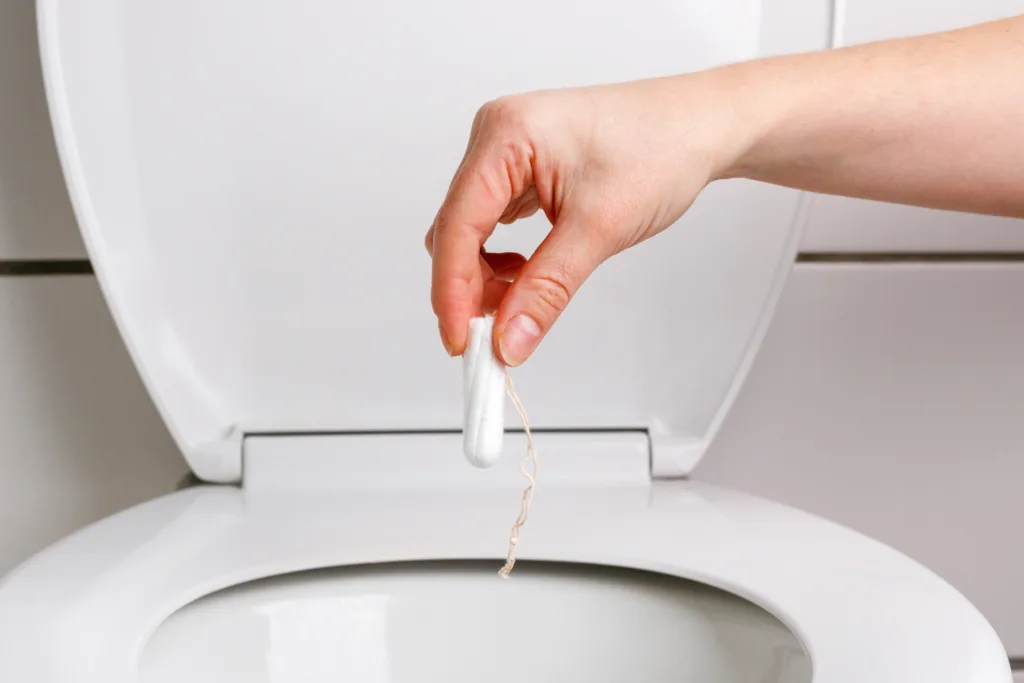
Let’s be real for a second. You’re in a rush, you’ve just finished your period business, and that little cardboard applicator is staring at you from the toilet paper roll. It’s so tempting to just drop everything in the bowl and let the flush do the dirty work, right? I mean, it’s water. It goes down, it disappears—job done. But hold up. Is that really a good idea, or are we just making a huge mess for someone else?
The Great Plumbing Power Struggle
Think of your toilet as a very picky diva. It knows how to handle pee, poop, and toilet paper. That’s its jam. But a tampon? That’s like asking a goldfish to swallow a bowling ball. Tampons are designed to absorb liquid and expand. Toilet paper is designed to fall apart. See the difference?
So when you flush a tampon, it doesn’t magically dissolve like a snowflake. Instead, it gets bigger, soggier, and turns into a stubborn little blob that loves to cling to pipes. It’s basically the uninvited guest at the plumbing party. Suddenly, your toilet starts gurgling like it’s having a bad dream, and you’re reaching for the plunger.
Must Read
The Not-So-Fun Sewer Monster
But wait—it gets even more interesting once that tampon leaves your house. Out in the big, wide sewer system, tampons meet up with other tampons, wet wipes, and cooking grease. They form something that scientists call fatbergs. Gross name, right? These are giant, concrete-like masses that block entire city sewers.
Imagine a traffic jam made of human waste and cotton. Local water utilities spend millions of dollars every year just to break these monsters apart. And who do you think pays for that? You do, through your water bill. Flushing one tampon might feel like nothing, but multiply that by millions of people, and you’ve got a very expensive, very stinky problem.
The Wildlife Side-Effect (A Real Plot Twist)
Here’s a wild thought: where does your flush water actually go? After treatment, it often ends up in rivers, lakes, or the ocean. And guess what doesn’t get filtered out completely? You got it—tampons and their plastic applicators. Marine animals, like sea turtles and fish, mistake them for food. That’s a serious bummer.
Think of it like dropping a plastic straw into the ocean. It’s small, but it causes big chaos. The cotton and rayon in tampons break down super slowly—sometimes taking years. So that one flush isn’t just a “wow, gone” moment. It’s a “wow, I just sent a tiny litter bomb into the ecosystem” moment. Not so chill.
So, What’s the Better Move?
Okay, so we’ve established that flushing tampons is a bad idea. But what’s a stressed-out human to do? The answer is beautifully simple: the trash can. Yes, really. Just wrap that used tampon in a little toilet paper or a disposal bag, and toss it in the bin. It’s not glamorous, but it is the most effective solution.
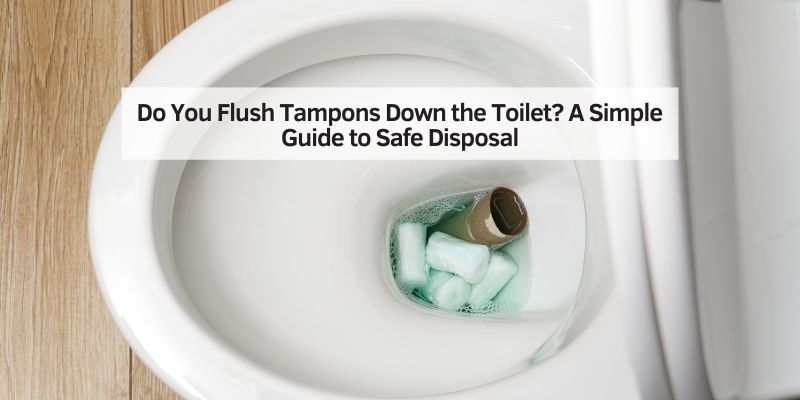 Do You Flush Tampons Down the Toilet? A Simple Guide to Safe Disposal
In many countries, like the UK and Australia, women have been doing this for decades. It’s normal. You can even get cute little sanitary disposal bags that smell like lavender. Suddenly, your bathroom bin becomes the hero of the story. Plus, your toilet will never give you that scary gurgle of betrayal again.
But What About “Flushable” Products?
You might have seen “flushable” wipes or eco-tampons at the store. Don’t fall for the marketing magic. Even if a product says “flushable,” it often takes forever to break down. Many of these items still clog pipes and create fatbergs. The only things that should go down your toilet are the three P’s: pee, poo, and paper.
It’s like buying a “waterproof” phone that’s only waterproof in a drizzle. The label is optimistic, but the reality is sticky. When in doubt, just treat your tampon like a tiny, absorbent pet that needs to go in the trash. Your pipes, your wallet, and the ocean will all send you a thank-you note.
The Bottom Line (Literally)
Look, life is complicated enough without worrying about where your tampon goes. But this is one of those rare, easy fixes. By simply changing one tiny habit—tossing it in the bin instead of the bowl—you save yourself a lot of potential plumber drama. It’s a small shift with a huge payoff.
So next time you’re about to flush, pause for one second. Ask yourself: “Do I really want to risk a fatberg-sized headache?” Probably not. Your toilet is not a magic portal to nothingness; it’s a delicate piece of engineering that works best when you play by its simple rules. Be kind to it, and it will be kind to you.
And hey, if you ever feel bad about putting a tampon in the trash, just remember: it’s way cooler than being the person who caused a $500 plumbing bill. Trust me. Your future self—and your local water treatment workers—will thank you.
