Is Iodized Salt Better Than Regular Salt

There’s something oddly satisfying about reaching for the salt shaker, isn’t there? A pinch of salt can transform a bland meal into something memorable, and the debate over wh...
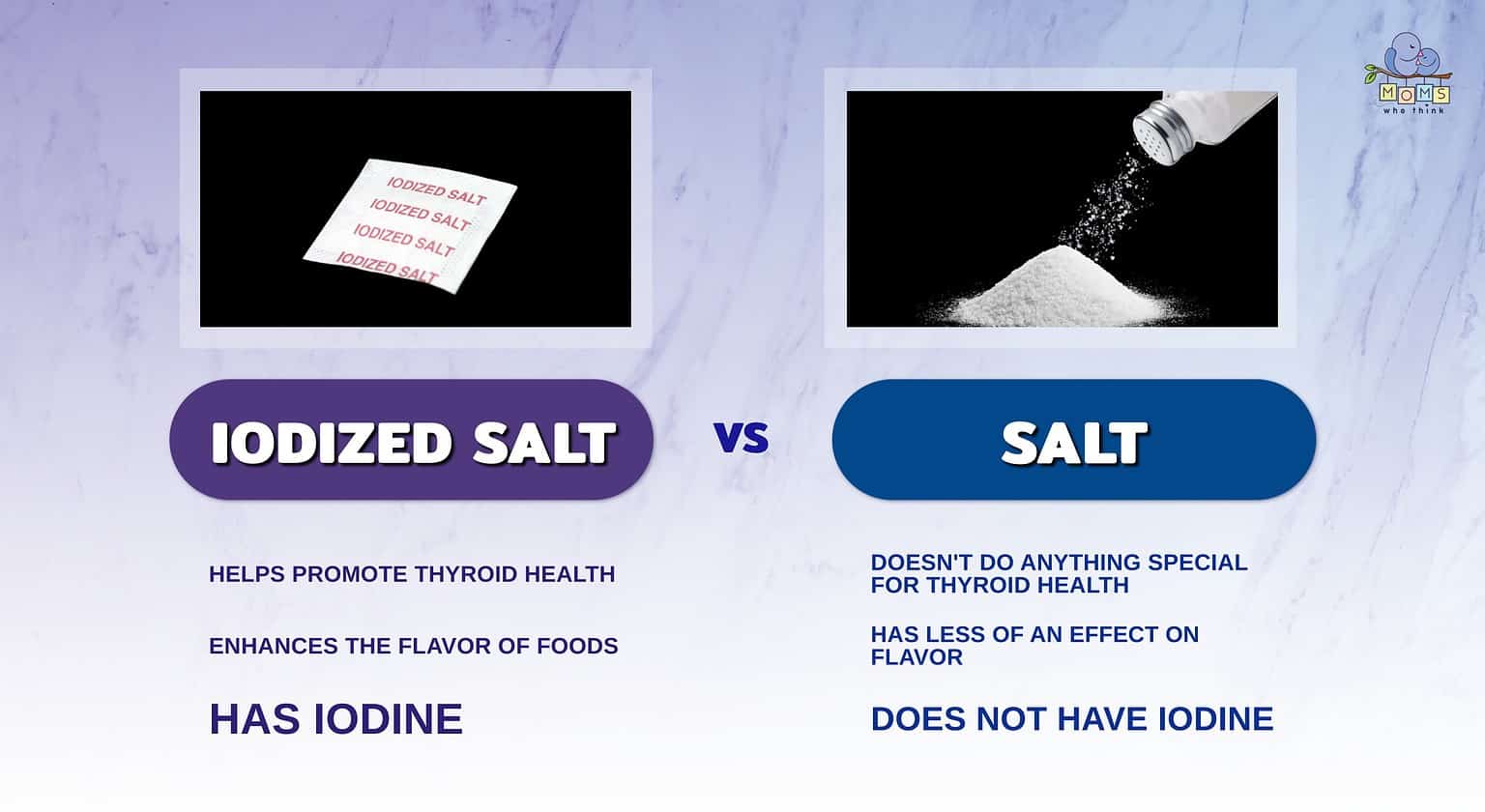
There’s something oddly satisfying about reaching for the salt shaker, isn’t there? A pinch of salt can transform a bland meal into something memorable, and the debate over which type to use—iodized or regular—is a surprisingly practical and even enjoyable topic to explore. It’s not just about flavor; it’s about tiny, invisible health choices we make every day. Whether you’re a home cook, a health enthusiast, or someone just trying to add a little zest to life, understanding this simple difference can bring real benefits, from better thyroid function to tastier dishes.
The main purpose of iodized salt is simple: to prevent iodine deficiency. Iodine is a crucial mineral that our thyroid gland needs to produce hormones that regulate metabolism, growth, and brain development. Think of it as the gas pedal for your body’s engine. Regular salt—often just pure sodium chloride—contains no added iodine. For most people, especially those who don’t eat much seafood or dairy, iodized salt is the easiest way to get this essential nutrient. For example, pregnant women and growing children benefit enormously from iodine, as it supports healthy fetal brain development and childhood cognition.
But does that mean regular salt is bad? Not at all. Many gourmet chefs and home bakers swear by regular salt—like kosher salt or sea salt—for its pure, clean flavor and distinct texture. Iodized salt can sometimes carry a faint, slightly metallic aftertaste, which is why some people avoid it in delicate recipes like mayonnaise or brine for pickles. Common variations you’ll see include Himalayan pink salt, which gets its color from trace minerals, and sea salt flakes, prized for their crunchy, finishing touch on a steak or chocolate chip cookie. So, neither is “better” in a vacuum; it depends on what you’re cooking and why.
Must Read
The best approach is a practical, balanced one. For everyday cooking—soup, pasta water, roasted vegetables—iodized salt is a perfectly good choice and a simple way to keep your thyroid happy. For finishing dishes, baking, or any recipe where salt’s texture or subtle flavor matters, reach for regular salt. Here’s a simple tip: keep two salts in your kitchen. One shaker of iodized salt for daily use, and a bowl of kosher or sea salt near your stove for controlled pinching. This way, you get the health benefit without sacrificing taste.
For those wanting to make the most of it, start by checking your household’s diet. If you eat plenty of seaweed, fish, eggs, and dairy, you might already get enough iodine. But if your meals lean toward processed foods or plant-based options, iodized salt becomes a smart, effortless insurance. Another actionable tip: when shopping, look for the label “iodized” on the front. A single teaspoon of iodized salt contains about 70% of the daily recommended iodine intake, making it a no-brainer for most families.
 Iodized Salt Vs Noniodized Salt Dr Weil
Finally, remember that salt is salt when it comes to its core job: enhancing flavor. The choice between iodized and regular is a small, personal one that doesn’t need to cause stress. You can even mix them—use iodized for boiling potatoes, then finish with a sprinkle of flaky sea salt for crunch. The key is to enjoy the process and feel confident that whichever you pick, you’re making a delicious and informed decision. After all, a pinch of awareness goes a long way in the kitchen.
So, is iodized salt better than regular? It’s not a winner-take-all debate. For thyroid health and everyday nutrition, iodized has a clear edge. For texture, purity, and gourmet cooking, regular salt shines. The real winner is you, when you understand the trade-offs and choose what fits your plate and your life. Now go sprinkle with confidence—your taste buds and your body will thank you.
