Is Ice Cream Melting A Chemical Or Physical Change

Welcome, curious minds and science skeptics! If you’ve ever stood in the summer sun, watching a perfect scoop of mint chocolate chip slowly surrender to a puddle on your cone,...
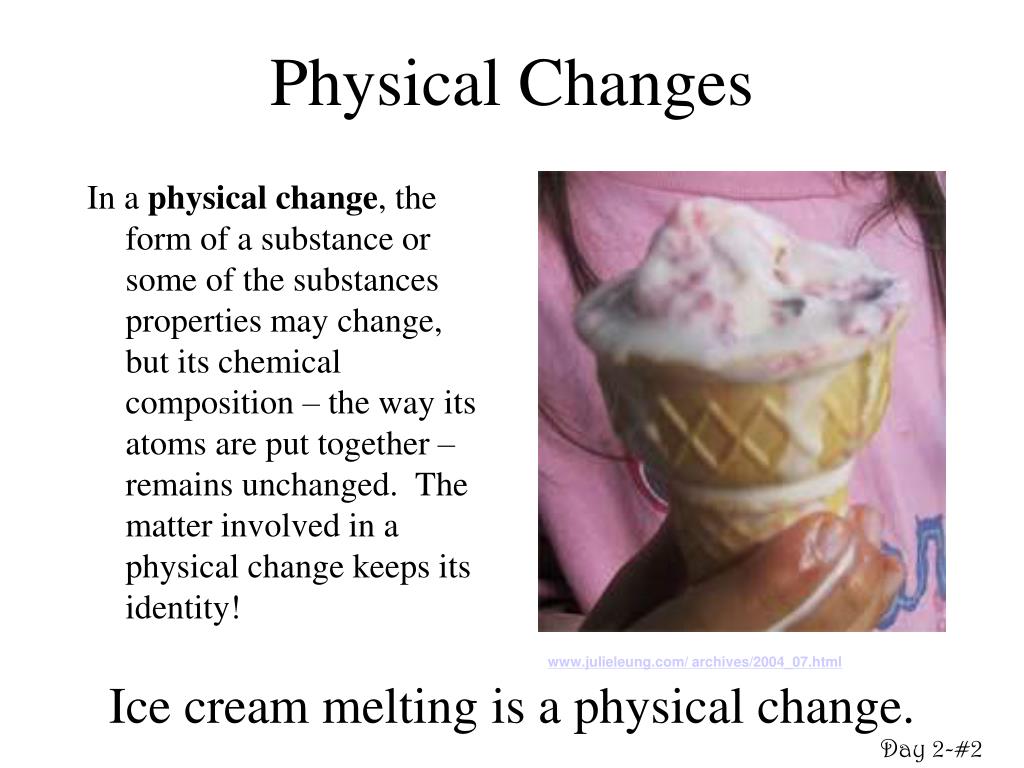
Welcome, curious minds and science skeptics! If you’ve ever stood in the summer sun, watching a perfect scoop of mint chocolate chip slowly surrender to a puddle on your cone, you’ve faced a delicious dilemma: is this meltdown a chemical or a physical change? It sounds like a stuffy textbook question, but trust me—it’s a fun and tasty way to sharpen your everyday science skills. Understanding the difference helps you predict what happens to other things around you, from butter in a hot pan to the rust on a bicycle. Plus, you’ll sound like a genius at your next ice cream party when you can explain why the puddle is still, scientifically, ice cream.
So, let’s get to the scoop: melting ice cream is a physical change, not a chemical one. Why? Because the molecules of sugar, fat, and water don’t get rearranged into new substances. They just change their state—from a solid-ish semi-frozen goo to a liquid goo. Think of it like this: a chocolate bar that melts in your pocket is still chocolate, just warmer and messier. Similarly, melted ice cream is still ice cream. You can refreeze it (though the texture gets icy and sad) and it won’t suddenly become something else, like salad dressing or custard. The magic is that the composition remains identical—only the temperature and energy levels change. This is a classic example of phase change, just like water freezing into ice or boiling into steam.
To make this concept stick, let’s play with a few creative examples. Imagine you’re a mad scientist in a kitchen lab. If you burn a marshmallow over a campfire, that’s chemical—the sugars break down into carbon and smoke, and you can’t undo the blackened lump. But if you simply melt a marshmallow, it’s physical; it stretches and softens, but it’s still sugar and gelatin. Now apply that to ice cream: if you left a scoop out for a week and it turned into a moldy, sour mess, that would be a chemical change because bacteria did their thing. But a normal melt? Just a state transition. Another fun test: think of whip cream. Whipping cream is physical (you’re trapping air into the liquid fats). But if you whip it too long and it turns into butter, that’s mostly physical, though a tiny bit of chemical change happens from oxidation. For ice cream, the melt is pure physical—like magic, but the kind you can taste.
Must Read
Here’s a surprising twist: while melting is physical, the making of ice cream involves both! When you churn the base, you’re physically incorporating air (which is why it’s so fluffy). But the process of freezing is physical too—just rearranging water molecules into crystals. However, when you add vanilla extract or fruit, you might get chemical reactions from acids or enzymes (like when lemon curdles milk). So the next time you see a drip, you can confidently say, “That’s a physical change—no new substances formed, just a good excuse to lick the bowl.” It’s a fun party trick to explain why melted ice cream still has the same calories, by the way!
Now, for some practical advice if you want to experiment with this idea at home. First, grab two bowls. Put a scoop of ice cream in one and leave it to melt. In the second, freeze a cup of water, then let it melt too. Compare the puddles—note that the water returns to its original state (clear liquid), while the ice cream doesn’t separate back into cream, sugar, and vanilla. That’s because ice cream is an emulsion—a physical mix held together by fat and air. When it melts, the emulsion breaks physically, not chemically. To test further, refreeze the melted ice cream overnight. It will become icy and grainy because the water and fat separate; that’s a physical change too, just a sad one. Pro tip: to minimize that graininess, stir the melted ice cream before refreezing, but never microwave it—that’s a fast track to a chemical mess of burnt sugar and cooked proteins!
 PPT - Chemical and Physical Changes PowerPoint Presentation - ID:1882249
Another handy tip for science-loving dessert fans: use a thermometer to observe the melting point. Ice cream melts around 32°F (0°C) to 38°F, depending on air content and fat. If you warm it above 160°F, you might trigger Maillard reactions (a chemical browning of proteins and sugars), which is what happens when you make a fried ice cream—that’s a whole different science experiment. For everyday melting, keep it cool—literally. If you’re at a party and someone leaves a bowl out, you can use the physical vs. chemical rule to predict how long it will stay “ice cream” (a physical state) before becoming “ice cream soup” (another physical state). And if you accidentally freeze it back, just stir it into a milkshake. No chemical loss, only win.
Finally, here’s the big takeaway: understanding that melting is physical gives you a superpower in everyday cooking and science class. You’ll know that you can always recover the original substance through cooling, while chemical changes (like toasting bread) are permanent. So next time you see a melting cone, smile. It’s not a chemical disaster—it’s a delicious demonstration of physics and thermodynamics. Go grab a spoon, enjoy the liquid gold, and remember: science is sweetest when you can eat it. Now, if you’ll excuse me, I have a puddle of rocky road to investigate. Cheers to physical changes that make life a little softer!

